
Škoda-Transtech Acquisition: Shaping Finland’s Rail Future
Škoda’s acquisition of Transtech: a masterclass in strategic expansion within the European rail market. Discover how this merger boosted growth and reshaped the industry!
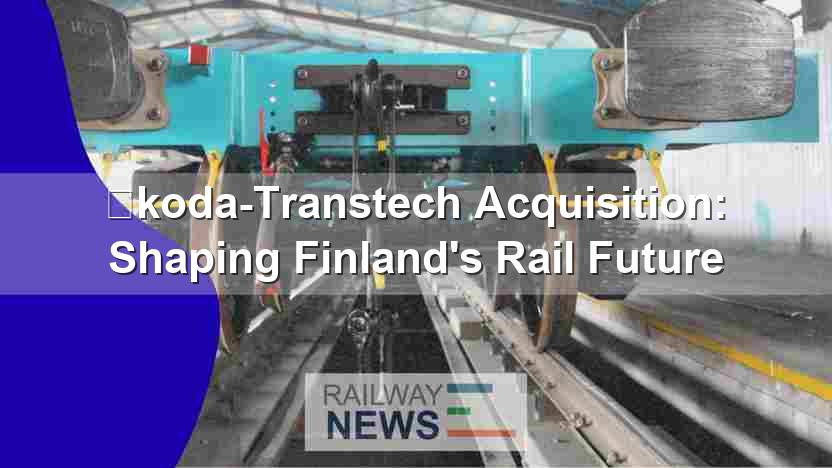
This article analyzes the strategic implications of Škoda Transportation Group’s (Škoda) complete acquisition of Transtech, a Finnish rolling stock manufacturer. The acquisition, finalized in May 2018, saw Škoda acquire the remaining 25% stake from Sinituote Oy, making it the sole owner. This move is significant, not only for the companies involved but also for the broader context of the European railway industry. The acquisition represents a consolidation of market power, a strategic expansion into Western Europe, and a testament to Škoda’s commitment to growth and international competitiveness. We will examine the rationale behind the acquisition, the benefits for both companies, and the potential long-term impacts on the European rail landscape. The analysis will also consider the restructuring efforts undertaken by Škoda post-acquisition and the positive impact on Transtech’s operations and workforce.
Škoda’s Expansion into Western Europe
Škoda’s acquisition of Transtech reflects a broader strategic objective: to strengthen its market position in Western Europe. By acquiring a well-established manufacturer with a strong presence in Finland, Škoda gains access to a new market and expands its reach beyond its traditional Central European base. This strategic move allows Škoda to diversify its customer base, mitigate risks associated with reliance on a single regional market, and tap into the growth opportunities presented by the Finnish and broader Western European rail sectors. The acquisition positions Škoda to compete more effectively with other major European rolling stock manufacturers, enhancing its global competitiveness.
Restructuring and Stabilization of Transtech
Following the initial majority stake acquisition in 2015, Škoda embarked on a restructuring process aimed at stabilizing Transtech’s operations. This involved streamlining processes, optimizing production, and potentially modernizing its manufacturing facilities. The results, as reported by Škoda executives, demonstrate a successful turnaround. The increase in employee numbers from 500 to 750 indicates growth and investment in the workforce. Securement of new orders for trams in Helsinki and Tampere, and rail cars for Finnish Railways (VR), clearly demonstrates a return to profitability and market confidence.
Synergies and Enhanced Product Portfolio
The integration of Transtech into the Škoda group creates significant synergies. Transtech’s expertise in manufacturing low-floor trams and other rolling stock complements Škoda’s existing product portfolio. This allows for cross-selling opportunities and the potential development of new, innovative rail solutions. The combined entity can offer a wider range of products and services to customers, increasing its competitiveness and attractiveness in bidding for large-scale railway projects. Additionally, access to Transtech’s established supply chains and relationships within the Finnish market provides Škoda with a valuable foothold in the region.
Long-Term Implications and Conclusion
Škoda’s acquisition of Transtech represents a significant development in the European rail industry. The acquisition has demonstrably strengthened Škoda’s position in the Western European market, providing access to new customers and opportunities. The successful restructuring and stabilization of Transtech, evidenced by increased employment and new orders, highlight the positive impact of Škoda’s management. The synergies between the two companies promise further growth and innovation. By combining their expertise and resources, Škoda and Transtech are better positioned to compete effectively in the increasingly competitive global rail market. The acquisition serves as a case study demonstrating the strategic benefits of targeted acquisitions in consolidating market share and expanding into new geographic territories. The long-term success of this merger will depend on the continued integration of operations, the maintenance of strong relationships with customers, and the ability to adapt to the evolving needs of the European rail sector. The acquisition is, therefore, not just a financial transaction but a strategic investment with far-reaching implications for the future of both companies and the European railway landscape. This successful integration provides a blueprint for other players in the industry looking to consolidate their position in a globally competitive market.

Railway infrastructure, rolling stock and transport technologies specialist focused on global rail industry developments, high-speed rail systems, signaling technologies and freight transportation. Covering railway investments, public transport modernization, rail operations and international mobility projects across Europe, Asia and North America.
RELATED POSTS

October 8, 2026 1:15 pm
Alstom secured a €1bn contract to build 13 automated trains,...

October 1, 2026 7:09 am
United States regulators confirmed a September 30 deadline for the...

October 8, 2026 12:18 pm
Siemens Mobility signed an agreement with VinSpeed to supply 350...

October 4, 2026 5:14 pm
Alstom secured a CA$4.7 billion order from VIA Rail Canada...

October 5, 2026 6:12 pm
AECOM and Jacobs secured a contract in September 2026 to...

October 1, 2026 12:13 am
Illinois approved $1.5 billion annually for the Northern Illinois Transit...