
Sitav’s Hydrogen Locomotive: Italy’s Rail Decarbonization Milestone
Sitav’s hydrogen locomotive prototype showcases a modular design enabling flexibility in retrofitting existing rolling stock while enhancing operational efficiency through energy recovery during braking, making it a versatile tool for modernizing rail transport towards sustainability.
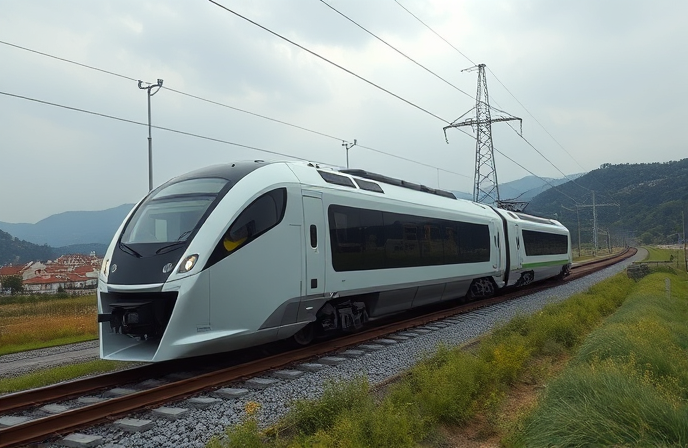
Sitav Unveils Hydrogen Locomotive Prototype, Marking a Milestone in Rail Decarbonization
Piacenza, Italy – In a significant step towards a greener railway future, Italian rolling stock maintenance company Sitav showcased its prototype hydrogen locomotive at the Hydrogen Expo in Piacenza, held from June 9-11, 2025. This innovative project, representing the ‘What,’ will allow Sitav to move towards the future of sustainable rail transport. The ‘Where’ is Piacenza, Italy, the ‘When’ was June 2025, and the ‘Who’ is Sitav, along with key partners. The ‘Why’ behind this initiative is to provide modular, scalable solutions, and support the broader decarbonization goals of the railway sector. This article details the ‘How’ of the project – the engineering, partnerships, and strategic vision behind Sitav’s hydrogen locomotive. It’s expected to pave the way for the modernization of existing rolling stock and the construction of new, environmentally friendly vehicles, highlighting Sitav’s commitment to sustainability and technological advancement in the rail industry.
Modular Design and Operational Efficiency
The hydrogen locomotive prototype is engineered with a modular design, enabling it to be tailored to various operational requirements. This flexibility is crucial for the refurbishment of existing vehicles, such as removing the diesel power unit and replacing it with a hydrogen fuel cell system, to meet differing track needs. Additionally, the locomotive is equipped with a remote diagnostics system, providing real-time monitoring of its operational status and streamlining maintenance activities. The integration of energy recovery during braking further enhances its efficiency, alongside using low-pressure hydrogen for safer and easier refuelling. The design also prioritizes excellent visibility for the driver, crucial for enhancing safety in service. The flexibility of its construction means it can be adapted to many types of rail use, making it a truly versatile tool.
Partnerships and Certification Process
The project’s progress is a result of strong collaborations, including partners such as OMG Manufacturing, BluEnergy Revolution, and Dako-CZ. Dako-CZ, a specialist in braking systems, has played a vital role by supplying the complete braking system for the locomotive, including the brake container, brake cylinders, antiskid devices, and other standard components. The integration of these systems highlights the strong coordination and shared vision of the project partners. Although the locomotive is still a prototype, it has successfully passed the initial phases of the preliminary approval process. The process will continue to obtain full certification for operational use, a critical step before deployment on the rail network. This focus on adherence to regulatory standards underscores Sitav’s commitment to safety and reliability.
Technological Advancements and Safety Features
Sitav’s hydrogen locomotive incorporates several technological advancements designed to enhance both safety and operational efficiency. The implementation of low-pressure hydrogen systems is a key feature, contributing to safer refuelling procedures. The use of a remote diagnostics system provides proactive maintenance capabilities and operational reliability. Additionally, the company collaborates with leading organisations and research institutes, including the Italian Electrotechnical Committee (CEI), to advance hydrogen technology for railway applications. This approach is crucial for meeting the railway sector’s stringent safety requirements. These technical enhancements emphasize Sitav’s commitment to creating a highly functional and exceptionally safe locomotive.
Showcase and Future Outlook
SITAV is scheduled to showcase the hydrogen fuel cell locomotive at EXPO Ferroviaria, which will be held from September 30 to October 2, 2025. The event will provide an opportunity to demonstrate the vehicle’s capabilities and reinforce Sitav’s commitment to innovation and sustainability in rail transport. The successful development of this prototype signifies a shift towards cleaner energy solutions in rail. By focusing on a modular and scalable approach for the refurbishment of existing vehicles, Sitav is not just building a locomotive; it is also supporting the broader decarbonization goals of the railway sector. The experience gained throughout this project positions Sitav to carry out both modernizations and the construction of new vehicles in this key area.
Conclusion
Sitav’s hydrogen locomotive prototype represents a pivotal moment in rail decarbonization, illustrating the industry’s growing interest in sustainable solutions. The vehicle’s modular design, emphasis on safety, and technological advancements underscore the potential for hydrogen-powered trains to become a mainstream technology. The collaboration with key partners, the positive progress in the certification process, and the showcase at EXPO Ferroviaria highlight the dedication of Sitav to innovation in rail. The successful integration of Dako-CZ’s braking systems and the utilisation of energy recovery during braking, further enhance the locomotive’s efficiency and environmental profile. This approach is essential for meeting current and future emissions reductions. This progress has implications for the entire industry, as manufacturers and operators increasingly consider alternative fuels to meet sustainability goals. The hydrogen locomotive prototype provides an excellent example of how innovation and partnership can drive progress towards a cleaner, more efficient, and sustainable rail network. The future looks promising, with Sitav at the forefront of this essential industry transformation.
Company Summary
Sitav is an Italian company specializing in the maintenance and refurbishment of railway rolling stock. With a focus on innovation, they provide a wide range of services, including component repair, fleet management, and modernisation programs. Their move towards hydrogen fuel cell technology highlights their strategic commitment to environmentally friendly practices and to the future of the railway industry.

Railway infrastructure, rolling stock and transport technologies specialist focused on global rail industry developments, high-speed rail systems, signaling technologies and freight transportation. Covering railway investments, public transport modernization, rail operations and international mobility projects across Europe, Asia and North America.
RELATED POSTS

October 4, 2026 5:14 pm
Alstom secured a CA$4.7 billion order from VIA Rail Canada...

October 9, 2026 3:11 pm
Wabtec secured a $700 million service deal in Guinea to...
October 1, 2026 3:12 am
Greenbrier confirmed Brian Comstock as new president and CEO effective...
October 1, 2026 8:12 am
Knorr-Bremse expanded its UK rail adhesion trial on Chiltern Railways...
October 9, 2026 6:15 am
Transflo launched a 40 railcar transload terminal in Petersburg, Virginia,...
October 8, 2026 8:15 pm
Siemens Mobility secured an order from NWL to supply 61...