
Electric Rail Infrastructure: Optimizing for the Future
Optimize your railway for the electric future! This holistic approach covers everything from electrification to EV charging, signaling, and maintenance. Discover how!
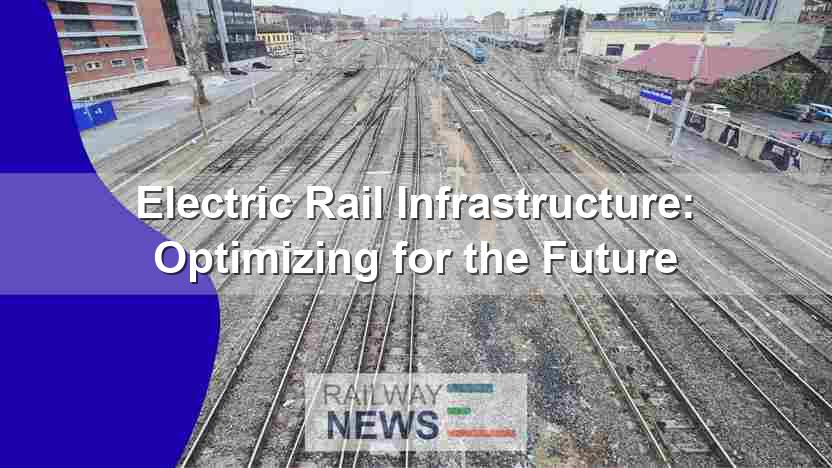
The railway industry is undergoing a significant transformation, driven by the increasing adoption of electric traction and the need for enhanced efficiency and sustainability. This article explores the critical aspects of optimizing railway infrastructure to support this shift, focusing on the integration of electric vehicle (EV) charging solutions, advancements in signaling technologies, and the broader implications for railway operations and maintenance. From bolstering the grid to ensuring seamless passenger experiences, these changes are not just incremental upgrades; they represent a fundamental reimagining of how railways can operate in the 21st century. Successfully navigating this transition requires a holistic approach, acknowledging the interconnectedness of infrastructure components and the potential challenges involved. This article will argue that a strategic, multifaceted approach is needed for a smooth transition.
Electrification: Beyond the Tracks
Moving to electric traction isn’t simply about replacing diesel locomotives. It necessitates a complete overhaul of infrastructure. This includes the installation of dedicated overhead lines for electricity supply and robust substations capable of handling the increased energy demands. Additionally, critical considerations include optimizing the placement of transformers and substations for maximum efficiency, and ensuring that the railway’s power grid can accommodate the peak energy demands of electric trains. Existing infrastructure will need to be upgraded to accommodate the increased power loads and potential higher voltages associated with electric locomotives.
Smart Signaling and Communication: The Digital Backbone
Modernizing signaling systems is paramount to enhancing safety and efficiency on electrified lines. Advanced signaling systems, often leveraging digital technologies, enable more sophisticated train control. This includes aspects like automatic train protection (ATP), which improves safety through tighter control and reduces the possibility of collisions. Integration with communication networks is crucial. Real-time data sharing between trains, signaling systems, and control centers allows for dynamic traffic management, optimizing schedules, and potentially reducing delays. The seamless integration of these technologies is crucial for maintaining and improving reliability.
Integrating EV Charging Infrastructure: A Sustainable Solution
The proliferation of electric trains necessitates the establishment of robust EV charging points at key stations and along routes to support both passenger and freight operations. This should extend to detailed infrastructure upgrades for maintenance and charging facilities, and not just the installation of charging stations. Strategically located charging points along railway lines will facilitate the smooth operation of electrified trains. This aspect is vital, as these infrastructure provisions are critical for maintaining train schedules and availability while fostering overall sustainability. Southern Railway EV charging points will play a key role in this effort.
Maintenance and Operations: A New Paradigm
Electrified railways demand a revised approach to maintenance and operations. Predictive maintenance, utilizing data analytics and sensor technology to anticipate equipment failures, will be vital for optimizing upkeep schedules. The complexity of the new infrastructure requires a robust training program for maintenance personnel and the development of specialized tools and procedures. Additionally, integrating the latest technologies, such as remote diagnostics, will ensure proactive maintenance and prevent costly disruptions. The transition requires a shift from reactive to proactive maintenance strategies.
Conclusion: A Sustainable Railway for the Future
This article has explored the intricate relationship between electrification, signaling advancements, EV charging infrastructure, and the modernization of railway maintenance and operations. The successful implementation of these changes will dramatically impact the efficiency, sustainability, and safety of the entire railway network. Electrification necessitates a complete overhaul of existing infrastructure, requiring careful planning and meticulous execution to avoid costly mishaps. Effective integration of advanced signaling systems, ensuring communication reliability, is essential for maintaining the integrity of the railway’s operations, while simultaneously creating space for the development of innovative safety features. The critical role of EV charging points, strategically placed along routes, cannot be understated, as they are vital for maintaining optimal train schedules and bolstering the sustainability of the network. Finally, a shift towards predictive maintenance strategies and an adaptable framework for maintenance and operations is necessary to successfully navigate this paradigm shift in railway infrastructure. By adopting a holistic approach encompassing these critical elements, railway networks can evolve into sustainable, efficient, and future-proof systems ready to serve the evolving needs of both passengers and freight services. Investing in these crucial elements is not just an investment in technology but a fundamental step toward the future of transportation.
You might be interested in:
Last March 2019, we published an article about upgrading railway signaling systems with Alstom’s iVPI. Click here to read – MBTA Subway’s Red & Orange Line Upgrade: A €80M Modernization

Railway infrastructure, rolling stock and transport technologies specialist focused on global rail industry developments, high-speed rail systems, signaling technologies and freight transportation. Covering railway investments, public transport modernization, rail operations and international mobility projects across Europe, Asia and North America.
RELATED POSTS

October 8, 2026 1:15 pm
Alstom secured a €1bn contract to build 13 automated trains,...

October 1, 2026 7:09 am
United States regulators confirmed a September 30 deadline for the...

October 8, 2026 12:18 pm
Siemens Mobility signed an agreement with VinSpeed to supply 350...

October 4, 2026 5:14 pm
Alstom secured a CA$4.7 billion order from VIA Rail Canada...

October 5, 2026 6:12 pm
AECOM and Jacobs secured a contract in September 2026 to...

October 1, 2026 12:13 am
Illinois approved $1.5 billion annually for the Northern Illinois Transit...