
Stadler Wins Major GYSEV EMU Contract: A Rail Revolution
This article examines the recent contract awarded to Stadler by GYSEV (Győr-Sopron-Ebenfurti Vasút), a Hungarian-Austrian railway operator, for the supply of up to thirteen electric multiple units (EMUs).
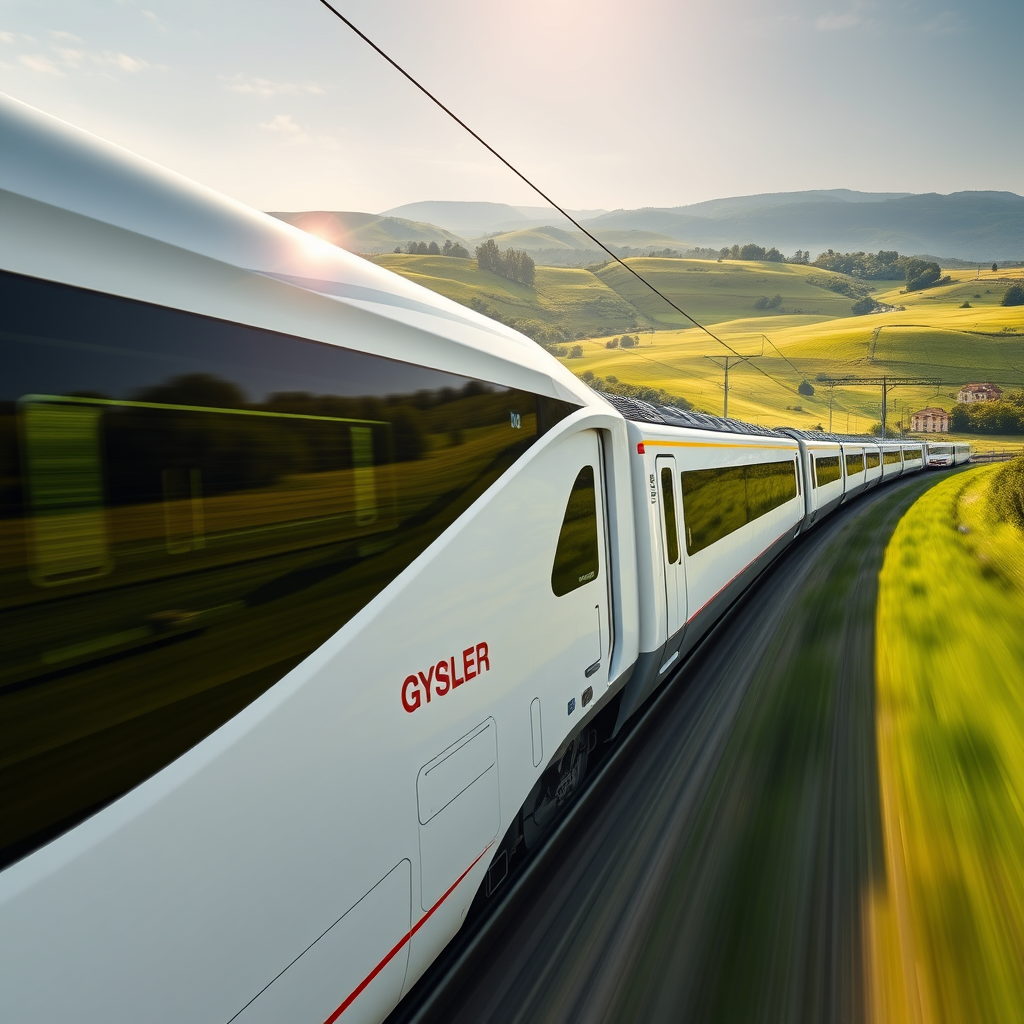
This article examines the recent contract awarded to Stadler by GYSEV (Győr-Sopron-Ebenfurti Vasút), a Hungarian-Austrian railway operator, for the supply of up to thirteen electric multiple units (EMUs). This agreement highlights several key aspects of modern railway procurement, encompassing financial structuring, technological advancements in rolling stock design, and the growing emphasis on environmental sustainability within the rail industry. We will delve into the specifics of the deal, analyze the technological features of the EMUs, explore the financial mechanisms involved, and discuss the broader implications of this contract for both Stadler and the future of rail transit in Hungary and Austria. The focus will be on the strategic considerations behind this significant investment in modern rolling stock and its contribution to a more efficient and environmentally conscious railway system. The implications of this deal extend beyond a simple transaction, impacting long-term operational efficiency, passenger experience, and the broader sustainability goals of the rail sector.
The GYSEV-Stadler Contract: Details and Specifications
Stadler, a leading Swiss rolling stock manufacturer, has secured a contract to supply GYSEV with a minimum of nine, and potentially up to thirteen, modern intercity EMUs. These EMUs, based on Stadler’s proven FLIRT platform but modified for intercity service, will be assembled at Stadler’s state-of-the-art facility in Szolnok, Hungary. Each 106-meter-long train boasts a maximum passenger capacity of 280, with a configurable interior allowing for the transportation of up to 18 bicycles, a feature particularly relevant during peak tourist seasons. The EMUs incorporate energy-efficient electric traction motors, underscoring a commitment to sustainability. The delivery schedule anticipates the first trains entering service in 2027, with the final delivery approximately one year later. This phased delivery approach allows for controlled integration into GYSEV’s existing operations and minimizes service disruption.
Financial Aspects and European Investment Bank Involvement
The procurement of this significant rolling stock investment is facilitated by a loan provided by the European Investment Bank (EIB). This highlights the crucial role of international financial institutions in supporting large-scale infrastructure projects within the European Union. The EIB’s involvement underscores the project’s alignment with broader EU objectives related to sustainable transportation and economic development. The financing structure, contingent upon the successful conclusion of the financing contract, reflects the standard procedure for such large-scale procurements, ensuring a robust financial framework for the project’s successful execution.
Technological Advancements and Operational Efficiency
The EMUs’ design incorporates several key technological advancements. The use of energy-efficient electric traction motors directly contributes to reduced operational costs and a smaller carbon footprint. The “maintenance-friendly” design, a hallmark of Stadler’s rolling stock, minimizes downtime and maximizes operational efficiency. This focus on both passenger comfort and operational efficiency demonstrates a holistic approach to rail system optimization. The adaptability of the interior, allowing for bicycle transport, caters to changing passenger needs and promotes environmentally friendly transportation options.
Sustainability and the Future of Rail Transit
The emphasis on energy efficiency in the EMUs’ design aligns perfectly with the growing focus on environmental sustainability within the railway industry. Reduced energy consumption translates directly into lower greenhouse gas emissions, contributing to the overall reduction of the railway’s environmental impact. This commitment to sustainability extends beyond the EMUs themselves. The selection of Stadler’s Szolnok facility underscores the commitment to regional economic development and the creation of local jobs. The project reflects a forward-looking approach to rail transportation, prioritizing environmentally conscious practices and technologically advanced solutions.
Conclusions
The Stadler-GYSEV contract represents a significant investment in the future of rail transit in Hungary and Austria. The procurement of up to thirteen modern, energy-efficient EMUs will undoubtedly improve passenger service on the Sopron-Budapest and Szombathely-Budapest lines. The deal demonstrates a strong commitment to sustainable transportation, leveraging technological advancements in rolling stock design and securing financing through the European Investment Bank (EIB). The use of Stadler’s FLIRT platform, adapted for intercity operations, guarantees a proven and reliable solution, while the “maintenance-friendly” design minimizes operational disruptions and maximizes long-term efficiency. The configurable interior, accommodating both passengers and bicycles, showcases a forward-thinking approach to passenger needs. The phased delivery schedule, starting in 2027, ensures a smooth integration into GYSEV’s operational framework. This contract serves as a compelling case study of successful collaboration between a leading rolling stock manufacturer and a forward-thinking railway operator, showcasing the potential for modernization and sustainability within the European rail sector. The emphasis on both technological innovation and environmental responsibility sets a positive precedent for future rail infrastructure projects across the continent. The successful completion of this project will not only enhance passenger experience but also contribute significantly to the long-term sustainability of rail transportation in the region.

Transport and railway industry editor covering global rail infrastructure, sustainable mobility, urban transit systems and next-generation railway technologies with a focus on accessible and industry-focused reporting.
RELATED POSTS

October 1, 2026 7:09 am
United States regulators confirmed a September 30 deadline for the...

October 8, 2026 1:15 pm
Alstom secured a €1bn contract to build 13 automated trains,...

October 4, 2026 5:14 pm
Alstom secured a CA$4.7 billion order from VIA Rail Canada...
October 1, 2026 10:14 am
HS2 installed a 55-metre steel span in Birmingham, completing phase...

October 4, 2026 11:08 pm
Sound Transit confirmed the September 30 opening of Seattle Pinehurst...
October 1, 2026 3:12 am
Greenbrier confirmed Brian Comstock as new president and CEO effective...