
Siemens Velaro Novo: 2026 Construction Update
Siemens’ new Velaro Novo high-speed train boasts 30% lower energy use and 1375 tons less annual CO2 emissions. Railway sector news: This revolutionary train is set to redefine high-speed rail.
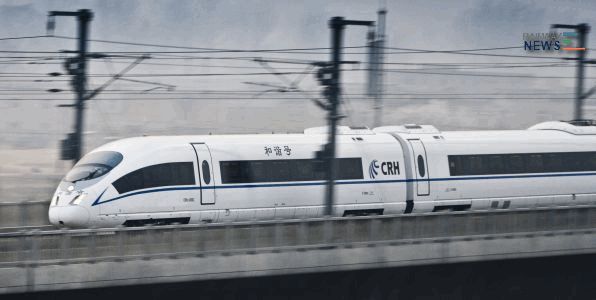
The Siemens Velaro Novo represents the next generation of high-speed rolling stock, engineered for enhanced energy efficiency, operational flexibility, and reduced lifecycle costs. This platform sets a new industry benchmark through its lightweight construction, advanced aerodynamics, and a fully modular “empty tube” interior concept, making it a definitive solution for future passenger rail networks.
| Attribute | Details |
|---|---|
| Project Name | Siemens Velaro Novo Platform Development |
| Location | Germany (Development & Testing); Global Deployment |
| Train Length | 202m (7-car set), 404m (14-car set) |
| Maximum Speed | 360 km/h (Configurable from 250 km/h) |
| Estimated Cost | Proprietary / Dependent on configuration |
| Status (2026) | In Production & Operational on select networks |
| Key Contractors | Siemens Mobility (Developer & Manufacturer) |
Technical Specifications
The Velaro Novo platform is a fundamental redesign of high-speed train architecture. Central to its design is the “empty tube” concept, where the 28.75m carbody is constructed as a shell with minimal fixed installations. This allows for unprecedented interior modularity, enabling operators to customize seating arrangements, luggage space, and onboard facilities with minimal structural changes. The train’s aerodynamic efficiency is significantly enhanced by a streamlined profile and fully covered bogies, which reduce aerodynamic noise and contribute to a 15% reduction in energy consumption from drag alone. Construction with advanced lightweight materials results in a 15% overall weight reduction compared to previous Velaro models.
Propulsion is managed by a proven distributed traction system, scalable from 4,700kW to 8,000kW, allowing for precise performance tuning based on route topography and speed requirements. The system integrates high-performance electrical brakes with resistors, drastically reducing mechanical brake wear and associated maintenance costs. Digitalization is core to the platform, with integrated real-time diagnostics, passenger information systems, high-speed internet connectivity, and advanced CCTV systems as standard features.
Key Takeaways
- Unprecedented Energy Efficiency: The Velaro Novo achieves a 30% reduction in energy consumption compared to its predecessors. This is accomplished through a combination of a 15% lighter carbody, superior aerodynamics with covered bogies, and an efficient, scalable traction system, resulting in an annual CO2 emission reduction of approximately 1,375 tons per trainset.
- Maximum Operational Flexibility: The “empty tube” design principle allows rail operators to rapidly reconfigure train interiors to meet changing market demands. Combined with scalable train lengths (7 or 14 cars) and adjustable power outputs, the platform can be optimized for a wide range of service profiles, from high-density commuter routes to long-distance premium services.
- Reduced Total Cost of Ownership (TCO): The platform is engineered to lower lifecycle costs through reduced energy expenditure, minimized maintenance requirements (e.g., less brake wear), and the operational efficiencies gained from its modular design. This makes it an economically viable solution for operators planning long-term fleet investments.
Frequently Asked Questions (FAQ)
What is the top speed of the Siemens Velaro Novo?
The Siemens Velaro Novo is designed for a maximum operational speed of up to 360 km/h (approximately 224 mph). The platform is scalable, with configurations available for various service speeds starting from 250 km/h to meet specific network requirements.
What makes the Velaro Novo more efficient than older high-speed trains?
The Velaro Novo’s efficiency gains primarily come from three key innovations: a 15% lighter carbody construction, a highly aerodynamic profile with fully covered bogies that reduce drag, and an advanced energy management system. This holistic approach results in up to a 30% reduction in overall energy consumption compared to previous models.

Transport and railway industry editor covering global rail infrastructure, sustainable mobility, urban transit systems and next-generation railway technologies with a focus on accessible and industry-focused reporting.