
Siemens Vectron Dual Mode: Cross-Border Rail Freight Approved
Vectron Dual Mode locomotives gain cross-border approval between Germany and Austria, enhancing rail freight efficiency and sustainability with ETCS Baseline 3.6 technology.
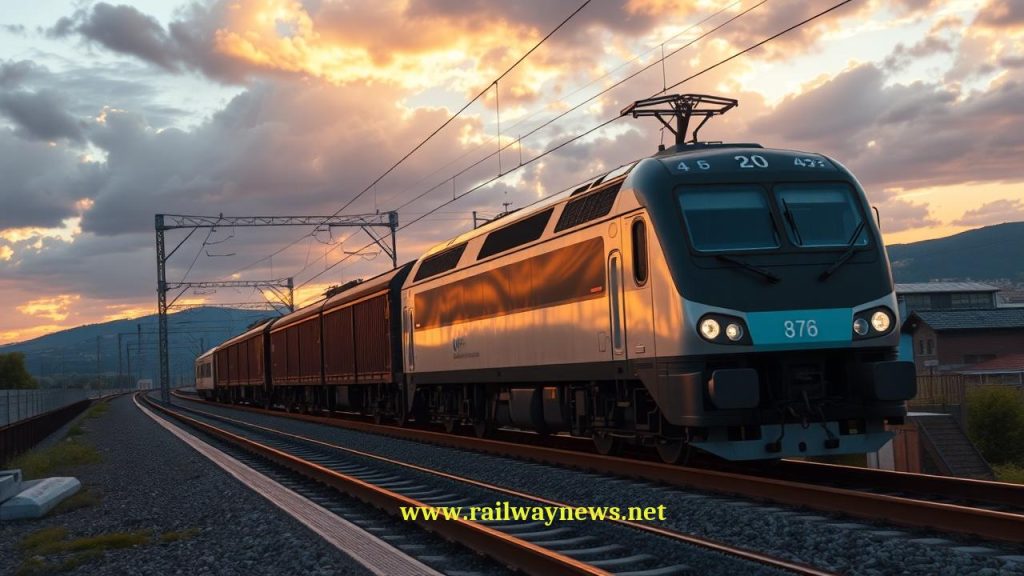
MUNICH, Germany – Siemens Mobility’s Vectron Dual Mode locomotives have officially received authorization for cross-border operations between Germany and Austria, a move set to enhance the efficiency and sustainability of rail freight in Central Europe. This landmark approval makes Austria the second country to authorize the advanced locomotives, which are equipped with the latest ETCS Baseline 3.6 for seamless interoperability.
| Category | Details |
|---|---|
| Locomotive Type | Siemens Vectron Dual Mode |
| Authorization Scope | Cross-border operation between Germany and Austria |
| Control System | ETCS Baseline 3.6 (via Siemens Trainguard Basic On-board Unit) |
| Launch Operator (Austria) | Stern & Hafferl Verkehr |
| Maximum Speed | 160 km/h |
The authorization marks a significant milestone for European rail interoperability. Austria follows Germany in approving this specific configuration of the Vectron Dual Mode, enabling freight operators to run continuous services across the border without changing locomotives. The first two units with this dual-country authorization have been delivered to Austrian operator Stern & Hafferl Verkehr, which has now received its full order of six such locomotives. Günter Neumann, CEO of Stern & Hafferl Verkehr, praised the development: “They enable efficient and uninterrupted operations right down to the last mile and make a significant contribution to environmentally friendly freight transport, with the aim of shifting even more traffic from road to rail.”
Engineered at the Siemens Mobility plant in Munich-Allach, the Vectron Dual Mode is built on the proven Vectron platform. It operates on the standard 1,435 mm gauge with an operating weight of 90 tonnes. The locomotive is designed for 15 kV AC electrified networks, drawing power from the catenary wherever possible. For non-electrified sections, such as industrial sidings or gaps in the network, it seamlessly switches to its powerful diesel engine, which is fed by a 2,600-liter fuel tank. This dual-power capability provides ultimate operational flexibility, eliminating the need for shunting locomotives on the “last mile” and streamlining logistics.
The strategic value of this locomotive is particularly pronounced in Austria, where studies indicate that conventional diesel locomotives travel under electrified lines for 60-80% of their journeys. The Vectron Dual Mode directly addresses this inefficiency by running on clean electric power for the majority of the route, only activating its diesel engine when essential. This drastically reduces CO2 emissions and local pollutants, especially in urban areas. Stern & Hafferl Verkehr began deploying these locomotives for domestic services between Gmunden and Ebensee in April 2023, and this new cross-border approval vastly expands their operational potential.
Key Takeaways
- Seamless Cross-Border Freight: The authorization removes a major technical barrier, allowing for uninterrupted rail freight services between Germany and Austria.
- Enhanced Sustainability: The locomotive’s ability to run on electric power wherever available significantly cuts carbon emissions and fuel consumption compared to traditional diesel-only operations.
- Operational Efficiency: By eliminating the need for locomotive changes at borders or for non-electrified sidings, operators can reduce transit times, cut costs, and improve service reliability.
Editor’s Analysis
This authorization is more than a technical approval; it’s a strategic enabler for the European Green Deal’s objective of shifting freight from road to rail. The Germany-Austria corridor is a critical artery for European logistics, and the inability to run a single locomotive type across borders and onto non-electrified sidings has long been a competitive disadvantage for rail. The Vectron Dual Mode, equipped with the latest ETCS standard, provides a pragmatic and powerful solution to this challenge. It bridges the infrastructure gaps that fragment the European rail network, offering a compelling business case for operators through fuel savings and increased asset utilization while delivering tangible environmental benefits. This development will likely accelerate the adoption of dual-mode technology across other key European corridors.
Frequently Asked Questions
What is a Vectron Dual Mode locomotive?
It is a locomotive manufactured by Siemens Mobility that can operate using two different power sources: electricity from overhead lines (catenary) on electrified routes, and an onboard diesel engine for non-electrified tracks.
Why is the Germany-Austria cross-border authorization significant?
It allows a single locomotive to handle an entire freight journey between the two countries, including “last mile” delivery on non-electrified sidings, without needing to be changed. This improves speed, reduces costs, and increases the efficiency of rail freight, making it more competitive with road transport.
What is ETCS Baseline 3.6?
ETCS (European Train Control System) is the signaling and control component of the European Rail Traffic Management System (ERTMS). Baseline 3.6 is a recent version of the standard that ensures a high level of interoperability and safety for trains operating across different national rail networks in Europe.

Railway infrastructure, rolling stock and transport technologies specialist focused on global rail industry developments, high-speed rail systems, signaling technologies and freight transportation. Covering railway investments, public transport modernization, rail operations and international mobility projects across Europe, Asia and North America.
RELATED POSTS

October 5, 2026 6:12 pm
AECOM and Jacobs secured a contract in September 2026 to...

October 4, 2026 11:08 pm
Sound Transit confirmed the September 30 opening of Seattle Pinehurst...

October 6, 2026 9:17 am
Illinois approved $1.1M in state funds to upgrade two McHenry...
October 6, 2026 12:16 am
FTA awarded $233 million in grants to eight US rail...

October 5, 2026 3:13 pm
DART launched a 90-day fare enforcement pilot across 5 light-rail...
October 6, 2026 12:12 pm
Amey secured an eight-year contract from Irish Rail to design,...