
SEPTA Reports $920.7M Capital Plan for FY2027 New Vehicles
SEPTA allocated $920.7 million for new buses, trolleys, and rail cars in Philadelphia for FY2027.
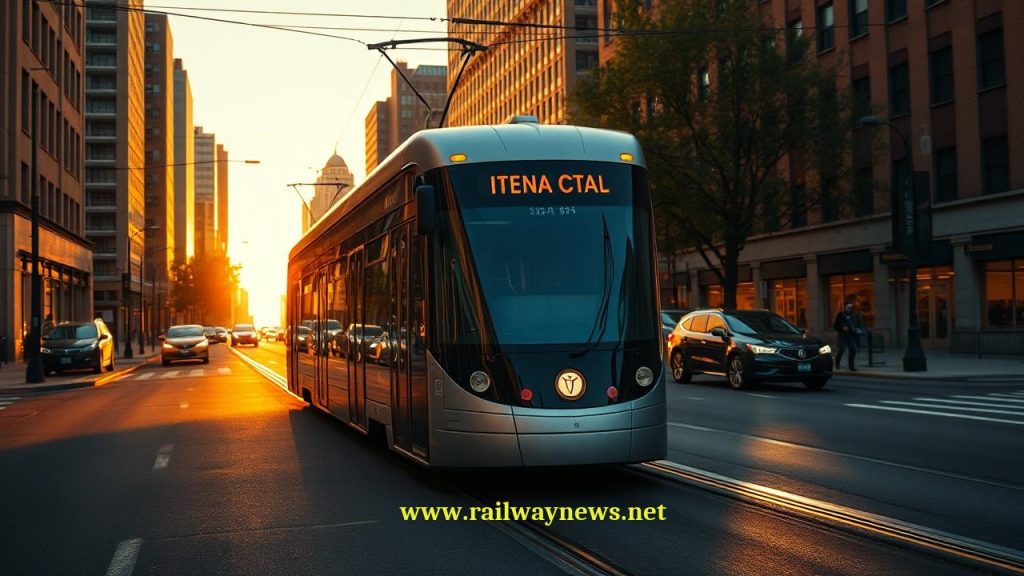
⚡ In Brief: The Southeastern Pennsylvania Transportation Authority (SEPTA) has proposed a $2.7 billion budget for fiscal-year 2027, which includes a $920.7 million capital plan for new vehicles and infrastructure projects without implementing fare increases or service reductions.
PHILADELPHIA, USA – The Southeastern Pennsylvania Transportation Authority (SEPTA) last week proposed a total budget of $2.7 billion for the 2027 fiscal year. The plan allocates $1.84 billion for operations and $920.7 million for capital investments. The proposal holds passenger fares and service levels steady, focusing capital funds on fleet modernization.
How Is the Funding Structured?
The proposed budget is divided into two primary components: a $1.84 billion operating budget and a $920.7 million capital budget. The operating funds are designated for day-to-day services and administrative costs, while the capital portion is specifically earmarked for long-term assets. These capital funds will finance the purchase of new buses, trolleys, and rail cars for the Market-Frankford Line and Regional Rail network. A specific breakdown of the capital budget by project or the exact number of vehicles to be procured was not disclosed in the proposal announcement.
Key Funding Data
| Parameter | Value |
|---|---|
| Fund / Programme Name | SEPTA Fiscal-Year 2027 Budget Proposal |
| Total Value | $2.7 Billion ($1.84B Operating, $920.7M Capital) |
| Parties Involved | Southeastern Pennsylvania Transportation Authority (SEPTA) |
| Timeline / Completion | Fiscal Year 2027 |
| Country / Corridor | USA / Philadelphia Metropolitan Area |
How Does This Compare to Similar Funding Programs?
SEPTA’s proposed $920.7 million capital budget for 2027 aligns with a robust global trend of investment in new transport infrastructure. For comparison, the total planned capital expenditure on new infrastructure projects worldwide for 2027 is estimated at £154 billion (approximately $195 billion). While SEPTA’s budget represents a fraction of the global total, it reflects a common strategy among transit authorities to prioritize fleet renewal and state-of-good-repair projects. For example, Kenya Railways is undergoing a significant workforce expansion to support its growing Standard Gauge Railway (SGR), indicating a similar focus on investing to meet rising demand. (Source: Energy Voice, 2026; Soko Directory, 2026).
Editor’s Analysis
SEPTA’s strategy to freeze fares and avoid service cuts while investing in new rolling stock presents a notable contrast to trends in the wider logistics market. While freight and intermodal operators are adjusting rates upward to manage costs, with dry van contract rates rising 4.2% annually, SEPTA is prioritizing ridership stability. This approach suggests a reliance on state and federal subsidies to absorb inflationary pressures, focusing capital on tangible service improvements to attract and retain passengers. The plan to procure new railcars also fits within a market where manufacturers like Greenbrier have backlogs extending into 2027, highlighting sustained demand for new rolling stock across the sector. (Source: Logistics Management, 2026; TradingView, 2026).
FAQ
Q: Will SEPTA’s budget proposal increase passenger fares in 2027?
A: No, the proposed $2.7 billion budget for fiscal-year 2027 explicitly avoids any fare increases. The funding model is designed to cover the $1.84 billion in operating costs without raising ticket prices for passengers.
Q: What new vehicles is SEPTA buying with the capital budget?
A: The $920.7 million capital budget includes funds for purchasing new buses, trolleys, and rail cars for the Market-Frankford Line and Regional Rail. However, the specific number of vehicles to be procured was not disclosed in the initial proposal.
Q: How will this budget affect service frequency or routes?
A: The proposal is designed to maintain current service levels, with no service cuts planned for fiscal-year 2027. The investment in new rolling stock is intended to improve the reliability and passenger experience on existing routes rather than to alter their frequency.

Transport and railway industry editor covering global rail infrastructure, sustainable mobility, urban transit systems and next-generation railway technologies with a focus on accessible and industry-focused reporting.
RELATED POSTS

October 1, 2026 12:13 am
Illinois approved $1.5 billion annually for the Northern Illinois Transit...

October 1, 2026 6:10 am
Amtrak approved a System Expansion Committee on July 30 to...
October 1, 2026 4:10 am
DART launched two public ridership dashboards in March 2026 to...
October 1, 2026 3:12 am
Greenbrier confirmed Brian Comstock as new president and CEO effective...
October 1, 2026 5:14 am
Siemens confirmed delivery of the first new S200 train to...
October 1, 2026 10:14 am
HS2 installed a 55-metre steel span in Birmingham, completing phase...