
Scotland’s Rail Upgrade: Modernizing the Network
The ongoing railway infrastructure upgrade in Scotland, involving multi-million-pound investments across major cities and crucial junctions, aims to enhance passenger experience, improve operational efficiency, and ensure the long-term reliability of the network during high demand periods.
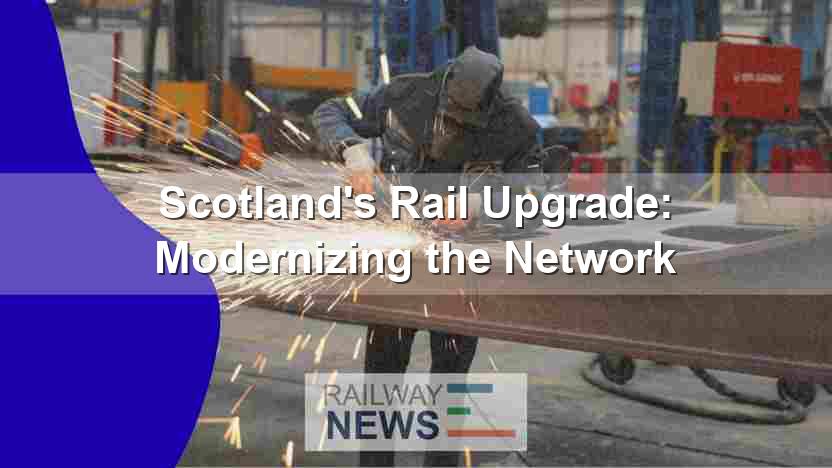
Introduction
Scotland’s railway infrastructure is undergoing a significant modernization program, a multi-million-pound investment aimed at enhancing passenger experience, improving operational efficiency, and ensuring the long-term reliability of the network. This article explores the key aspects of this ongoing infrastructure upgrade, focusing on recent and planned works across major cities and crucial junctions in Scotland. We will examine the specific projects underway, their significance to the overall rail network performance, and the challenges inherent in undertaking such large-scale improvements during a period of high passenger demand and limited operational windows. The analysis will highlight the importance of strategic planning, coordination between various stakeholders (Network Rail, contractors, and the Scottish Government), and effective communication with the traveling public to mitigate disruptions and maximize the benefits of these vital upgrades. The strategic goal is not merely to repair and replace aging components, but to build a more resilient and efficient railway system capable of meeting the demands of a growing population and a modern economy.
Festive Season Infrastructure Upgrades
Network Rail (NR), the UK’s infrastructure manager, is undertaking extensive engineering works across Scotland’s railway network during the Christmas and New Year period. This strategic timing minimizes disruption to passenger services, as many lines experience reduced passenger volumes during the holiday season. The works encompass a wide range of improvements, including track renewal, drainage upgrades, and signalling system enhancements. Specific projects include upgrades at key junctions such as Carstairs (connecting Glasgow and Edinburgh to London), Powderhill Junction, and Eglinton Street in Glasgow. The focus on signalling and overhead line equipment (OLE) improvements at critical locations reflects NR’s commitment to enhancing operational reliability and reducing the frequency of delays caused by infrastructure failures. The scale of these improvements underscores the commitment to long-term maintenance and modernization of the Scottish rail network.
East Coast Main Line (ECML) Improvements
The ECML, a vital artery connecting Scotland to England, is also benefiting from significant upgrades. Work between Chester Hall and Penmansheil involves rail replacement, a process demanding careful planning and coordination to ensure minimal disruption to passenger and freight services. This segment of the line is a critical transport corridor, and any interruption requires careful management to minimize knock-on effects on the wider network. The implementation of rail replacement necessitates robust contingency plans, including alternative transportation options and clear communication to passengers. The drainage upgrades at Powderhill Junction are crucial for maintaining track stability and preventing issues arising from water accumulation and erosion.
Glasgow Central Station Feeder Station Upgrades
Beyond the festive season projects, significant investments are being made in upgrading feeder stations around Glasgow Central, a key hub in the Scottish rail network. A £120 million investment from the Scottish Government is facilitating the installation of a new modular feeder station and the renovation of a key track section cabinet near Glasgow Central. Modular construction offers efficiency gains, enabling quicker installation and reduced disruption. These upgrades aim to improve capacity, enhance reliability, and increase the overall efficiency of train movements in and out of Glasgow Central station, ultimately benefiting passengers with faster and more reliable service. The modernization of signaling and power infrastructure represents a critical component of overall network resilience and operational efficiency.
Conclusion
The multi-million-pound investment in Scotland’s railway infrastructure represents a significant commitment to improving the quality and reliability of the rail network. The ongoing upgrades, encompassing track, drainage, signaling, and overhead line equipment (OLE) improvements, are crucial for enhancing passenger experience, boosting operational efficiency, and ensuring the long-term sustainability of the rail system. The strategic timing of works, particularly during the festive period, demonstrates a proactive approach to minimizing disruption. The projects at key junctions like Carstairs and Powderhill Junction are vital for maintaining the smooth flow of traffic on major lines such as the ECML. Additionally, the improvements around Glasgow Central station, including the introduction of modular feeder stations, reflect a forward-thinking approach to infrastructure development, utilizing modern construction techniques to maximize efficiency and minimize disruption. The success of these projects hinges on effective planning, collaboration between Network Rail, contractors, and the Scottish Government, and clear communication with passengers throughout the upgrade process. The ultimate outcome should be a more resilient, efficient, and passenger-friendly railway network that supports Scotland’s economic growth and contributes to a sustainable transport system for years to come. The commitment to ongoing maintenance and modernization is essential for preserving the value of this vital infrastructure asset, ensuring its continued ability to support the needs of both passengers and freight operators. This holistic approach, focusing on both immediate upgrades and long-term strategic planning, is essential for the continued success and modernization of the Scottish rail system.

Railway infrastructure, rolling stock and transport technologies specialist focused on global rail industry developments, high-speed rail systems, signaling technologies and freight transportation. Covering railway investments, public transport modernization, rail operations and international mobility projects across Europe, Asia and North America.
RELATED POSTS

October 8, 2026 1:15 pm
Alstom secured a €1bn contract to build 13 automated trains,...

October 1, 2026 7:09 am
United States regulators confirmed a September 30 deadline for the...

October 8, 2026 12:18 pm
Siemens Mobility signed an agreement with VinSpeed to supply 350...

October 4, 2026 5:14 pm
Alstom secured a CA$4.7 billion order from VIA Rail Canada...

October 5, 2026 6:12 pm
AECOM and Jacobs secured a contract in September 2026 to...

October 4, 2026 11:08 pm
Sound Transit confirmed the September 30 opening of Seattle Pinehurst...