
Metra’s Green Revolution: Electric Trains Arrive
Metra orders eight zero-emission Stadler BEMUs for $154M, launching Chicago’s green rail revolution with electric trains arriving by 2027-2028.
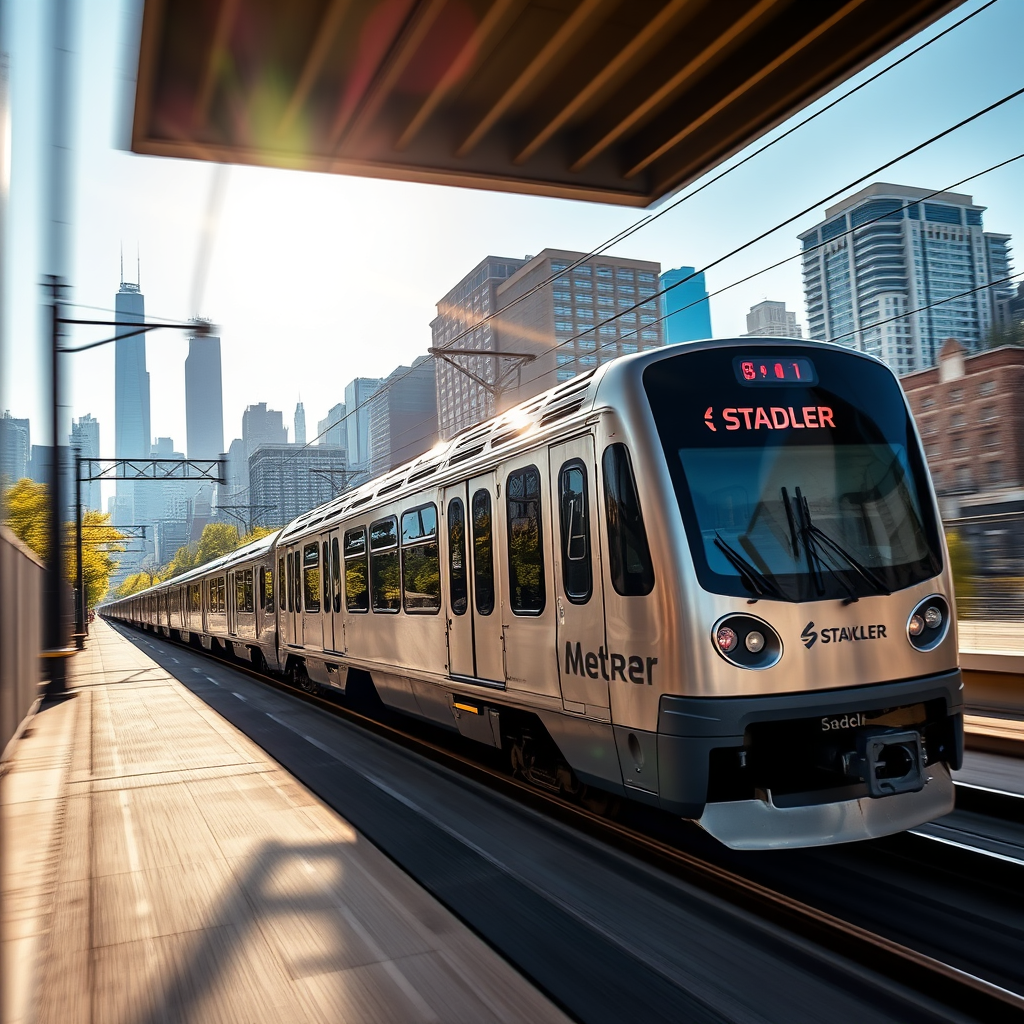
This article analysis into Metra’s (Chicago’s commuter rail network) significant investment in eight battery-electric multiple units (BEMUs) from Stadler, marking a pivotal step towards a greener and more efficient railway system. The $154 million order, encompassing potential expansion to a total of 40 cars, signifies a substantial commitment to modernizing Metra’s fleet and reducing its environmental impact. This transition not only addresses air quality concerns in the Chicago area but also paves the way for enhanced service frequency and improved passenger experience. We will explore the technical specifications of the BEMUs, the strategic rationale behind Metra’s decision, the financial aspects of the project, and the long-term implications for sustainable commuter rail transportation. The analysis will highlight the challenges and opportunities presented by this large-scale adoption of battery-electric technology in the US commuter rail sector.
Technological Advancement: The Stadler BEMUs
Metra’s choice of Stadler’s BEMUs represents a significant leap forward in commuter rail technology. Unlike traditional diesel-electric locomotives, BEMUs utilize onboard batteries for propulsion, eliminating direct emissions during operation. This translates to cleaner air, reduced noise pollution, and a lower carbon footprint. The trains are designed with a focus on passenger comfort and accessibility, incorporating features tailored to the specific needs of Metra’s ridership. Stadler’s commitment to “winterizing” the units, through measures such as underfloor heating and enhanced insulation, addresses the unique challenges of operating in Chicago’s harsh winters. The BEMUs’ capacity of 112 passengers per two-car unit ensures adequate passenger conveyance, and the option for expansion to three or four-car trainsets allows Metra to flexibly adjust capacity to meet fluctuating demand.
Strategic Rationale: Environmental Sustainability and Service Enhancement
Metra’s decision to invest in BEMUs is driven by a multifaceted strategic vision. The environmental benefits are paramount, aligning with the network’s commitment to reducing its carbon emissions and improving air quality, particularly in the southern Chicago suburbs where the Rock Island Line operates. This initiative directly supports the Congestion Mitigation and Air Quality Improvement (CMAQ) program goals. Additionally, the adoption of BEMUs is intended to improve service frequency and reliability. The flexibility offered by battery power allows for greater operational efficiency and the potential for more frequent all-day service, addressing a key demand among commuters. The quiet operation of these electric trains is also a significant advantage compared to noisy diesel units, contributing to an enhanced passenger experience.
Financial Considerations: Funding and Investment
The $154 million investment in the initial eight BEMUs is primarily funded by a $169.3 million federal CMAQ grant. Metra’s commitment to a 20% local match through Illinois’ PAYGO (Pay-As-You-Go) program underlines the importance of this initiative. The availability of additional funding for potential future expansion (up to $181.4 million for additional cars and trains) demonstrates the long-term commitment to this modernization strategy. This detailed funding approach ensures the project’s financial viability and demonstrates a strong partnership between federal, state, and local authorities.
Long-Term Implications and Conclusion
Metra’s adoption of Stadler’s BEMUs signifies a paradigm shift in US commuter rail operations. This initiative serves as a model for other transit agencies seeking to integrate sustainable and efficient technologies. The project’s success hinges on several factors, including the smooth integration of the new BEMUs into Metra’s existing infrastructure, effective staff training, and the reliable performance of the battery-electric technology in the challenging Chicago climate. The retirement of older, polluting rolling stock upon the arrival of the new units in 2027-2028 will undoubtedly contribute to cleaner air in the Chicago area. Beyond the environmental benefits, the potential for increased service frequency and improved passenger comfort will significantly enhance Metra’s operational efficiency and overall ridership satisfaction. The strategic use of federal funding, combined with local investment, exemplifies a collaborative approach to sustainable infrastructure development. The success of this project could inspire other transit agencies to adopt similar strategies and accelerate the transition towards cleaner and more sustainable public transportation across the United States.

Transport and railway industry editor covering global rail infrastructure, sustainable mobility, urban transit systems and next-generation railway technologies with a focus on accessible and industry-focused reporting.
RELATED POSTS

October 1, 2026 7:09 am
United States regulators confirmed a September 30 deadline for the...

October 8, 2026 1:15 pm
Alstom secured a €1bn contract to build 13 automated trains,...

October 4, 2026 5:14 pm
Alstom secured a CA$4.7 billion order from VIA Rail Canada...

October 1, 2026 12:13 am
Illinois approved $1.5 billion annually for the Northern Illinois Transit...

October 6, 2026 2:14 am
Union Pacific launched export rail shipments with Ferromex to deliver...

October 1, 2026 6:10 am
Amtrak approved a System Expansion Committee on July 30 to...