
Savannah Port Invests $44M: Boosts Cold Chain, Latin America Trade
Port of Savannah invests $44M in a new refrigerated facility, coinciding with Seaboard Marine’s Latin America service, boosting cold chain efficiency.
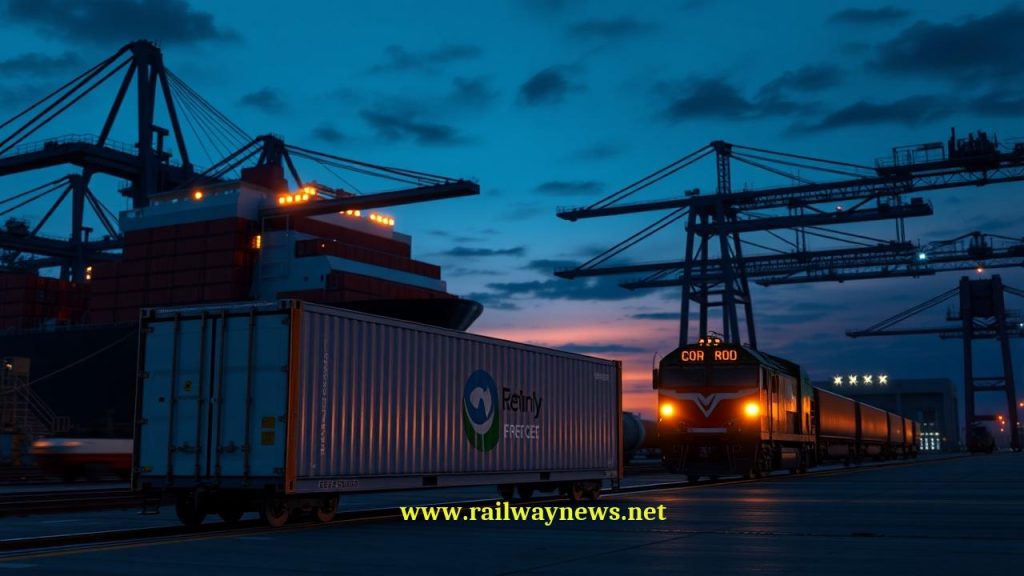
SAVANNAH, GA – The Georgia Ports Authority (GPA) is cementing its role as a premier gateway for cold chain logistics with a $44 million investment in a new on-dock U.S. Customs and Border Protection (CBP) refrigerated inspection facility. This strategic infrastructure enhancement at the Port of Savannah’s Garden City Terminal is timed with the resumption of Seaboard Marine’s direct weekly service, re-establishing a vital trade artery to Latin America and the Caribbean.
| Category | Details |
|---|---|
| Project Investment | $44 million USD |
| Facility Type | CBP Refrigerated Examination Site |
| Location | Garden City Terminal, Port of Savannah |
| Key Partners | Georgia Ports Authority, U.S. Customs and Border Protection (CBP), Seaboard Marine |
| Service Resumption | Seaboard Marine weekly service (First arrival: Jan. 7) |
The Georgia Ports Authority has announced a significant upgrade to its refrigerated cargo handling capabilities with the planned opening of a state-of-the-art, $44 million inspection facility. Located directly within the Garden City Terminal, the site will allow U.S. Customs and Border Protection agents to conduct required examinations of temperature-sensitive cargo without containers having to leave the port. This move is timed perfectly with the return of ocean carrier Seaboard Marine, whose first northbound vessel in its renewed weekly service arrived on January 7. The service offers direct calls in Latin America and the Caribbean, with the first southbound departure scheduled for January 14, and includes crucial transshipment connections to West Coast South America.
The new inspection facility is a critical component in a wider trend of modernizing customs and logistics processes to increase supply chain velocity. By enabling on-terminal refrigerated examinations, the GPA will drastically reduce truck drayage times and potential temperature fluctuations for perishable goods like produce, proteins, and pharmaceuticals. This investment in physical infrastructure aligns with CBP’s broader push for efficiency, such as its recent shift to electronic tariff-refund payments, which aims to streamline financial processes for importers. The focus is on creating a more fluid and secure environment for high-value, time-sensitive cargo, which is increasingly vital for global trade.
The re-introduction of Seaboard Marine’s weekly calls underscores the growing demand for reliable cold chain routes between the U.S. Southeast and Latin America. This renewed service provides shippers with consistent and competitive options for moving goods to and from a region that is a major source of fresh produce for the U.S. market. “Seaboard Marine’s weekly Savannah calls will add new cold chain options to our customers’ Latin America and Caribbean supply chain competitiveness,” noted Georgia Ports Chief Commercial Officer Flavio Batista, highlighting the immediate commercial benefit of the restored connection.
Key Takeaways
- The Georgia Ports Authority is investing $44 million in an on-dock refrigerated inspection facility to expedite CBP clearance for cold chain cargo.
- Seaboard Marine has resumed a direct, weekly shipping service between the Port of Savannah and key markets in Latin America and the Caribbean.
- These developments combine to significantly reduce transit times and enhance the Port of Savannah’s strategic position as a leading U.S. hub for perishable goods.
Editor’s Analysis
This dual announcement from the Georgia Ports Authority is more than a regional infrastructure upgrade; it’s a strategic move with significant implications for the North American intermodal rail network. By co-locating CBP inspection capabilities for refrigerated cargo directly on-terminal, the Port of Savannah is effectively eliminating a major bottleneck in the cold chain. This will increase the velocity and reliability of refrigerated containers moving through the port, creating a stronger demand signal for inland rail services. Class I railroads serving the U.S. Southeast stand to benefit directly, as a more efficient port gate for high-value perishable goods translates into more consistent and potentially higher-volume reefer traffic moving from the coast to major inland consumer markets. This investment reinforces the symbiotic relationship between world-class port facilities and the rail networks that extend their reach deep into the continent.
Frequently Asked Questions
What is the main purpose of the new $44 million facility at the Port of Savannah?
The new facility is a U.S. Customs and Border Protection (CBP) refrigerated examination site. Its purpose is to allow for the on-terminal inspection of temperature-sensitive cargo, which speeds up the customs clearance process, reduces handling, and improves the integrity of the cold chain.
Which shipping line is involved in this new development?
Seaboard Marine has resumed a direct, weekly shipping service to and from the Port of Savannah. The service connects the port with markets in Latin America and the Caribbean, providing crucial routes for refrigerated and other cargo.
How does this investment benefit shippers and the supply chain?
For shippers, it provides faster and more reliable transit for perishable goods by reducing delays associated with off-site inspections. For the broader supply chain, it enhances the Port of Savannah’s competitiveness as a major gateway, strengthening trade links with Latin America and improving the efficiency of moving cold chain products to and from U.S. inland markets.

Railway infrastructure, rolling stock and transport technologies specialist focused on global rail industry developments, high-speed rail systems, signaling technologies and freight transportation. Covering railway investments, public transport modernization, rail operations and international mobility projects across Europe, Asia and North America.
RELATED POSTS

October 1, 2026 7:09 am
United States regulators confirmed a September 30 deadline for the...

October 8, 2026 1:15 pm
Alstom secured a €1bn contract to build 13 automated trains,...

October 4, 2026 5:14 pm
Alstom secured a CA$4.7 billion order from VIA Rail Canada...

October 1, 2026 12:13 am
Illinois approved $1.5 billion annually for the Northern Illinois Transit...

October 6, 2026 2:14 am
Union Pacific launched export rail shipments with Ferromex to deliver...

October 1, 2026 6:10 am
Amtrak approved a System Expansion Committee on July 30 to...