
São Paulo’s Driverless Metro: Alstom’s Line 6 Revolution
Alstom’s new driverless trains for São Paulo Metro Line 6 exemplify significant advancements in railway technology, showcasing sustainable, efficient, and technologically advanced solutions for urban transit.
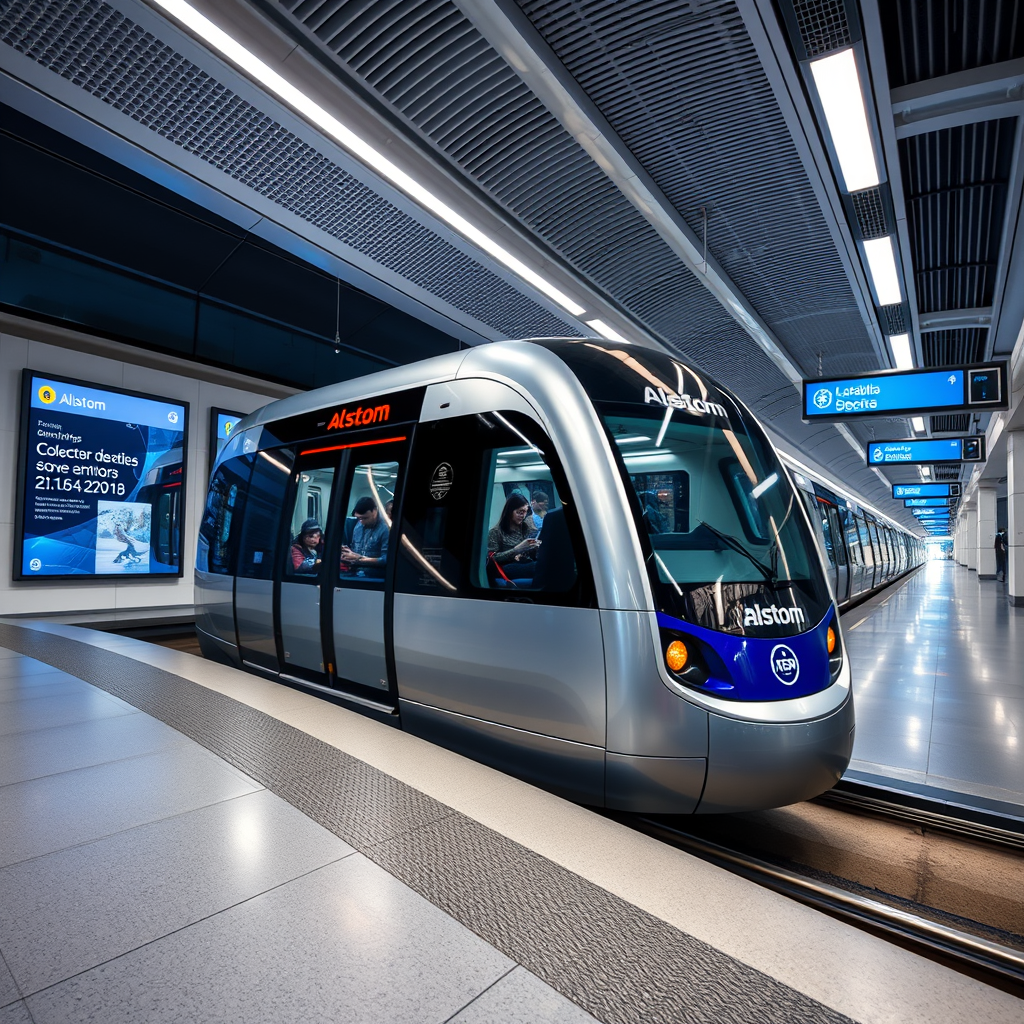
This article explores the significant advancements in railway technology exemplified by Alstom’s new train design for São Paulo Metro’s Line 6. The project showcases a commitment to sustainable, efficient, and technologically advanced urban transit solutions. We will delve into the key features of these innovative trains, focusing on their driverless capabilities (Unattended Train Operation or UTO), energy efficiency, passenger capacity and comfort, and the broader implications of this project for Alstom, the São Paulo Metro system, and the future of urban rail transport in Brazil and globally. This analysis will highlight the integration of Intelligent Transportation Systems (ITS) and the role of such systems in modern railway operation and management. The expansion of Alstom’s Taubaté facility and its strategic importance to this project will also be examined, considering the wider economic and infrastructural impact.
Alstom’s Driverless Train Technology for São Paulo Metro Line 6
Alstom’s design for the São Paulo Metro Line 6 introduces Unattended Train Operation (UTO), a significant leap towards automation in railway systems. This technology eliminates the need for onboard drivers, increasing operational efficiency and reducing labor costs. UTO relies on sophisticated signaling and control systems, integrated with onboard computers and sensors to ensure safe and reliable automatic train operation. This system requires robust communication networks and precise train positioning systems for seamless control and monitoring. The successful implementation of UTO on Line 6 demonstrates Brazil’s growing adoption of advanced railway technologies, aligning with global trends in urban transit modernization.
Energy Efficiency and Sustainable Design
The new trains are engineered for lower energy consumption, a crucial factor in sustainable urban transportation. This is achieved through a combination of factors including optimized motor design, regenerative braking systems (which recapture kinetic energy during braking), and lightweight materials in the train’s construction. Regenerative braking, in particular, significantly reduces energy consumption and operational costs by feeding energy back into the power grid. The focus on sustainability reflects a growing global emphasis on environmentally responsible public transit, minimizing the carbon footprint of urban transport.
Passenger Capacity, Comfort, and Technological Features
Each six-car train boasts a substantial passenger capacity of 2,044, addressing the growing transportation needs of São Paulo. The design prioritizes passenger flow and comfort, featuring features designed to enhance the passenger experience. Modern passenger counting systems provide real-time data on ridership, enabling optimized service scheduling and resource allocation. Video surveillance systems enhance security and passenger safety. The integrated systems reflect a broader approach to enhancing the overall passenger experience, fostering a positive perception of public transport.
Economic and Infrastructural Impact
The Line 6 project, encompassing a 15.3km line and 15 stations, with planned expansion, represents a significant investment in São Paulo’s infrastructure. The contract awarded to Alstom strengthens the company’s position in the Brazilian market, and the expansion of Alstom’s Taubaté factory further contributes to economic growth and job creation in the region. The project also highlights the significant role of public-private partnerships in developing modern and efficient railway systems. The long-term concession agreement with Linha Universidade ensures the continued operation and maintenance of the line, promoting a sustainable approach to infrastructure management.
Conclusion
The Alstom-designed trains for São Paulo Metro’s Line 6 represent a significant advancement in urban rail technology. The adoption of UTO, combined with a focus on energy efficiency and passenger comfort, showcases a commitment to sustainable and technologically advanced public transportation. The project’s success hinges on the seamless integration of various intelligent transportation systems (ITS), ensuring safe, reliable, and efficient train operation. The economic and infrastructural impact extends beyond the immediate benefits, contributing to the overall development of São Paulo’s transportation network and showcasing Brazil’s commitment to modernizing its railway infrastructure. The successful implementation of this project serves as a model for other cities facing similar challenges in providing efficient and sustainable urban transit solutions. The long-term operational agreement ensures continuous service and maintenance, promoting long-term stability and cost-effectiveness. Additionally, the expansion of Alstom’s manufacturing capacity in Brazil underscores the growing importance of domestic manufacturing in supporting large-scale infrastructure projects, fostering economic growth and technological advancement within the country. The project’s emphasis on passenger comfort and enhanced safety features underlines a shift toward prioritizing the user experience in public transport planning, enhancing overall public satisfaction and encouraging greater reliance on public transit systems.

Railway infrastructure, rolling stock and transport technologies specialist focused on global rail industry developments, high-speed rail systems, signaling technologies and freight transportation. Covering railway investments, public transport modernization, rail operations and international mobility projects across Europe, Asia and North America.
RELATED POSTS

October 1, 2026 7:09 am
United States regulators confirmed a September 30 deadline for the...

October 8, 2026 1:15 pm
Alstom secured a €1bn contract to build 13 automated trains,...

October 4, 2026 5:14 pm
Alstom secured a CA$4.7 billion order from VIA Rail Canada...

October 4, 2026 11:08 pm
Sound Transit confirmed the September 30 opening of Seattle Pinehurst...
October 1, 2026 10:14 am
HS2 installed a 55-metre steel span in Birmingham, completing phase...

October 5, 2026 6:12 pm
AECOM and Jacobs secured a contract in September 2026 to...