
Rotterdam Port Railway Shunting Pact Signed by Six Operators
Six rail freight operators signed a shunting pact for the 40 km Rotterdam port rail corridor, using fixed rates and PortFlow app, piloting through October 2025.
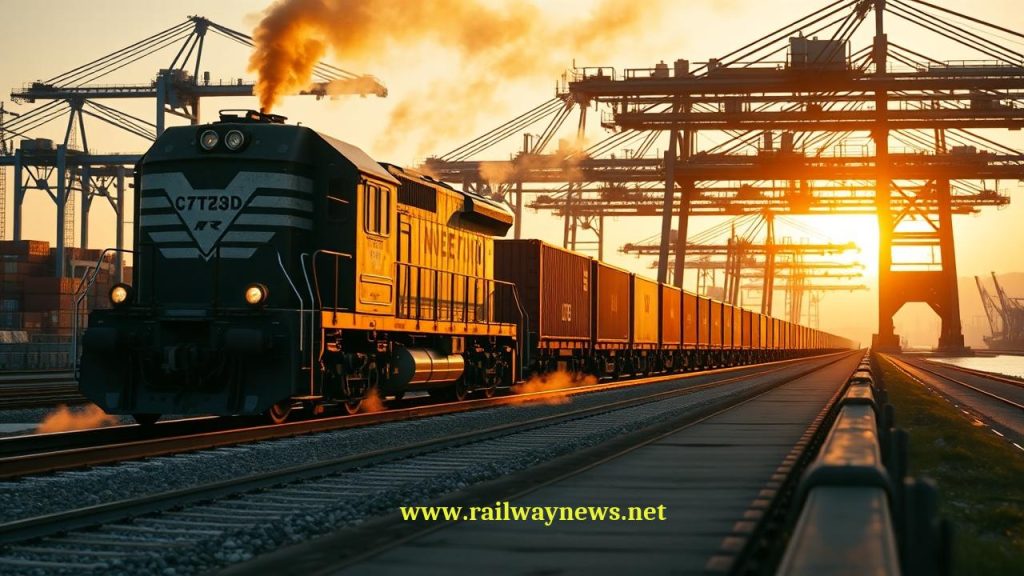
⚡ In Brief: Six rail freight operators signed a shunting cooperation agreement for the Rotterdam Port Railway, piloting through October 2025 under the “Track Together” initiative, using the PortFlow digital app to transfer trains at fixed rates during capacity peaks.
ROTTERDAM, Netherlands – On 14 July 2025, six rail freight operators—Rail Force One, HSL Netherlands, DB Cargo Nederland, RTB Cargo, LTE, and Rail Cargo Group—finalised a mutual shunting agreement covering the entire Rotterdam Port Railway corridor from Kijfhoek to Maasvlakte. The pact introduces pre-agreed fixed rates for operators to take over each other’s trains when schedule deviations occur, directly targeting a reduction in train cancellations and terminal congestion. The agreement will run as a pilot until October 2025, coordinated by the Port of Rotterdam Authority.
What Does This Contract Cover?
The agreement establishes binding administrative and operational rules for the transfer of trains among the six signatories, including a structured contingency plan for immediate activation when capacity bottlenecks arise. It covers all intermediate stations and terminals along the 40‑kilometre corridor, setting out liability, handover protocols, and fixed shunting tariffs. The primary operational tool is the PortFlow app, custom‑developed to handle booking and assignment of train runs between operators in real time.
Key Contract Data
| Parameter | Value |
|---|---|
| Contract Name | Rotterdam Port Railway Shunting Cooperation Agreement (part of “Track Together” initiative) |
| Total Value | Not disclosed |
| Parties Involved | Rail Force One, HSL Netherlands, DB Cargo Nederland, RTB Cargo, LTE, Rail Cargo Group (coordinated by Port of Rotterdam Authority) |
| Timeline / Completion | Pilot phase through October 2025; status thereafter not disclosed |
| Country / Corridor | Netherlands – Rotterdam Port Railway Line (Kijfhoek–Maasvlakte and intermediate terminals) |
How Does This Compare to Similar Contracts?
Rotterdam is not the first major European port to pursue multi‑operator rail cooperation. The Antwerp Railport consortium in Belgium introduced a centralised shunting coordination framework in 2022, which cut average dwell times at intermodal terminals by an estimated 12% within the first year (Source: Antwerpen Railport Annual Report, 2023). In Hamburg, PortRail’s collaborative slot management system—launched in 2021—now covers five operators and has reduced last‑mile rail conflicts by around 9% (Source: Hamburg Port Authority Rail Performance Review, 2024). The Rotterdam agreement differs by embedding fixed takeover rates and a dedicated digital booking app from the outset, making it the first structured, app‑based handover regime across multiple competitors in the Rhine‑Corridor port chain. Broader market indicators support the move: Dutch rail freight volumes are projected to grow by 3.8% annually through 2026, with intermodal services driving nearly half the increase (Source: Netherlands Rail Freight Market Outlook, 2025).
Note: Independent verification of the specific fixed rates and projected cancellation reductions was not available at time of publication.
Editor’s Analysis
The agreement signals a pragmatic shift from siloed competition to pooled resilience on a corridor that handles over 100 weekly intermodal services. By codifying handover rules and pricing, the six operators are essentially creating a formal internal market for last‑mile capacity—something that regulators in other European freight corridors have been slow to enable. The pilot’s outcome will likely inform whether the Port of Rotterdam extends the model beyond October, and if successful, could become a blueprint for other congested rail‑port interfaces such as Duisburg or Genoa. The reliance on a single digital platform also raises questions about data sharing and antitrust boundaries that have not been publicly addressed by the parties.
FAQ
Q: What exactly does the PortFlow app do in this agreement?
A: PortFlow is a digital coordination tool that lets the six operators book, assign, and confirm train handovers in real time when schedules deviate, using pre‑set shunting rates. It is the primary operational interface for the pilot, though its full technical specifications have not been released.
Q: Will this agreement affect freight rates for shippers?
A: The fixed takeover rates cover operator‑to‑operator transactions, not direct shipper contracts. Any impact on end‑user freight prices has not been officially stated, and the pilot’s cost model remains undisclosed.
Q: Is the cooperation limited to the six initial signatories, or can other operators join?
A: The current pilot is closed to the six named operators. The Port of Rotterdam Authority has not confirmed whether the framework will be opened to other rail undertakings after October 2025.

Railway infrastructure, rolling stock and transport technologies specialist focused on global rail industry developments, high-speed rail systems, signaling technologies and freight transportation. Covering railway investments, public transport modernization, rail operations and international mobility projects across Europe, Asia and North America.
RELATED POSTS

October 8, 2026 1:15 pm
Alstom secured a €1bn contract to build 13 automated trains,...

October 1, 2026 7:09 am
United States regulators confirmed a September 30 deadline for the...

October 8, 2026 12:18 pm
Siemens Mobility signed an agreement with VinSpeed to supply 350...

October 4, 2026 5:14 pm
Alstom secured a CA$4.7 billion order from VIA Rail Canada...

October 5, 2026 6:12 pm
AECOM and Jacobs secured a contract in September 2026 to...

October 1, 2026 12:13 am
Illinois approved $1.5 billion annually for the Northern Illinois Transit...