
Rome to Dolomites: Espresso Cadore Slow Train
The new tourist train route connecting Rome to the Dolomites by Ferrovie dello Stato Italiane Group, featuring refurbished rolling stock and a focus on scenic stops, aims to promote slow travel in Italy while revitalizing regional economies through sustainable tourism initiatives.
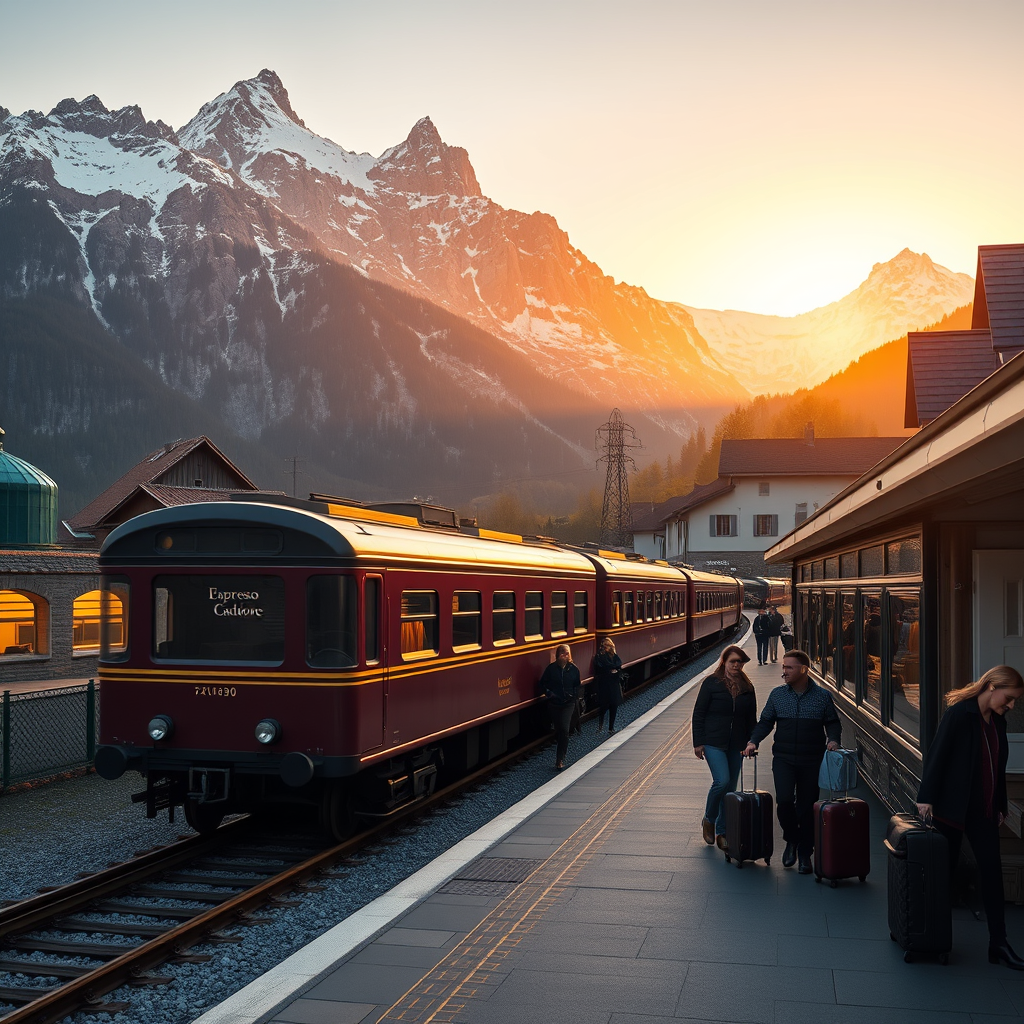
This article explores the recent launch by the Ferrovie dello Stato Italiane (FS) Group of a new tourist train route connecting Rome to the Dolomites, specifically focusing on its operational aspects, economic impact, and the broader strategic implications for promoting “slow tourism” in Italy. The initiative, spearheaded by FS Treni Turistici Italiani (a newly established FS subsidiary), represents a significant shift in the approach to rail tourism, emphasizing a leisurely travel experience over speed and efficiency. The analysis explores the route’s characteristics, the refurbishment of the rolling stock, the projected economic benefits, and the overall strategy behind this novel approach to attracting tourists and revitalizing regional economies. The success of this initiative could potentially serve as a model for other railway operators seeking to diversify their services and tap into the growing market for sustainable and experiential travel.
The “Espresso Cadore”: A Novel Tourist Rail Service
The FS Group’s new tourist train, the “Espresso Cadore,” departs from Roma Termini every Friday at 21:40, arriving in Calalzo di Cadore at 07:57 the following morning. This is not a high-speed service; rather, it emphasizes a scenic journey, stopping at Orte, Orvieto, Treviso, Polpet, and Longarone Zoldo. The final leg to the popular ski resort of Cortina d’Ampezzo involves a 45-minute bus transfer from Calalzo di Cadore. The schedule, running until the end of February, is designed to cater to weekend getaways for tourists heading to the Alps from Rome. The train itself is a carefully curated experience, comprising refurbished sleeper and couchette cars, a dining car, and a revived baggage car for oversized luggage, showcasing the commitment to passenger comfort and convenience.
Refurbishment and Amenities: A Focus on Passenger Experience
The rolling stock for the “Espresso Cadore” is repurposed from Trenitalia’s existing fleet, highlighting the FS Group’s efficient use of resources. The refurbishment is extensive, presented as a meticulous renovation akin to upgrading a family hotel. Luigi Cantamessa, CEO of FS Treni Turistici Italiani, emphasized the quality of the Italian craftsmanship evident in the robust and well-designed carriages. The inclusion of a baggage car for items like tents, canoes, and electric bikes signifies a thoughtful approach to catering to the needs of adventurous tourists, directly aligning with the “slow tourism” ethos.
Economic Impact and Regional Development
The FS Group anticipates substantial economic benefits from this initiative, citing a Bocconi University study indicating that each euro spent on the train service generates between €1.50 and €3.18 in additional spending on local goods and services along the route. This suggests a significant multiplier effect on regional economies, fostering growth in hospitality, retail, and other sectors. The strategy explicitly aims to bolster tourism throughout the region, not only in Cortina d’Ampezzo, but also in the towns and villages along the railway line, promoting balanced regional development.
“Slow Tourism” and Sustainable Travel: A Strategic Vision
The “Espresso Cadore” is more than just a train service; it represents a strategic investment in “slow tourism,” a growing trend emphasizing leisurely travel and immersion in local culture. This approach contrasts with the speed-oriented focus of many modern travel options. The longer journey time, planned stops, and focus on passenger comfort are all integral to this philosophy. By promoting sustainable tourism, the FS Group aligns itself with environmentally conscious travelers and contributes to a more responsible approach to travel and regional development. This initiative showcases the potential of rail transport as a significant contributor to both economic prosperity and environmental sustainability.
Conclusions
The launch of the “Espresso Cadore” by the FS Group marks a significant development in Italian rail tourism. This initiative goes beyond simply providing transportation; it offers a carefully curated travel experience designed around the concept of “slow tourism.” The refurbishment of existing rolling stock demonstrates resourcefulness and a commitment to quality, while the inclusion of amenities like a baggage car caters to the specific needs of adventurous travelers. The strategic focus on regional economic development is evident in projections of significant economic multipliers, showcasing the potential of rail tourism to stimulate local economies. The success of the “Espresso Cadore” hinges on the synergy between a comfortable and scenic journey, the appeal of “slow tourism,” and the inherent economic advantages of diverting tourist spending to numerous locations along the route. The initiative serves as a compelling example of how rail operators can diversify their services, leverage existing assets, and contribute significantly to sustainable regional development, and could potentially influence other railway companies to adopt similar strategies.
The emphasis on passenger experience, the economic benefits, and the alignment with sustainable travel trends all suggest a robust and potentially replicable model for railway-based tourism. The long-term success will depend on ongoing monitoring of passenger numbers, economic impact assessments, and continuous refinement of the service based on customer feedback. However, the initial concept is promising and positions the FS Group as a pioneer in integrating rail transport with a wider strategy for sustainable and experiential tourism. This model could potentially be adapted and implemented in other regions with scenic rail routes, furthering the potential of rail as a key player in sustainable tourism development globally. The initiative warrants close observation as a case study in innovative railway operations and strategic tourism management.

Railway infrastructure, rolling stock and transport technologies specialist focused on global rail industry developments, high-speed rail systems, signaling technologies and freight transportation. Covering railway investments, public transport modernization, rail operations and international mobility projects across Europe, Asia and North America.
RELATED POSTS

October 8, 2026 1:15 pm
Alstom secured a €1bn contract to build 13 automated trains,...

October 1, 2026 7:09 am
United States regulators confirmed a September 30 deadline for the...

October 4, 2026 5:14 pm
Alstom secured a CA$4.7 billion order from VIA Rail Canada...

October 8, 2026 12:18 pm
Siemens Mobility signed an agreement with VinSpeed to supply 350...

October 5, 2026 6:12 pm
AECOM and Jacobs secured a contract in September 2026 to...

October 4, 2026 11:08 pm
Sound Transit confirmed the September 30 opening of Seattle Pinehurst...