
DB’s Leipzig Depot: Second Life Batteries Power Rail
Deutsche Bahn’s Leipzig ICE depot pioneers sustainable rail! Harnessing “Second Life” batteries and solar, DB cuts costs and boosts efficiency.
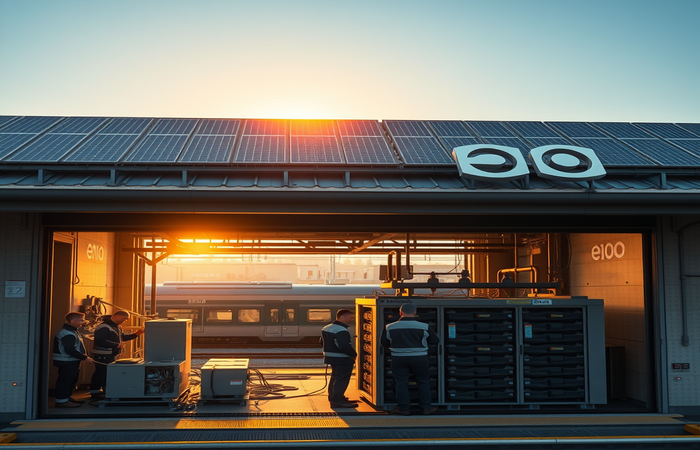
Germany, October 26, 2023 – Deutsche Bahn (DB), Germany’s national railway company, has implemented a pioneering project at its Leipzig ICE depot, integrating a “Second Life” battery storage system with a photovoltaic (PV) array. This innovative initiative marks a significant step towards sustainable energy practices within the railway sector, showcasing DB’s commitment to reducing its carbon footprint and optimizing operational efficiency. This article explores the specifics of this Leipzig project, exploring the technology employed, the benefits realized, and DB’s future plans for expanding this eco-friendly approach across its network. The project highlights the integration of used electric vehicle batteries, demonstrating a circular economy approach while addressing peak load management and reducing energy costs.
Harnessing Renewable Energy: The Leipzig ICE Depot Project
The core of the Leipzig project revolves around a synergistic combination of renewable energy generation and energy storage. A photovoltaic (PV) system, boasting a capacity of approximately 291 kilowatt-peak (kWp), has been strategically installed across three sections of the depot’s buildings. This PV system captures solar energy, converting it into electricity for the depot’s operations. Complementing the solar array is a “Second Life” battery storage system, comprised of 30 used battery modules sourced from eight electric vehicles. These modules, previously utilized in electric cars for about five to seven years, still retain sufficient capacity for stationary energy storage applications. This innovative deployment exemplifies DB’s commitment to sustainability and the circular economy, giving a second life to these valuable resources.
The Technology Behind the System
The “Second Life” battery storage system, developed by encore | DB (an in-house startup of the DB Bahnbau Group), represents a sophisticated integration of technology and environmental consciousness. Each battery module undergoes rigorous testing to ensure functionality before being reassembled into the storage system. This system is designed to communicate seamlessly with the PV array, constantly monitoring the depot’s electricity demand. The system’s intelligent management system optimizes energy usage. When demand surges, particularly during peak load periods (e.g., when trains are tested using grid power instead of overhead lines), the storage system discharges, helping to reduce these costly spikes. Conversely, when the PV system generates more electricity than the depot consumes, the surplus energy is fed back into the public power grid, contributing to the overall energy supply.
Operational and Financial Benefits
The Leipzig project offers significant operational and financial advantages. The combination of the PV system and the battery storage allows the depot to meet approximately a quarter of its electricity needs, reducing its reliance on the public grid. This, in turn, translates into substantial cost savings. DB anticipates saving around EUR 85,000 annually at the Leipzig site due to reduced energy expenses. Moreover, the implementation of this system contributes to DB’s refurbishment program, S3, which aims to ensure that DB’s rail operating companies meet their profitability targets. By providing a reliable and cost-effective power supply, the project contributes to the efficient maintenance and repair of trains, improving their availability and the overall quality of rail services.
Future Expansion and Strategic Vision
Building on the success of the Leipzig project, DB has plans to expand its use of battery storage systems across its network. The Kassel depot of DB Vehicle Maintenance is scheduled to receive a similar system next. The company is actively exploring additional applications of battery storage at its various depots and facilities. This strategic expansion underscores DB’s long-term vision of incorporating sustainable energy solutions into its operations. The program aligns perfectly with the goals of DB’s S3 refurbishment program, which prioritizes reliable, timely, and cost-effective train maintenance. The Leipzig ICE depot primarily services and maintains ICE T and Intercity 2 trains, ensuring these crucial assets remain operational and contribute to the efficiency of the rail network.
Conclusion
The Deutsche Bahn’s initiative at the Leipzig ICE depot provides a compelling model for sustainable energy integration within the railway industry. By combining a photovoltaic system with a “Second Life” battery storage system, DB has successfully reduced its carbon footprint, cut energy costs, and enhanced its operational efficiency. The innovative use of used electric vehicle batteries further exemplifies a commitment to circular economy principles. The project’s success has paved the way for expansion, with plans to implement similar systems at other depots. This proactive approach not only aligns with global sustainability goals but also strengthens DB’s competitiveness and its ability to deliver reliable rail services. Through ongoing investment in such renewable energy projects and innovative technological solutions, DB is actively shaping the future of the rail transport sector, making it more environmentally friendly and efficient.
Short Summary about Companies:
Deutsche Bahn (DB): Germany’s national railway company, responsible for passenger and freight rail transport, as well as infrastructure management. DB is committed to sustainability and is actively investing in renewable energy solutions and technological advancements to enhance its operational efficiency.
DB Bahnbau Group: A subsidiary of Deutsche Bahn, focusing on construction and maintenance services related to railway infrastructure.
encore | DB: An in-house startup of the DB Bahnbau Group, specializing in the development of “Second Life” battery storage systems and other innovative solutions related to energy storage and sustainable practices.

Railway infrastructure, rolling stock and transport technologies specialist focused on global rail industry developments, high-speed rail systems, signaling technologies and freight transportation. Covering railway investments, public transport modernization, rail operations and international mobility projects across Europe, Asia and North America.
RELATED POSTS

October 1, 2026 7:09 am
United States regulators confirmed a September 30 deadline for the...

October 8, 2026 1:15 pm
Alstom secured a €1bn contract to build 13 automated trains,...

October 4, 2026 5:14 pm
Alstom secured a CA$4.7 billion order from VIA Rail Canada...

October 1, 2026 12:13 am
Illinois approved $1.5 billion annually for the Northern Illinois Transit...

October 6, 2026 2:14 am
Union Pacific launched export rail shipments with Ferromex to deliver...

October 1, 2026 6:10 am
Amtrak approved a System Expansion Committee on July 30 to...