
R&N Railroad Ships 1M+ Tons of Anthracite, Fueled by US Steel
Reading & Northern Railroad ships over 1 million tons of anthracite coal, fueled by a 20% surge in US steel demand, showcasing rail’s vital role.
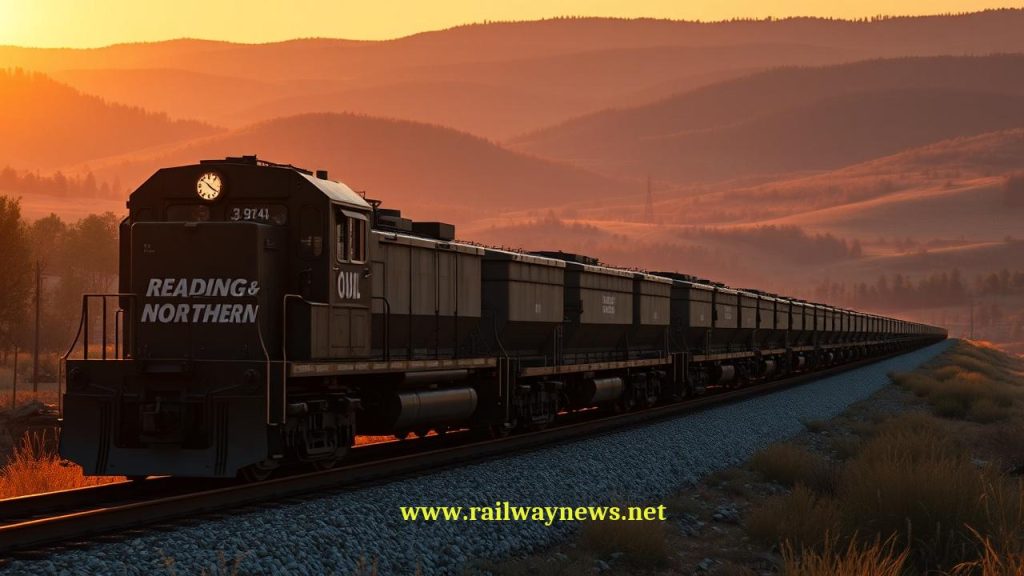
PORT CLINTON, PA – Reading & Northern Railroad (R&N) has successfully shipped over one million tons of anthracite coal for the third consecutive year, a significant achievement driven by surging domestic demand from the American steel industry. This 2025 milestone comes despite a challenging downturn in global export markets and underscores the pivotal role of specialized rail logistics in supporting the growth of modern electric-arc furnace (EAF) steel production.
| Category | Details |
|---|---|
| Company | Reading & Northern Railroad (R&N) |
| Commodity | Anthracite Coal |
| Annual Shipment Volume (2025) | Over 1 million tons (Third consecutive year) |
| Key Growth Driver | Domestic Electric-Arc Furnace (EAF) Steel Mills (+20% in 2025) |
| Fleet Expansion | Purchase of additional covered hopper cars (Delivery: Jan/Feb 2026) |
Main Body:
Reading & Northern Railroad announced it has once again cemented its position as a critical artery for the U.S. industrial supply chain, hauling more than one million tons of Pennsylvania-mined anthracite coal in 2025. This marks the third straight year the regional railroad has surpassed this benchmark. The achievement is particularly noteworthy given a reported downturn in export volumes last year. The backbone of this sustained success is the domestic steel market, where R&N’s anthracite shipments to steel producers grew by an impressive 20% in 2025. To meet this escalating demand, the railroad confirmed the purchase of additional covered hopper cars in December 2025, which will be integrated into its fleet of nearly 2,000 cars upon delivery in early 2026.
The growth is specifically linked to the expansion of electric-arc furnace (EAF) steelmaking, a more modern and often more efficient method than traditional blast furnaces. In the EAF process, high-purity anthracite is not used for fuel but is injected as a vital “charge carbon.” This creates a foamy slag that shields the furnace refractories from intense heat, improves thermal efficiency, and enhances the quality of the finished steel. R&N’s investment in covered hopper cars is crucial, as this equipment protects the processed anthracite from moisture and contamination during transit, ensuring it meets the stringent quality specifications required by EAF mills across the country.
R&N’s performance highlights a key dynamic in the energy and materials sector: while broad market forces and federal policies can influence the coal industry, specific economic realities ultimately drive success. While thermal coal for power generation faces headwinds from more competitive energy sources, the demand for specialized metallurgical-grade products like anthracite is dictated by the health of industrial end-users. R&N’s focus on the EAF steel segment has allowed it to thrive by servicing a growing, high-value domestic market, insulating it from the volatility affecting general commodity exports.
Key Takeaways
- Domestic Demand Overcomes Export Slump: Strong demand from the U.S. steel industry has enabled R&N to achieve record shipments despite a weak international export climate.
- EAF Steel is a Key Growth Engine: The nearly 20% growth in shipments to EAF steel mills demonstrates the increasing importance of this modern production method and its reliance on specialized rail-hauled materials.
- Strategic Fleet Investment is Crucial: R&N’s proactive purchase of new covered hopper cars is a direct response to market demand, ensuring it has the capacity and quality of equipment to serve its growing customer base.
Editor’s Analysis
The success of Reading & Northern is more than just a regional story; it’s a blueprint for how specialized freight rail can prosper in an era of energy transition. While the narrative around coal is often one of decline, R&N demonstrates that a clear distinction must be made between thermal coal for power and high-grade industrial carbons. By becoming an indispensable partner to the growing EAF steel sector—a cornerstone of modern manufacturing and recycling—the railroad has secured a resilient and high-value market niche. This case study proves that for railroads globally, the future lies in identifying and dominating specialized industrial supply chains where reliability, quality, and tailored logistics create undeniable value that transcends broader commodity market fluctuations.
Frequently Asked Questions
- What is driving Reading & Northern Railroad’s success with anthracite coal?
- The primary driver is a nearly 20% growth in demand from domestic electric-arc furnace (EAF) steel mills, which use high-purity anthracite as a key material in their production process.
- Why is anthracite coal important for EAF steel mills?
- Anthracite serves as an essential carbon source in EAF steelmaking. It helps create a protective foamy slag, which improves energy efficiency, protects the furnace lining, and enhances the quality of the final steel product.
- How is R&N responding to the increased demand?
- R&N is investing in its fleet by purchasing additional covered hopper rail cars, which are essential for transporting the anthracite while protecting its quality from the elements. The new cars are expected to be delivered in January or February 2026.

Railway infrastructure, rolling stock and transport technologies specialist focused on global rail industry developments, high-speed rail systems, signaling technologies and freight transportation. Covering railway investments, public transport modernization, rail operations and international mobility projects across Europe, Asia and North America.
RELATED POSTS

October 8, 2026 1:15 pm
Alstom secured a €1bn contract to build 13 automated trains,...

October 1, 2026 7:09 am
United States regulators confirmed a September 30 deadline for the...

October 8, 2026 12:18 pm
Siemens Mobility signed an agreement with VinSpeed to supply 350...

October 4, 2026 5:14 pm
Alstom secured a CA$4.7 billion order from VIA Rail Canada...

October 5, 2026 6:12 pm
AECOM and Jacobs secured a contract in September 2026 to...

October 1, 2026 12:13 am
Illinois approved $1.5 billion annually for the Northern Illinois Transit...