
Railway Operations: Future, Tech & Global Rail System Insights
Here are a few voiceover-friendly excerpts tailored for railway professionals:
**Option 1 (Focus on Operational Management):**
“Mastering **railway operations** means balancing infrastructure, technology, and people. Learn how efficient management keeps trains running smoothly and passengers satisfied.”
**Option 2 (Focus on Technology and Innovation):**
“The future of **railway systems** is here! Explore how data, automation, and cutting-edge tech are reshaping safety, efficiency, and the passenger experience.”
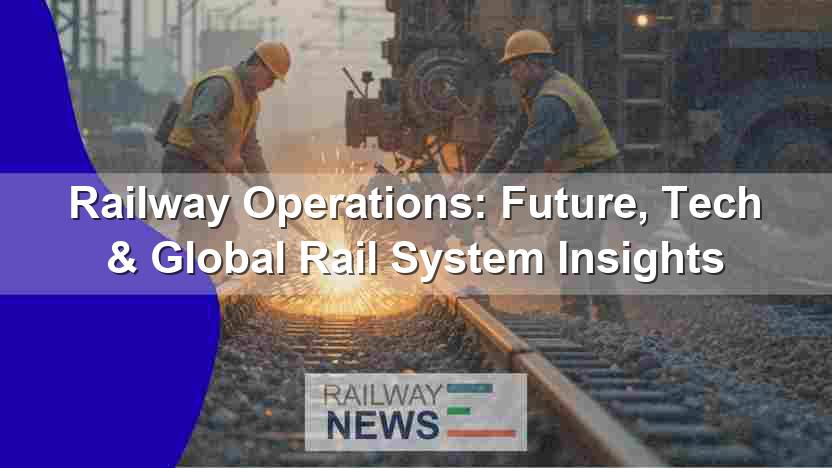
Unveiling the Complexities of Railway Operations: A Deep Dive
The railway industry, a cornerstone of global transportation, operates on a complex interplay of infrastructure, technology, and human expertise. This article explores the intricacies of modern railway systems, exploring the critical aspects that contribute to their efficient and safe operation. We will examine the core components of railway infrastructure, the technological advancements shaping the industry, and the crucial role of operational management. Additionally, we will analyze the challenges and opportunities that lie ahead for railway operators as they navigate an evolving landscape of increasing demand, sustainability concerns, and technological innovation. The focus will be on providing a detailed understanding of the key elements that drive the success of railway systems worldwide, including the operational considerations that directly impact performance and passenger satisfaction.
## The Foundation: Infrastructure and Technology
The foundation of any successful railway system rests upon its infrastructure. This encompasses a wide range of elements, starting with the track itself, which includes rails, sleepers, ballast, and the subgrade. The quality of these components directly impacts the safety, speed, and overall performance of the railway. Regular maintenance and upgrades are critical to prevent degradation and ensure a long lifespan. Beyond the track, the infrastructure includes signaling systems, crucial for controlling train movements and preventing collisions. These systems range from traditional mechanical signals to advanced computerized control systems, utilizing technologies such as Automatic Train Protection (ATP) and Automatic Train Operation (ATO). Power supply systems, including electrification infrastructure (catenary wires and substations), are also essential, particularly for modern electric railway networks.
The integration of technology is transforming the railway industry. Modern railway systems increasingly rely on advanced data analytics and predictive maintenance techniques to optimize performance and minimize downtime. Sensors deployed throughout the infrastructure monitor track conditions, wheel performance, and other critical parameters, providing real-time data for proactive maintenance and preventing potential failures. Digitalization is also playing a significant role, with the implementation of technologies such as the European Rail Traffic Management System (ERTMS), which is designed to enhance safety and capacity through standardized signaling and train control. The use of automation, including driverless trains, is also becoming more prevalent, particularly in urban railway systems.
## Operational Management: The Heart of the System
Efficient operational management is the beating heart of any railway system. This involves a complex web of activities, from train scheduling and crew management to passenger information and incident response. Accurate and reliable timetables are essential for ensuring the smooth flow of trains and minimizing delays. This requires careful planning, considering factors such as track capacity, maintenance schedules, and the anticipated demand for services. Crew management involves the allocation and deployment of train drivers and other personnel, ensuring that they are properly trained and available to operate services safely and efficiently. Passenger information systems, including real-time updates on train locations and potential disruptions, are crucial for providing a positive passenger experience.
Incident management is another critical aspect of operational management. Railway operators must be prepared to respond to a wide range of incidents, from minor delays to major accidents. This requires detailed emergency plans, trained personnel, and effective communication protocols. A well-coordinated response can minimize the impact of incidents on passengers and minimize service disruptions. Real-time monitoring of train movements and infrastructure conditions is essential for detecting potential problems and initiating appropriate responses. The integration of data from various sources, including signaling systems, passenger information systems, and CCTV cameras, enables operators to have a detailed view of the railway network.
## Challenges and Opportunities in the Railway Sector
The railway sector faces several challenges in the 21st century. One of the most significant is the need to increase capacity to meet growing demand. This requires investment in infrastructure upgrades, the implementation of advanced signaling systems, and the optimization of operational processes. The railway industry is also facing the challenge of reducing its environmental impact. The implementation of electric trains and the use of renewable energy sources can significantly reduce carbon emissions. Additionally, the sector must address the need for greater accessibility for passengers with disabilities and the integration of railway systems with other modes of transportation, such as buses and airlines.
The opportunities for growth and innovation in the railway sector are considerable. The development of high-speed rail lines is transforming travel across many countries, offering a faster and more sustainable alternative to air travel. The rise of connected and automated railways presents new opportunities for improving safety, efficiency, and passenger experience. Public-private partnerships (PPPs) are playing an increasingly important role in financing and developing railway projects, allowing for the sharing of risk and expertise between the public and private sectors. The use of data analytics and predictive maintenance is also creating opportunities for optimizing operations and reducing costs. The awarding of the *Arriva Netherlands rail contract* exemplifies the competitive nature of the railway market.
You might be interested in:
Last November 2018, we published an article about EU legal action related to railway safety. Click here to read – EU Sues Bulgaria: Railway Safety Crisis
## The Future of Railways: A Sustainable and Efficient System
To summarize, the success of railway systems depends on a harmonious blend of robust infrastructure, cutting-edge technology, and skilled operational management. From the essential components of track and signaling to the intricate scheduling and passenger information systems, each element contributes to the seamless operation of trains. The industry confronts significant challenges, including the need for increased capacity, environmental sustainability, and enhanced accessibility. However, these challenges are counterbalanced by substantial opportunities for growth and innovation, such as high-speed rail development, connected railway systems, and the increased use of data analytics.
The future of railways is inextricably linked to sustainability. Transitioning to electric trains, powered by renewable energy sources, is crucial to reduce carbon emissions and mitigate climate change. Additionally, the integration of railway systems with other modes of transportation promotes more efficient and environmentally friendly travel networks. As technology continues to advance, further automation and digitalization will improve safety, efficiency, and the passenger experience. The continuous investment in research and development, along with the adoption of innovative solutions, will be essential for maintaining the railway’s central role in global transportation. This will contribute to creating a more sustainable and efficient transportation system for future generations.

Railway infrastructure, rolling stock and transport technologies specialist focused on global rail industry developments, high-speed rail systems, signaling technologies and freight transportation. Covering railway investments, public transport modernization, rail operations and international mobility projects across Europe, Asia and North America.
RELATED POSTS

October 8, 2026 1:15 pm
Alstom secured a €1bn contract to build 13 automated trains,...

October 1, 2026 7:09 am
United States regulators confirmed a September 30 deadline for the...

October 8, 2026 12:18 pm
Siemens Mobility signed an agreement with VinSpeed to supply 350...

October 4, 2026 5:14 pm
Alstom secured a CA$4.7 billion order from VIA Rail Canada...

October 5, 2026 6:12 pm
AECOM and Jacobs secured a contract in September 2026 to...

October 1, 2026 12:13 am
Illinois approved $1.5 billion annually for the Northern Illinois Transit...