
Railway Infrastructure Upgrades: Passenger Experience & Efficiency
Unlock operational efficiency and elevate the passenger experience with railway infrastructure upgrades. Discover how strategic investments in stations, tracks, and trains boost punctuality, safety, and comfort.
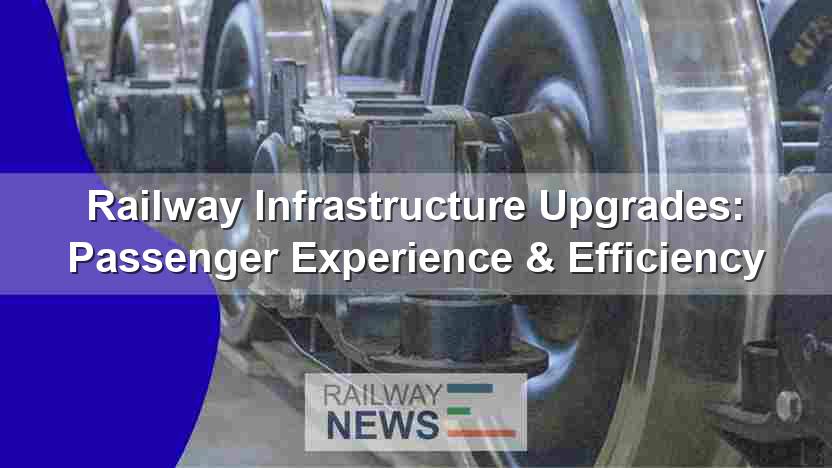
This article explores the multifaceted impact of railway infrastructure upgrades on both the passenger experience and operational efficiency of modern rail networks. From enhancing station facilities and improving track maintenance to implementing cutting-edge signaling systems and deploying advanced train technologies, significant investments in infrastructure are crucial for delivering a superior service. We will examine the intricate interplay between these upgrades, analyzing how they directly affect factors such as journey time reliability, safety, passenger comfort, and overall network capacity. The importance of considering the needs of all stakeholders, including passengers, operators, and the wider community, will be emphasized, demonstrating how effective infrastructure upgrades can create a holistic and positive experience for everyone involved. This analysis explores the current trends and best practices in railway infrastructure development, examining the various factors at play in maximizing efficiency while bolstering the passenger experience.
Optimizing Station Infrastructure for Enhanced Passenger Flow
Modernizing railway stations is paramount to improving the overall passenger experience. Effective station design necessitates careful planning to maximize passenger flow and minimize congestion. This includes strategically placed waiting areas, improved signage and wayfinding systems, and dedicated facilities for accessibility needs. Implementing advanced technologies, such as real-time information displays and automated ticket vending machines, empowers passengers with crucial information and streamlined interactions. Efficient baggage handling systems and integrated transport links (such as bus or tram connections) also contribute significantly to a positive passenger journey and reduce frustration during transfers.
Streamlining Track Maintenance and Signaling Systems
Reliable and efficient railway operation depends fundamentally on maintaining a high standard of track infrastructure. Proactive maintenance strategies, utilizing advanced technologies such as predictive analytics and robotic systems, are vital for minimizing disruptions and ensuring safety. Upgraded signaling systems, including the implementation of advanced train control systems (e.g., CBTC – Communication-Based Train Control), enable higher train frequencies, reduced journey times, and improved overall capacity. This, in turn, directly translates to better punctuality and a more reliable service for commuters.
Impact of Advanced Train Technologies on Passenger Comfort and Operational Efficiency
Advanced train technologies play a crucial role in boosting both passenger comfort and operational efficiency. Investing in modern, energy-efficient rolling stock, incorporating features like enhanced onboard amenities, improved environmental controls, and Wi-Fi connectivity, elevates the passenger experience. Utilizing technologies like automatic train control (ATC) and advanced braking systems significantly improves safety and operational reliability, minimizing the potential for accidents and ensuring a smooth and efficient journey. These factors directly impact the operational cost and service delivery of the network as a whole.
Conclusion: Shaping the Future of Railway Travel through Infrastructure Investment
This analysis highlights the profound impact of railway infrastructure upgrades on the passenger experience and operational efficiency. Modernizing stations, improving track maintenance and signaling, and deploying cutting-edge train technologies are all crucial components of a holistic approach to enhancing railway networks. The benefits of such investments extend beyond the immediate stakeholders, impacting local economies, fostering connectivity, and shaping the future of public transport. The effective integration of these improvements directly influences punctuality, safety, and passenger satisfaction. Considering factors such as accessibility, environmental sustainability, and overall community impact during the planning and implementation stages is essential for ensuring a long-term positive impact and creating a detailed solution for the future of rail travel. Efficient and reliable services are paramount for attracting and retaining passengers, leading to increased ridership and bolstering a robust, interconnected transportation system. By embracing innovation and strategic investment, railway networks can position themselves as vital and attractive modes of transport, creating a seamless and comfortable travel experience. The Waterloo station reopening exemplifies the significance of such initiatives; careful planning, rigorous testing, and well-executed implementation are key components in revitalizing a vital transportation hub, fostering connectivity and enhancing the surrounding area. Ultimately, these improvements contribute to the overall growth and prosperity of communities reliant on efficient rail travel.
You might be interested in:
Last January 2019, we published an article about China’s massive railway expansion project. Click here to read – China’s 6,800km Rail Expansion: A Bold Investment

Railway infrastructure, rolling stock and transport technologies specialist focused on global rail industry developments, high-speed rail systems, signaling technologies and freight transportation. Covering railway investments, public transport modernization, rail operations and international mobility projects across Europe, Asia and North America.
RELATED POSTS

October 8, 2026 1:15 pm
Alstom secured a €1bn contract to build 13 automated trains,...

October 1, 2026 7:09 am
United States regulators confirmed a September 30 deadline for the...

October 8, 2026 12:18 pm
Siemens Mobility signed an agreement with VinSpeed to supply 350...

October 4, 2026 5:14 pm
Alstom secured a CA$4.7 billion order from VIA Rail Canada...

October 5, 2026 6:12 pm
AECOM and Jacobs secured a contract in September 2026 to...

October 1, 2026 12:13 am
Illinois approved $1.5 billion annually for the Northern Illinois Transit...