
Rail Executives 2024: Challenges & Solutions for Global Rail Success
Rail industry executives face crucial 2024 challenges: operational efficiency, infrastructure modernization, and talent acquisition.
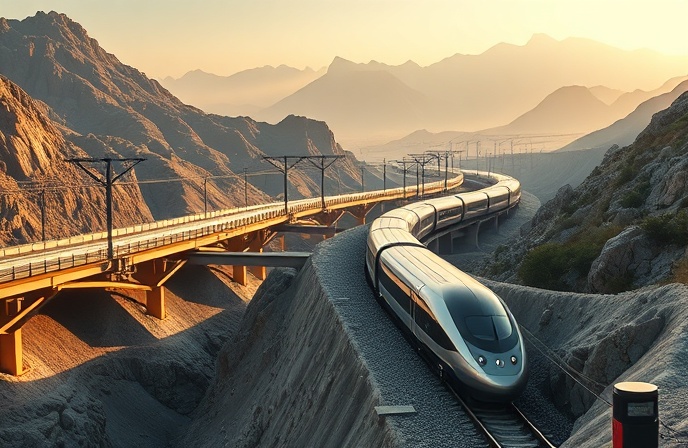
Navigating the Crossroads: Critical Challenges Facing Rail Industry Executives in 2024
The global rail industry stands at a pivotal moment. The demand for efficient, sustainable, and reliable transportation is soaring, presenting unprecedented opportunities. However, navigating the complex landscape of technological advancements, economic pressures, and evolving regulatory frameworks is a monumental task for rail industry executives. This article explores the key challenges facing these leaders today, exploring the critical decisions they must make to ensure the future success and sustainability of their organizations. We will examine the pressures impacting operational efficiency, infrastructure modernization, and the crucial need to attract and retain skilled talent. Our aim is to provide a detailed overview of the challenges and offer insights into potential solutions. The following sections highlight the most pressing concerns confronting rail industry executives and the strategic actions required for long-term viability.
Operational Efficiency and Cost Optimization: A Pressing Imperative
One of the primary concerns weighing heavily on rail industry executives is the need to optimize operational efficiency and reduce costs. This involves a multifaceted approach, including streamlining processes, leveraging advanced technologies, and improving resource allocation. The implementation of advanced analytics, predictive maintenance (PdM), and the Internet of Things (IoT) can significantly enhance operational effectiveness. PdM, for example, allows for proactive identification of potential equipment failures, minimizing downtime and reducing maintenance costs. Additionally, the adoption of digital twins, which create virtual replicas of physical assets, allows for simulations and optimizations before physical implementations. Implementing efficient supply chain management, optimized routing, and effective crew management systems are also crucial. Failure to address these areas can lead to decreased profitability and a diminished competitive edge.
Infrastructure Modernization: Investing in the Future of Rail
Significant infrastructure modernization is paramount to the future growth of the rail industry. This includes upgrades to existing track networks, signaling systems, and station facilities. Funding these projects is often a major hurdle for rail industry executives. Securing government support, exploring public-private partnerships (PPPs), and identifying innovative financing mechanisms are essential. Additionally, the industry must embrace innovative construction methods and materials to accelerate project delivery and minimize disruption. Investing in high-speed rail corridors and upgrading freight lines to accommodate heavier loads and longer trains are also key strategies. Addressing aging infrastructure, often a source of delays and safety concerns, is no longer optional but a necessary strategic investment. The benefits, however, are substantial, including increased capacity, improved safety, and reduced environmental impact.
The Talent Gap: Securing the Workforce of Tomorrow
Attracting, retaining, and developing skilled professionals remains a critical challenge for rail industry executives. An aging workforce coupled with a skills shortage in critical areas, such as engineering, data analytics, and cybersecurity, poses a significant threat to the industry’s long-term sustainability. Strategies to address this include: investing in training and development programs, forging partnerships with educational institutions, and creating attractive compensation packages and career pathways. Promoting the rail industry to younger generations, highlighting its technological advancements and commitment to sustainability, is also crucial. Additionally, embracing diversity and inclusion initiatives can help attract a broader pool of talent and create a more innovative and resilient workforce. Building a strong pipeline of qualified professionals is vital for the industry’s success in the coming years.
Embracing Sustainability: A Core Strategic Imperative
The railway industry is well-positioned to contribute significantly to decarbonization efforts, and rail industry executives are under increasing pressure to embrace sustainable practices. This includes investing in electric and hydrogen-powered locomotives, improving energy efficiency across operations, and adopting sustainable procurement practices. Setting ambitious carbon reduction targets and transparently reporting on progress is becoming increasingly important for attracting investment and maintaining a positive public image. Integrating sustainable practices into all aspects of the business, from infrastructure design to passenger services, will not only reduce environmental impact but also enhance long-term profitability and competitiveness. The future of rail hinges on its ability to be a sustainable and environmentally responsible mode of transport.
Conclusion
The challenges facing rail industry executives in 2024 are complex and multifaceted. Addressing operational efficiency, investing in infrastructure modernization, bridging the talent gap, and embracing sustainability are critical for the long-term health and success of the rail industry. By proactively addressing these challenges, rail leaders can position their organizations for growth and innovation, ensuring their continued relevance in the evolving transportation landscape. The industry’s ability to harness technological advancements, forge strategic partnerships, and prioritize sustainability will determine its future trajectory. Looking ahead, we can expect continued focus on automation, digital transformation, and data-driven decision-making, all contributing to a more efficient, safer, and sustainable rail system, setting the stage for another century of progress for the rail industry.

Railway infrastructure, rolling stock and transport technologies specialist focused on global rail industry developments, high-speed rail systems, signaling technologies and freight transportation. Covering railway investments, public transport modernization, rail operations and international mobility projects across Europe, Asia and North America.
RELATED POSTS

October 1, 2026 7:09 am
United States regulators confirmed a September 30 deadline for the...

October 8, 2026 1:15 pm
Alstom secured a €1bn contract to build 13 automated trains,...

October 4, 2026 5:14 pm
Alstom secured a CA$4.7 billion order from VIA Rail Canada...

October 1, 2026 12:13 am
Illinois approved $1.5 billion annually for the Northern Illinois Transit...
October 6, 2026 2:14 am
Union Pacific launched export rail shipments with Ferromex to deliver...

October 1, 2026 6:10 am
Amtrak approved a System Expansion Committee on July 30 to...