
Rail Crossing Upgrades: Safety & Efficiency for Global Railways
Urgent rail crossing upgrades needed to boost safety and efficiency, focusing on infrastructure modernization and advanced technologies.
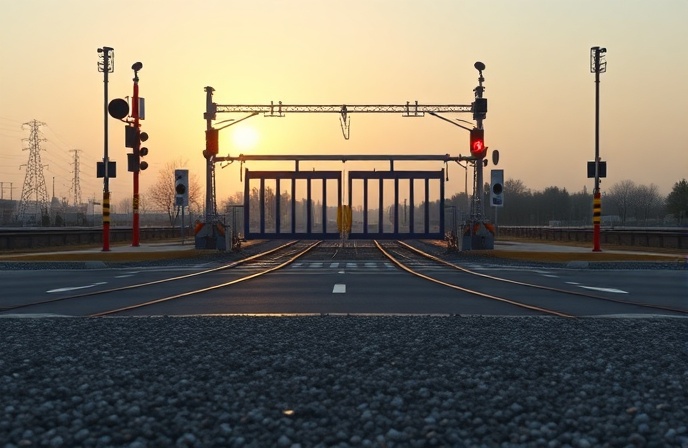
Prioritizing Safety: The Urgent Need for Detailed Rail Crossing Upgrades
Every year, accidents at rail crossings result in fatalities, injuries, and significant disruptions to both rail and road traffic. These incidents, frequently preventable, highlight the critical need for proactive measures to enhance safety and efficiency across the railway network. This article examines the multifaceted approach required for effective rail crossing upgrades, focusing on the latest technologies, infrastructure improvements, and strategic planning essential for protecting lives and optimizing operational performance. This is a critical topic given rising rail traffic volume and aging infrastructure. The core issue addressed will be the detailed assessment, improvement implementation, and continuous maintenance associated with securing these vital interfaces.
Modernizing Infrastructure: A Core Component of Rail Crossing Upgrades
One of the primary strategies in ensuring safer rail crossing upgrades involves significant investment in infrastructure modernization. This begins with a thorough assessment of existing infrastructure, identifying weaknesses in design, maintenance, and signaling systems. Outdated warning systems, such as passive signs and bells, are being replaced with more advanced technologies. These modernizations include the installation of active warning systems featuring flashing lights, automated gates, and advanced detection systems to provide real-time alerts to drivers and pedestrians. The upgrading of track geometry, including the angle of the rail crossing, can also reduce the potential for derailments near the crossings. Moreover, improved pavement markings, rumble strips, and enhanced sightlines are crucial to increase driver awareness and improve visibility at the crossing, especially at night or in inclement weather. Proper drainage systems are also part of this critical infrastructure; standing water can obscure tracks and inhibit the ability of vehicles to stop quickly.
Advanced Technologies Revolutionizing Rail Crossing Safety
Technological advancements are playing a pivotal role in improving the safety of rail crossing upgrades. The implementation of Positive Train Control (PTC) systems is a game-changer, providing a sophisticated layer of protection by monitoring train movements and automatically slowing or stopping trains if they are at risk of colliding with vehicles at crossings or other trains. Additionally, the use of closed-circuit television (CCTV) and remote monitoring systems enables real-time surveillance of rail crossings, allowing for quick responses to incidents and the collection of data for future improvements. Automated gate monitoring is a valuable application of data analytics, identifying anomalies or potential faults, and informing proactive maintenance. These technologies work in concert to create a robust and integrated safety net around rail crossings, significantly reducing the probability of accidents and fatalities. Finally, the evolution of sensors that can detect approaching trains offers improved warning times for vehicular and pedestrian traffic.
Strategic Planning and Community Engagement: The Human Element
Beyond technological and infrastructure improvements, effective rail crossing upgrades demand strategic planning and community involvement. This encompasses detailed traffic studies to identify high-risk locations, detailed risk assessments, and the establishment of priorities for improvement projects. Collaborating with local authorities, emergency services, and community stakeholders is essential for creating public awareness campaigns and providing education on safe crossing practices. These measures include the establishment of robust communication channels, allowing for timely and accurate information dissemination in the event of an incident. Implementing grade separations, where feasible, is also a proactive, long-term strategy to eliminate at-grade crossings altogether, substantially reducing the risk of collisions. Education programs about railway safety and the proper usage of the crossings can play a critical role.
Funding and Regulatory Compliance: The Foundation of Success
Securing adequate funding and ensuring strict adherence to regulatory requirements are fundamental to the success of rail crossing upgrades. This involves actively seeking federal, state, and local funding opportunities, coupled with effective financial management and resource allocation. Compliance with relevant safety standards and regulations, such as those set forth by the Federal Railroad Administration (FRA) in the United States, is non-negotiable. Regular inspections, maintenance programs, and performance evaluations are vital to ensure the continued effectiveness of upgrades. Additionally, industry collaboration and the sharing of best practices are essential for fostering continuous improvement and disseminating innovative approaches to rail crossing safety.
Conclusion
The ongoing effort to enhance rail crossing upgrades is an imperative for the railway industry and its stakeholders. By investing in infrastructure improvements, embracing cutting-edge technologies, fostering community engagement, and ensuring regulatory compliance, railway operators can significantly reduce accidents and protect lives. The implications extend beyond safety; efficient rail crossing operations improve the flow of traffic, both vehicular and rail. Looking ahead, we can anticipate even greater integration of intelligent transportation systems, advanced analytics, and predictive maintenance models to further elevate safety standards. Continued innovation, collaborative partnerships, and a steadfast commitment to safety will be critical to shaping the future of rail crossings and delivering safer, more efficient transport for years to come.

Railway infrastructure, rolling stock and transport technologies specialist focused on global rail industry developments, high-speed rail systems, signaling technologies and freight transportation. Covering railway investments, public transport modernization, rail operations and international mobility projects across Europe, Asia and North America.
RELATED POSTS

October 8, 2026 1:15 pm
Alstom secured a €1bn contract to build 13 automated trains,...

October 1, 2026 7:09 am
United States regulators confirmed a September 30 deadline for the...

October 4, 2026 5:14 pm
Alstom secured a CA$4.7 billion order from VIA Rail Canada...

October 5, 2026 6:12 pm
AECOM and Jacobs secured a contract in September 2026 to...

October 1, 2026 12:13 am
Illinois approved $1.5 billion annually for the Northern Illinois Transit...

October 4, 2026 11:08 pm
Sound Transit confirmed the September 30 opening of Seattle Pinehurst...