
Queensland’s Olympic Rail Plan: Infrastructure & Mode Shift
Queensland’s Brisbane 2032 Olympics transport plan prioritizes public transport to manage visitor influx. Shifting from car dependency is key.
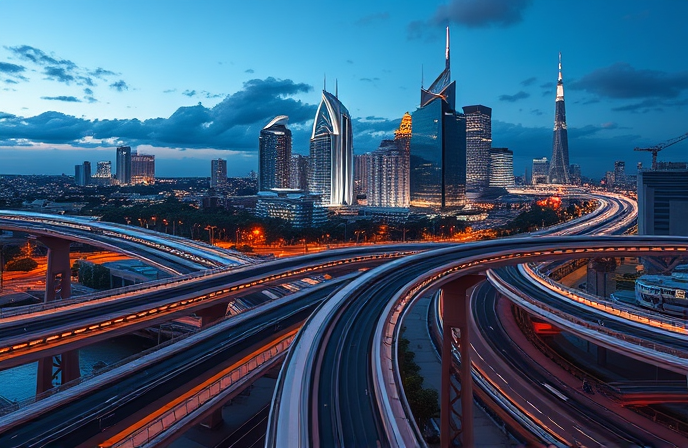
Queensland Faces Transportation Overhaul for Brisbane 2032 Olympics
Queensland is on the cusp of a critical transportation challenge. The state must orchestrate a significant mode shift to successfully host the Brisbane 2032 Olympic and Paralympic Games. Speaking at the Urban Rail 2025 conference in Melbourne this week, Dr. Deborah Hume, Deputy Director-General of the Translink division at the Department of Transport and Main Roads (TMR), emphasized the urgency of moving more people from private vehicles to public transport. The “how” involves leveraging existing infrastructure and introducing new strategies to achieve this transformation. The “when” is now, with the Games rapidly approaching, and the “why” centers on managing the anticipated influx of visitors and ensuring the Games’ success. The “where” is primarily focused on urban areas like Brisbane. The “who” is TMR, in collaboration with local governments like Brisbane City Council. This article will examine the strategies Queensland is employing to encourage this vital shift in transportation habits.
The Imperative for Mode Shift
Dr. Hume’s comments highlighted the necessity of addressing the current reliance on private vehicles. Queensland’s current transportation landscape, characterized by a significant number of commuters using personal cars, presents a major bottleneck for the smooth operation of the Games. “We’re not going to make it to the Olympics quite right if we don’t get some mode shift,” she stated. This means encouraging residents to utilize public transportation alternatives like buses, trains, and trams. Failure to do so risks overwhelming the existing infrastructure and creating logistical nightmares during the Games. The core challenge lies in persuading a population accustomed to car dependency to adopt a different commuting behavior. TMR is working closely with the local councils to create strategies to combat this and ensure a successful Olympics.
Leveraging “The Sticks” and “The Carrots”
Historically, the state has employed “carrots,” incentives, and encouragements to try and shift traffic. However, according to Dr. Hume, the time has come to employ “sticks.” This shift signifies the implementation of more decisive measures designed to disincentivize the use of private vehicles, particularly in urban centers. These “sticks” could include a combination of measures such as increased parking fees, congestion charges, and stricter enforcement of existing traffic regulations. While the exact details of these measures are still under development, the core objective is to make using public transport more convenient and less expensive. These initiatives will require significant cooperation between TMR and local governments, a collaboration crucial for the successful implementation of these strategies.
Optimizing Existing Infrastructure
Given that “no extra money” is being allocated for the Olympics, maximizing the efficiency of existing infrastructure is paramount. This includes optimizing the capacity of existing rail lines, bus routes, and tram networks. This may involve implementing measures such as increasing train frequencies during peak hours, improving signaling systems to reduce delays, and investing in smart traffic management systems to improve overall traffic flow. Surge capacity will need to be a key consideration; although the Olympics will create a temporary surge in demand, the transportation infrastructure must be able to handle the volume and the needs of the community for the long term. This will need to be done on a tight budget, requiring creative solutions and a focus on long-term value.
Legacy and Long-Term Vision
The Brisbane 2032 Olympics will serve as a catalyst for long-term improvements to the state’s public transportation network. The investment in infrastructure improvements and behavior changes during this time will benefit the entire community for many years after the games conclude. These legacy improvements are vital in reducing traffic congestion and enhancing the overall quality of life for Queensland residents. While the immediate focus is on the Olympics, TMR recognizes the importance of establishing a sustainable transportation system that will continue to serve the state long after the final event.
Conclusion
Queensland faces a significant challenge in preparing its transportation infrastructure for the Brisbane 2032 Olympic and Paralympic Games. The need for a major mode shift, with a focus on persuading more people to use public transport, is at the forefront of the state’s strategic planning. The transition will require a multi-faceted approach, including leveraging existing infrastructure, implementing “sticks” and “carrots,” and collaborating effectively with local government entities. The state must make a significant impact if it wants to achieve its transportation goals for the Games. Industry-wide, the focus on these sustainable solutions for rapid, high-volume transportation infrastructure will set a precedent for other large-scale events, offering insights into effective traffic management and transit optimization. The long-term success of these efforts hinges on the state’s ability to balance the demands of the Games with the broader transportation needs of its residents, paving the way for a more sustainable and efficient transportation system for generations to come.

Railway infrastructure, rolling stock and transport technologies specialist focused on global rail industry developments, high-speed rail systems, signaling technologies and freight transportation. Covering railway investments, public transport modernization, rail operations and international mobility projects across Europe, Asia and North America.
RELATED POSTS

October 8, 2026 1:15 pm
Alstom secured a €1bn contract to build 13 automated trains,...

October 1, 2026 7:09 am
United States regulators confirmed a September 30 deadline for the...

October 8, 2026 12:18 pm
Siemens Mobility signed an agreement with VinSpeed to supply 350...

October 4, 2026 5:14 pm
Alstom secured a CA$4.7 billion order from VIA Rail Canada...

October 5, 2026 6:12 pm
AECOM and Jacobs secured a contract in September 2026 to...

October 1, 2026 12:13 am
Illinois approved $1.5 billion annually for the Northern Illinois Transit...