
Queensland Rail: Bridge Strike Prevention Insights & Safety
Queensland Rail launches bridge strike prevention blitz, featuring graphic footage of collisions, to improve safety and reduce costly delays.
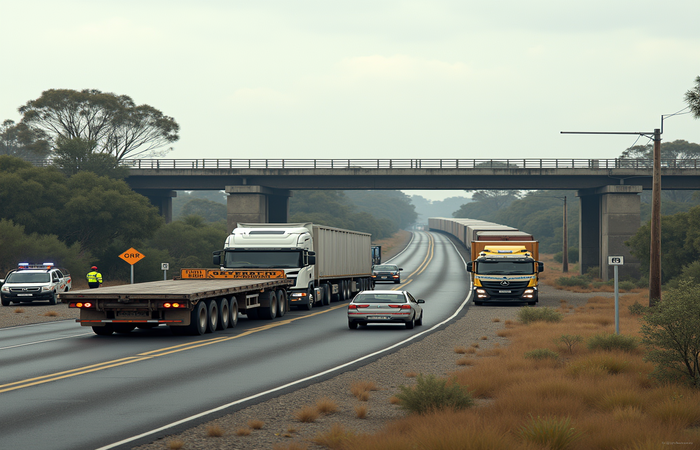
Queensland Rail Launches Bridge Strike Prevention Blitz Following Harrowing Footage
Queensland Rail (QR), in collaboration with the National Heavy Vehicle Regulator (NHVR) and the Queensland Police Service (QPS), has initiated a high-visibility campaign to combat the persistent issue of bridge strikes across the state’s rail network. The campaign, launched this week, is a direct response to an alarming trend of collisions, fueled by a rise in heavy vehicle traffic and, in some cases, driver inattention or inadequate route planning. The initiative will involve increased patrols, targeted educational programs, and a public awareness campaign. The primary goal is to reduce the number of bridge strikes, which pose significant risks to both rail and road users, and incur substantial costs for repairs and delays. This article will examine the specifics of the campaign, the underlying issues, and the potential impact of these efforts.
Confronting the Reality: The Campaign’s Core
The centerpiece of the bridge strike prevention blitz is the release of graphic video footage capturing actual bridge strike incidents. These visual aids are intended to serve as a stark warning to heavy vehicle drivers, illustrating the devastating consequences of misjudging clearance heights. The released clips showcase incidents where vehicles, including delivery trucks and construction equipment transported on flatbeds, have collided with rail bridges, resulting in extensive damage and, in several near misses, putting pedestrians and other motorists at risk. The footage highlights the urgency of the situation and the importance of preventative measures. By releasing these videos, QR, the NHVR, and QPS hope to shock drivers into adopting safer driving practices and route planning methodologies.
Understanding the Hazards: Risk Factors and Contributing Issues
Several factors contribute to bridge strikes. These include driver error, such as failing to check vehicle height against bridge clearance signs; inadequate route planning, especially when operating oversized vehicles; and, in some instances, a lack of awareness of the rail network’s infrastructure. Additionally, the proliferation of GPS navigation systems that may not always provide accurate height restrictions poses an additional challenge. Height restriction signs, which include a minimum clearance height for a specific bridge, are often the last line of defense. Height should be cross-checked against the vehicle’s physical measurements before the driver enters a bridge area. Addressing these root causes requires a multifaceted approach, encompassing education, enforcement, and infrastructure improvements.
Proactive Measures: Campaign Initiatives and Enforcement Strategies
The current campaign combines several key strategies. Increased presence from the QPS, with officers positioned at locations known for bridge strike occurrences, is critical. This enhanced enforcement effort will concentrate on spot checks of vehicle heights and driver documentation, along with the issuance of fines or other penalties to drivers found to be in violation. Simultaneously, the NHVR and QR are partnering to provide educational resources to the heavy vehicle industry. This includes workshops, training programs, and the distribution of informative materials, such as height awareness guides and route planning checklists. QR is also evaluating the current visibility and placement of bridge clearance signs to enhance their effectiveness.
Long-Term Impact: Safety, Cost, and Network Reliability
The successful implementation of this bridge strike prevention blitz is crucial for several reasons. First and foremost, it is about public safety. Reducing the number of bridge strikes will mitigate the risk of serious injury or loss of life for both road and rail users. Secondly, bridge strikes result in significant financial costs. Repairing damaged infrastructure, including rail tracks, bridge components, and signal systems, is extremely expensive and often involves costly disruption. Lastly, these incidents can cause substantial delays to train services, impacting freight and passenger transportation schedules. Reducing bridge strikes will therefore improve the efficiency and reliability of the QR network.
Conclusion
The Queensland Rail, NHVR, and QPS partnership is a proactive step towards addressing a persistent problem within the Queensland transport network. The released footage is a stark reminder of the potential danger of collisions. The combined efforts, from increased law enforcement to targeted educational programs, provide a detailed approach to a critical issue. The success of this initiative will be contingent upon the participation of all stakeholders. The heavy vehicle industry, in particular, must embrace the awareness campaign and institute rigorous route planning and height verification procedures. Continued collaboration between QR, the NHVR, and the QPS is crucial for fostering a culture of safety and reducing the risk of future incidents. Long-term benefits of these measures will reach the Queensland economy in the reduction of delays, savings on repairs, and improved safety. Further, QR can consider incorporating other new technologies, such as sensors that provide real-time warnings to drivers when their vehicles approach potentially hazardous locations.
Company Summary: Queensland Rail
Queensland Rail (QR) is a state-owned corporation responsible for operating passenger and freight rail services throughout Queensland, Australia. As a major player in the state’s transportation infrastructure, QR manages a vast network of tracks, bridges, and signaling systems. QR plays a critical role in moving freight across the state. Its continued operation relies on the safety and efficiency of the infrastructure. The company is focused on providing a safe, efficient, and reliable service while improving infrastructure through proactive maintenance and upgrades.

Railway infrastructure, rolling stock and transport technologies specialist focused on global rail industry developments, high-speed rail systems, signaling technologies and freight transportation. Covering railway investments, public transport modernization, rail operations and international mobility projects across Europe, Asia and North America.
RELATED POSTS

October 8, 2026 1:15 pm
Alstom secured a €1bn contract to build 13 automated trains,...

October 1, 2026 7:09 am
United States regulators confirmed a September 30 deadline for the...

October 4, 2026 5:14 pm
Alstom secured a CA$4.7 billion order from VIA Rail Canada...

October 1, 2026 12:13 am
Illinois approved $1.5 billion annually for the Northern Illinois Transit...

October 1, 2026 6:10 am
Amtrak approved a System Expansion Committee on July 30 to...
October 5, 2026 1:13 pm
New York MTA confirmed a late 2026 DEIS release for...