
Queensland Intersection: Cane Train Safety Upgrade for Rail, Road
Queensland intersection near cane train line gets crucial safety upgrades. Five crashes in recent years prompted intervention. New traffic signals, improved lighting, and synchronized rail crossings planned.
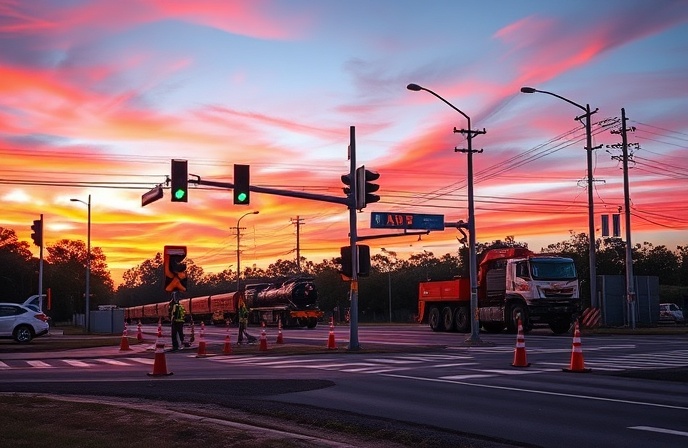
Queensland Intersection Set for Critical Safety Overhaul Near Cane Train Line
A dangerous road intersection in Queensland, located just meters from a heavily-used cane train line, is finally slated for a detailed safety upgrade following years of serious incidents. Between May 2019 and May 2024, the intersection of Bundaberg Ring Road and Telegraph Road witnessed five crashes resulting in major injuries. The Queensland State Government, responding to community concerns, is implementing a series of critical improvements under its Targeted Safety Intervention Program. This article will explore the specifics of the planned upgrades, the rationale behind them, and their anticipated impact on both road and rail safety. The upgrades aim to mitigate risks associated with the intersection’s proximity to the active cane train line and increasing road traffic.
The Catalyst: A History of Accidents and Community Concerns
The intersection of Bundaberg Ring Road and Telegraph Road has a concerning history. The five recorded major injury crashes over a five-year period highlight a significant safety deficiency. This, coupled with a substantial increase in traffic volume and active transport (walking and cycling) due to new residential developments, has amplified the risks. The intersection’s location, adjacent to a busy cane train line and a local high school, raises the stakes. Community members, including parents, teachers, and local motorists, have voiced considerable concerns, advocating for urgent safety measures to be implemented. This pressure led to the State Government’s decision to undertake the announced upgrades. These are designed to mitigate risks associated with the intersection’s proximity to the active cane train line and increasing road traffic.
Upgrades: Key Features of the Intervention
The planned safety improvements are designed to address the root causes of the intersection’s safety problems. The primary upgrades include the installation of traffic signals. This will provide a more structured and regulated flow of traffic, improving driver awareness and reaction times. Enhancements to lighting and signage will also be made to improve visibility, particularly during nighttime and inclement weather conditions. Crucially, the new traffic signals will be fully synchronized with the existing rail crossing signals. This coordination is essential to prevent conflicts between road and rail traffic, ensuring the safety of motorists and rail operators alike. The Department of Transport and Main Roads is aiming to commence construction “as soon as possible,” with specific timeframes dependent on the procurement of a suitable contractor and coordination with the local cane industry.
Addressing the Intersection with the Cane Train Line
The proximity of the intersection to the cane train line presents unique challenges. Cane trains, typically operating during the harvest season, are a vital part of the regional economy, transporting harvested sugarcane to processing facilities. The timing of these trains can vary. Coordinated synchronization of the new traffic signals with the existing rail crossing system is vital. This requires sophisticated signaling technology and seamless communication between the road and rail infrastructure. Careful planning is needed to ensure these upgrades minimize any disruption to the cane industry’s operations and ensure all stakeholders, including pedestrians, are kept safe. Minimizing the impact to rail operations during upgrades is another key element.
Voices of Support and the Road Ahead
Member for Burnett Stephen Bennett has welcomed the safety upgrade, emphasizing its long-overdue nature. He highlighted the obvious safety risks, the previous accidents, and the community’s expressed concerns. He acknowledged the importance of the new traffic lights, protecting the safety of hundreds of daily motorists, pedestrians, and rail operators. The support from the community underscores the importance of these upgrades. This upgrade represents a step towards ensuring a safer transport environment for the entire community.
Conclusion
The planned safety upgrades to the Bundaberg Ring Road and Telegraph Road intersection represent a critical intervention to address a dangerous situation. The detailed approach, incorporating traffic signals, improved lighting and signage, and, most importantly, synchronization with the cane train crossing, offers a multi-faceted solution to the existing safety challenges. The timely implementation and effective coordination with the cane industry are crucial to ensuring the project’s success. This upgrade reflects the increasing focus on road safety and collaboration between government agencies and industry partners. The positive response from the community and the acknowledgement of the long-overdue nature of the upgrades indicate a widespread recognition of the importance of these measures. The successful completion of this project could serve as a model for other intersections located near rail lines, thus paving the way for safer road and rail transport environments throughout the country. The future outlook is a significantly safer road network.

Railway infrastructure, rolling stock and transport technologies specialist focused on global rail industry developments, high-speed rail systems, signaling technologies and freight transportation. Covering railway investments, public transport modernization, rail operations and international mobility projects across Europe, Asia and North America.
RELATED POSTS

October 1, 2026 7:09 am
United States regulators confirmed a September 30 deadline for the...

October 8, 2026 1:15 pm
Alstom secured a €1bn contract to build 13 automated trains,...

October 4, 2026 5:14 pm
Alstom secured a CA$4.7 billion order from VIA Rail Canada...

October 1, 2026 12:13 am
Illinois approved $1.5 billion annually for the Northern Illinois Transit...

October 6, 2026 2:14 am
Union Pacific launched export rail shipments with Ferromex to deliver...

October 1, 2026 6:10 am
Amtrak approved a System Expansion Committee on July 30 to...