
Public Transit Safety: Best Practices, Technologies & Future Trends
Railway safety is paramount. New technologies and robust safety culture, including ATP and PTC, are crucial for enhancing public transit.
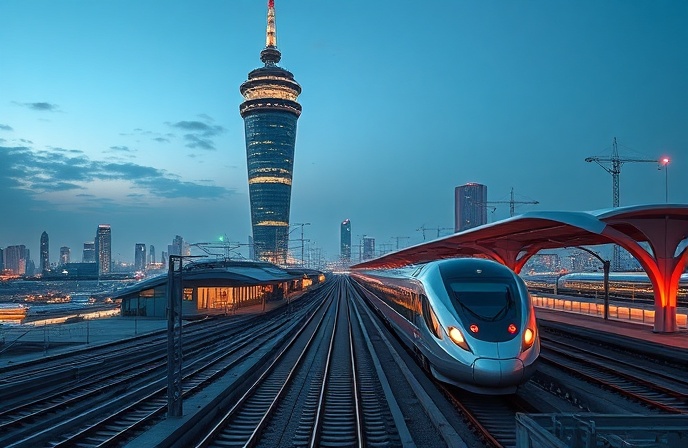
Prioritizing Public Transit Safety: A Detailed Guide for Railway Professionals
In an era where passenger volume and infrastructure demands are rapidly increasing, public transit safety has become paramount. This is not merely a matter of regulatory compliance; it’s a critical responsibility for railway professionals worldwide. This article will explore the multifaceted nature of public transit safety, examining the critical components, operational strategies, and technological advancements designed to safeguard both passengers and railway employees. We’ll delve into the “who,” “what,” “when,” “where,” “why,” and “how” of robust safety programs, focusing on practical solutions and future trends impacting the railway industry. The primary focus of this article is to provide railway professionals with a detailed overview of current best practices and emerging technologies in the quest for enhanced public transit safety.
Building a Foundation: Core Components of a Robust Safety Culture
A proactive safety culture is the cornerstone of effective risk management in the railway sector. This entails creating an environment where safety is not just a priority, but a deeply ingrained value. This begins with detailed training programs for all railway personnel, covering areas like safe operating procedures, hazard identification, and emergency response protocols. Regular refresher courses and competency assessments are crucial for maintaining skill levels and ensuring compliance. Additionally, clear communication channels, a robust incident reporting system, and a culture of accountability are vital for fostering a workplace where potential risks are promptly addressed and lessons learned are shared across the organization. Establishing a formal Safety Management System (SMS), aligned with standards like those outlined by the Federal Railroad Administration (FRA) or similar regulatory bodies, is fundamental. The SMS will allow for the planning, organization, and control of all safety-related activities.
Advanced Technologies and Their Role in Enhancing Public Transit Safety
Technological advancements are playing a pivotal role in revolutionizing public transit safety. Automated Train Protection (ATP) systems, which automatically stop a train if it exceeds speed limits or violates signal indications, are widely implemented. Likewise, Positive Train Control (PTC) is becoming increasingly commonplace across North American railways. PTC systems prevent train-to-train collisions, derailments due to excessive speed, and incursions into work zones. Advanced signaling systems, including Communications-Based Train Control (CBTC), also offer enhanced real-time monitoring and control capabilities. Moreover, the rise of predictive maintenance, utilizing sensors and data analytics to identify potential equipment failures before they occur, minimizes disruptions and reduces the risk of accidents caused by mechanical failures. The integration of video surveillance and artificial intelligence (AI) further contributes to safer operations by enabling real-time monitoring, threat detection, and rapid incident response.
Addressing Human Factors: Mitigating Risks Associated with Personnel
Human error remains a significant contributing factor in railway incidents. Addressing human factors is therefore critical in achieving optimal public transit safety. This requires a multifaceted approach. Regular physical and psychological health assessments for railway employees are imperative. Fatigue management programs are essential; this includes strict adherence to work-hour rules and implementing strategies to mitigate the effects of fatigue, such as providing adequate rest facilities and ensuring employees receive proper nutrition. Ergonomic design of workstations and operating environments can also minimize the risk of injury. Additionally, investing in detailed training programs that focus on situational awareness, decision-making under pressure, and error management is crucial. Regular audits and reviews of operational procedures also help identify areas for improvement and potential weaknesses in safety protocols.
Incident Response and Emergency Preparedness: Strategies for Managing Railway Emergencies
Effective emergency preparedness is a non-negotiable aspect of public transit safety. This involves developing and regularly updating detailed emergency response plans that encompass various potential scenarios, including derailments, fires, and terrorist threats. These plans should clearly define roles and responsibilities for all personnel and outline protocols for coordinating with emergency services, such as fire departments, police, and ambulance services. Conducting regular drills and simulations is crucial for testing the effectiveness of emergency response plans and ensuring that all personnel are familiar with their roles and responsibilities. Utilizing advanced communication systems, such as two-way radios and real-time passenger information systems, is critical for providing passengers with timely and accurate information during an emergency. A robust system for post-incident investigation and analysis allows for the identification of root causes, the development of corrective actions, and the prevention of future incidents.
Conclusion
In summary, achieving and maintaining optimal public transit safety requires a multifaceted approach encompassing a robust safety culture, cutting-edge technology, human factors considerations, and detailed emergency preparedness plans. The railway industry must continue to prioritize investment in safety, embracing innovation and best practices to reduce risks and improve passenger and employee well-being. The implications of prioritizing safety resonate beyond mere regulatory compliance. It contributes to enhanced operational efficiency, reduced costs associated with incidents, and a boost in public confidence in the railway system. The ongoing advancements in technology, such as AI-powered predictive maintenance and enhanced signaling systems, hold significant promise for further improving public transit safety in the coming years. We can anticipate continued evolution in safety standards and practices to keep pace with growing passenger volumes and the complexity of railway operations, with an increasing focus on proactive risk management and data-driven decision-making.

Railway infrastructure, rolling stock and transport technologies specialist focused on global rail industry developments, high-speed rail systems, signaling technologies and freight transportation. Covering railway investments, public transport modernization, rail operations and international mobility projects across Europe, Asia and North America.
RELATED POSTS

October 8, 2026 1:15 pm
Alstom secured a €1bn contract to build 13 automated trains,...

October 1, 2026 7:09 am
United States regulators confirmed a September 30 deadline for the...

October 4, 2026 5:14 pm
Alstom secured a CA$4.7 billion order from VIA Rail Canada...

October 5, 2026 6:12 pm
AECOM and Jacobs secured a contract in September 2026 to...

October 1, 2026 12:13 am
Illinois approved $1.5 billion annually for the Northern Illinois Transit...

October 4, 2026 11:08 pm
Sound Transit confirmed the September 30 opening of Seattle Pinehurst...