
Nokia Contracts ProRail for Cloud-Native GSM-R Network Upgrade in
Nokia contracts ProRail to modernize Dutch railway GSM-R network, upgrading to cloud-native architecture for improved efficiency and passenger safety.
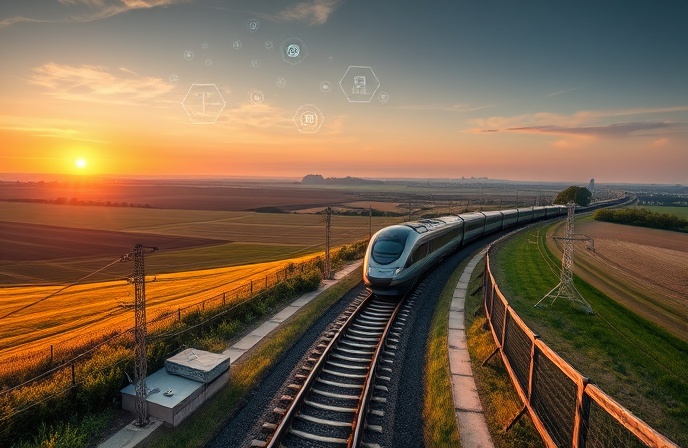
Nokia Awarded Contract to Modernize ProRail’s GSM-R Network
In a significant move to modernize its critical railway communication infrastructure, Dutch rail infrastructure manager ProRail has awarded Nokia a contract to upgrade its Global System for Mobile Communications – Railway (GSM-R) core network. The announcement, made on August 6, 2025, marks a pivotal step in ProRail’s transition towards a cloud-native architecture, enhancing operational efficiency and preparing the network for the future of railway communication. This project, encompassing the supply, installation, and maintenance of Nokia’s Cloud Platform, will modernize the core network across the Netherlands, ensuring safer and more reliable services for millions of passengers. The transition to cloud-based infrastructure promises reduced downtime and improved railway services for ProRail. This article will delve into the specifics of this initiative, exploring the technological advancements, strategic implications, and industry significance of this critical infrastructure upgrade.
Cloud-Native GSM-R: The Core of Modernization
The heart of this project lies in the implementation of a cloud-native GSM-R core network. GSM-R, the standard for secure railway communications, is essential for voice and data transmission used in train control and operations. Nokia will deploy its detailed Nokia Cloud Platform, including essential components such as the Nokia assurance centre, packet core, registers, intelligent network, and data centre fabric. This cloud-based approach offers several benefits. Firstly, it allows for centralized management and control, streamlining operations and enhancing network resilience. Secondly, it provides a flexible and scalable foundation for future upgrades and technological integration. This transformation represents a move from a traditional, hardware-based infrastructure to a more agile and adaptable platform. The migration to the cloud lays the groundwork for the next decade of GSM-R operation and provides a smooth transition towards the Future Railway Mobile Communication System (FRMCS).
Enhancing Network Management and Automation
Alongside the core network upgrade, the project incorporates significant enhancements to network management capabilities. Nokia’s MantaRay NM, a unified network management system, will be upgraded to improve efficiency and offer greater insight into network performance. Additionally, the project includes the Archive Cloud solution, automating backup and restoration of network elements. These enhancements contribute to operational efficiency and ensure network availability by minimizing downtime. Additionally, Nokia Network Services Platform will be incorporated to automate IP, optical, and microwave networks, contributing to faster and more efficient railway communications. These advancements are crucial as rail infrastructure operators prepare for GSM-R lifecycle extensions and strategize the migration to FRMCS across Europe and globally.
Strategic Implications and Industry Context
This project underscores the broader trend of railway operators embracing cloud-based solutions for mission-critical infrastructure. The migration to a cloud-native architecture aligns with ProRail’s strategic goals of improved service reliability and operational efficiency, as well as preparing for FRMCS. The transition is particularly timely, given the impending GSM-R lifecycle extensions and the widespread industry focus on transitioning to FRMCS. This also demonstrates the readiness of cloud-native solutions to support critical infrastructure. Moreover, the project emphasizes the crucial role of secure and reliable communications in railway operations. ProRail’s initiative, alongside Transport for London’s recent upgrade of its communications system, underscores the ongoing commitment of rail operators to leveraging advanced technologies to enhance safety, streamline operations, and provide a better passenger experience.
Future Outlook: Towards FRMCS and Beyond
The successful implementation of this project will pave the way for ProRail to seamlessly transition to FRMCS, which offers enhanced data speeds, improved integration, and increased safety measures. The upgrade to a cloud-native GSM-R core network ensures ProRail’s communication systems will remain secure, reliable, and open to future innovation. The transition is timely, given the broader European focus on FRMCS migration. Emanuele Di Liberto, Head of Global Rail Business at Nokia, stated that railways are a cornerstone of green and efficient mobility. This project, therefore, is a vital step towards securing a sustainable transport infrastructure. As the railway industry continues to evolve, embracing technologies like cloud computing is critical for ensuring that railway networks remain at the forefront of innovation and operational excellence.
Conclusion
The contract between ProRail and Nokia marks a significant milestone in the modernization of railway communication systems. By embracing cloud-native technologies and upgrading its GSM-R core network, ProRail is ensuring a more reliable, efficient, and future-proof communication infrastructure. The project highlights the industry-wide shift towards cloud-based solutions, emphasizing the importance of adaptability and scalability. This migration is not just about technological advancements; it is about improving passenger safety, streamlining operations, and preparing for the future of railway communications, with the promise of smoother transitions to FRMCS. This undertaking is a testament to Nokia’s commitment to investing substantially in the development of GSM-R. The insights gained from this initiative will prove invaluable, serving as a blueprint for other railway operators worldwide looking to upgrade their communication networks and optimize their operational efficiency. The collaborative effort signifies the growing importance of partnerships in the rail industry.

Railway infrastructure, rolling stock and transport technologies specialist focused on global rail industry developments, high-speed rail systems, signaling technologies and freight transportation. Covering railway investments, public transport modernization, rail operations and international mobility projects across Europe, Asia and North America.
RELATED POSTS

October 8, 2026 1:15 pm
Alstom secured a €1bn contract to build 13 automated trains,...

October 1, 2026 7:09 am
United States regulators confirmed a September 30 deadline for the...

October 8, 2026 12:18 pm
Siemens Mobility signed an agreement with VinSpeed to supply 350...

October 4, 2026 5:14 pm
Alstom secured a CA$4.7 billion order from VIA Rail Canada...

October 5, 2026 6:12 pm
AECOM and Jacobs secured a contract in September 2026 to...

October 1, 2026 12:13 am
Illinois approved $1.5 billion annually for the Northern Illinois Transit...