
Porterbrook’s £250M Rail Investment: Modernizing UK Trains
Porterbrook’s £250 million investment modernizes UK rail, boosting efficiency and sustainability. Discover how this shapes the future!
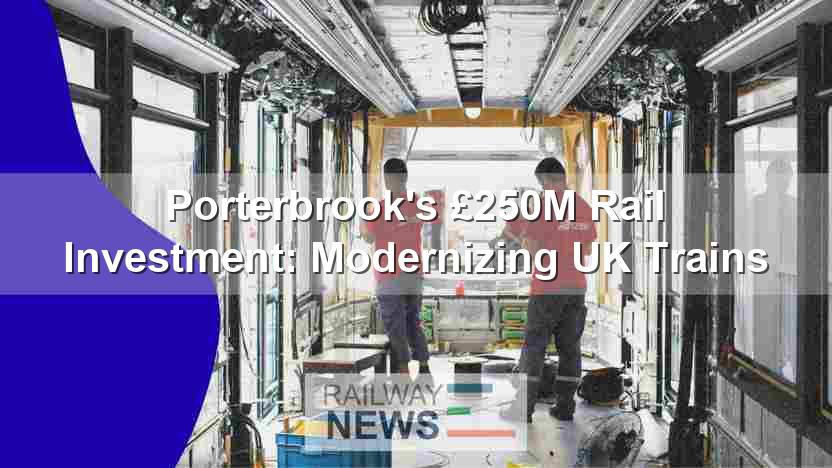
The UK rail industry is undergoing a period of significant transformation, driven by the need for increased capacity, improved efficiency, and a commitment to environmental sustainability. This article examines the strategic move by Porterbrook, a leading train leasing company in the UK, to secure £250 million in funding. This substantial investment underscores the company’s confidence in the future of the UK rail market and its proactive role in shaping its evolution. The £250 million private placement, a crucial element of Porterbrook’s financial strategy, allows for the refinancing of existing debt and fuels ambitious plans for fleet modernization and expansion. This financing will not only benefit Porterbrook directly, strengthening its position in the market, but will also have a ripple effect on the broader UK rail network, impacting passenger experience, operational efficiency, and the nation’s commitment to environmentally friendly transportation. The analysis will delve into the significance of this investment, its impact on the UK rail sector, and the broader implications for the future of railway transportation.
Strategic Refinancing and Debt Management
Porterbrook’s £250 million private placement represents a significant step in its financial strategy. The primary objective was to refinance a maturing 2019 public bond, ensuring financial stability and reducing risk. This proactive approach showcases sound financial management and reduces the company’s exposure to fluctuating interest rates. The successful raising of capital through a diverse group of institutional investors from the US, UK, Canada, and Switzerland demonstrates strong investor confidence in Porterbrook’s business model and future prospects. The issuance of senior secured notes with a maturity date in 2028 provides long-term financial stability, allowing for strategic planning and execution of long-term infrastructure projects.
Investing in Modernization and Fleet Upgrades
A core component of Porterbrook’s strategy is the ongoing modernization of its rolling stock (RS) fleet. The £250 million will significantly contribute to this initiative, facilitating the upgrade of existing trains and the acquisition of new, more efficient rolling stock. This investment is crucial in improving passenger comfort, increasing capacity, and enhancing overall operational efficiency. The commitment to fleet upgrades also reflects Porterbrook’s focus on sustainability. Modern trains often incorporate advanced technologies to reduce fuel consumption and emissions, contributing to the UK’s broader environmental goals. For example, Porterbrook’s collaboration with Rolls-Royce to install MTU Hybrid PowerPacks on Class 168 and Class 170 trains exemplifies this commitment, transforming diesel-only trains into hybrid-electric operations.
Strengthening Market Position and Future Growth
This substantial investment strengthens Porterbrook’s position as a key player in the UK rail leasing market. It enables the company to respond effectively to future opportunities and challenges, including potential new bids for rolling stock contracts and upgrades to existing fleets. The diversified funding secured through a mix of banks and institutional investors offers resilience against market fluctuations and ensures Porterbrook has the financial capacity to pursue ambitious growth plans. The success of the private placement sends a positive signal to the market, reflecting confidence in the UK rail sector’s long-term growth potential and Porterbrook’s pivotal role within it.
Impact on the UK Rail Industry
Porterbrook’s investment has significant implications for the wider UK rail industry. The modernization and expansion of the rolling stock fleet directly benefit passengers through improved comfort, increased capacity, and more reliable services. The investment also contributes to the overall efficiency of the railway network, reducing operational costs and improving punctuality. Additionally, Porterbrook’s commitment to sustainable technologies, such as the hybrid-electric power packs, promotes the UK’s environmental goals by reducing the carbon footprint of its rail operations. The company’s actions ultimately contribute to a more modern, efficient, and sustainable rail network for the benefit of all stakeholders.
Conclusions
Porterbrook’s successful £250 million private placement marks a significant milestone for the company and the UK rail industry. The refinancing of existing debt and the substantial investment in fleet modernization demonstrate a strong financial position and a commitment to the future of rail transportation. This strategic move enhances Porterbrook’s competitiveness, allows for expansion into new opportunities, and facilitates the upgrades necessary to meet evolving passenger demands and environmental targets. The diversification of its funding sources adds a layer of resilience, strengthening its position in the face of market fluctuations. The investment’s positive impact extends beyond Porterbrook itself; it contributes to the modernization and improvement of the UK rail network, boosting efficiency, passenger experience, and environmental sustainability. The success story of Porterbrook’s fundraising reflects not only the company’s strategic acumen, but also the broader confidence in the long-term potential and growth prospects of the UK rail sector. This investment showcases a commitment to progress and sets a precedent for future investment in this vital area of UK infrastructure. Ultimately, this strategic move serves as a powerful endorsement of the UK rail industry’s vital role in the country’s infrastructure and economic future. The ripple effects of this investment promise a more efficient, comfortable, and sustainable railway network for years to come.

Railway infrastructure, rolling stock and transport technologies specialist focused on global rail industry developments, high-speed rail systems, signaling technologies and freight transportation. Covering railway investments, public transport modernization, rail operations and international mobility projects across Europe, Asia and North America.
RELATED POSTS

October 8, 2026 1:15 pm
Alstom secured a €1bn contract to build 13 automated trains,...

October 1, 2026 7:09 am
United States regulators confirmed a September 30 deadline for the...

October 8, 2026 12:18 pm
Siemens Mobility signed an agreement with VinSpeed to supply 350...

October 4, 2026 5:14 pm
Alstom secured a CA$4.7 billion order from VIA Rail Canada...

October 5, 2026 6:12 pm
AECOM and Jacobs secured a contract in September 2026 to...

October 1, 2026 12:13 am
Illinois approved $1.5 billion annually for the Northern Illinois Transit...