
Poland’s Rail Revolution: 50 New FLIRT Trains for Koleje Mazowieckie
Modernizing Poland’s regional rail network through Koleje Mazowieckie’s €750 million investment in 50 new FLIRT trains, demonstrating commitment to sustainable and efficient transport solutions across Europe.
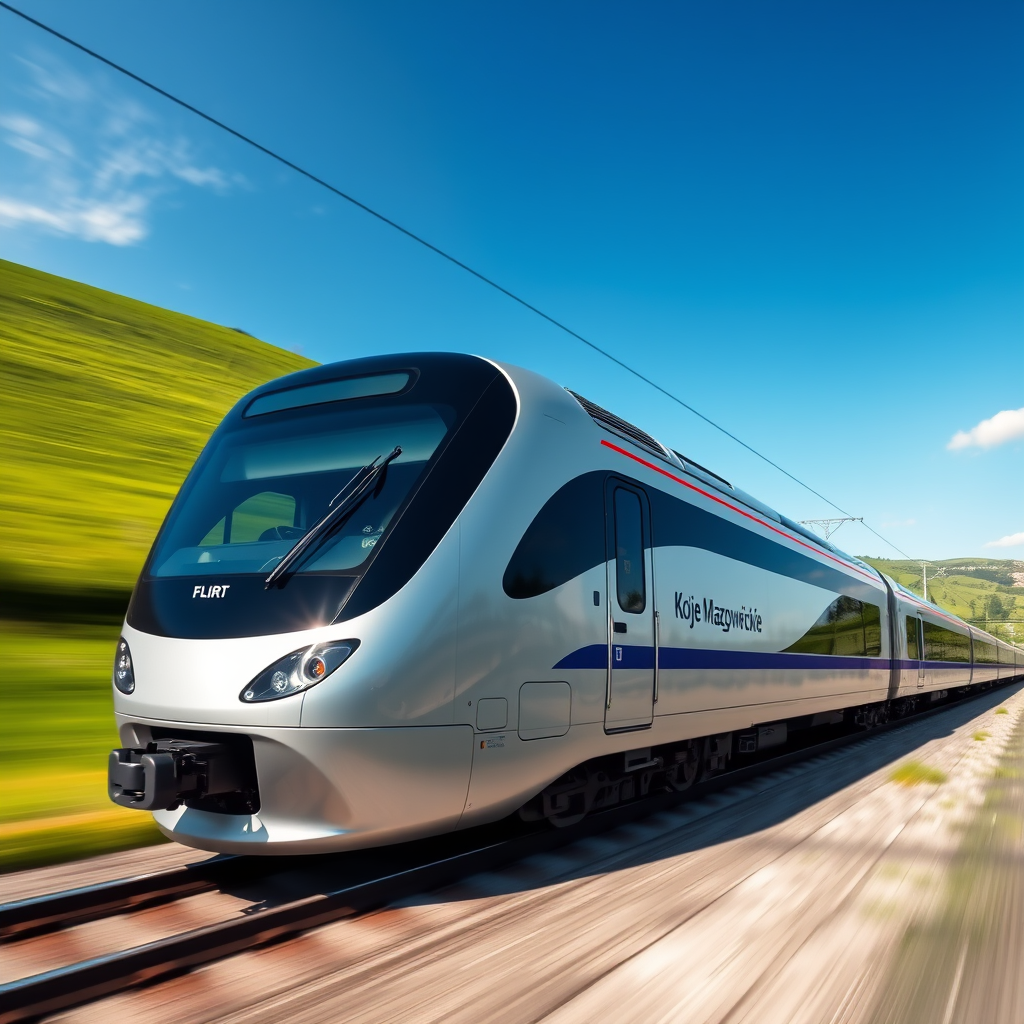
This article explores the significant investment by Koleje Mazowieckie (KM), the regional railway operator in Masovia, Poland, in a new fleet of 50 Stadler FLIRT (Fast Light Innovative Regional Train) trains. This €750 million ($802 million) order represents a substantial commitment to modernizing the region’s railway infrastructure and enhancing passenger transport services. The acquisition, partially funded by the European Union (EU) through the National Recovery and Resilience Plan, will not only upgrade the existing fleet but also facilitate the expansion of rail networks connecting to Warsaw, the Polish capital. This investment exemplifies a broader trend towards sustainable and efficient rail transportation across Europe, demonstrating the importance of public-private partnerships and EU funding in driving such initiatives. The subsequent sections will analyze the key aspects of this procurement, its economic impact, and the technological advancements it represents for the Polish railway system.
Strategic Fleet Modernization and Expansion
Koleje Mazowieckie’s decision to purchase 50 additional FLIRT trains builds upon its existing fleet of 71 FLIRT vehicles, demonstrating a strong commitment to this particular model. This consistency showcases the success and reliability of Stadler’s FLIRT technology in meeting the operational needs of KM. The order’s strategic implications are multifaceted. First, it directly addresses the growing demand for efficient and comfortable passenger transport within the Masovia region. Second, the introduction of these new trains, capable of carrying 600 passengers per five-car unit, will undoubtedly improve overall passenger capacity and reduce overcrowding on existing lines. Finally, the expansion plans facilitated by this investment will improve connectivity within the region and to Warsaw, boosting regional economic development and accessibility. The 18-year maintenance agreement included in the framework underscores the long-term commitment to operational efficiency and cost-effectiveness.
Domestic Manufacturing and Economic Impact
The decision to manufacture the new FLIRT trains at Stadler’s facility in Siedlce, Poland, holds significant economic benefits for the country. This initiative fosters local job creation and supports the growth of the domestic rail industry. The project will stimulate activity amongst numerous local partners and suppliers involved in the manufacturing and supply chain, contributing to economic growth within Poland. This approach aligns with the EU’s strategy of promoting regional development and supporting sustainable industrial growth. The involvement of local businesses in the project further demonstrates the commitment to boosting the Polish economy beyond the immediate impact of the train order itself.
Technological Advancements and Sustainability
The new FLIRT trains will incorporate cutting-edge technology, including ETCS Level 2 (European Train Control System) signaling equipment. This advanced signaling system enhances safety and operational efficiency by providing precise train control and reducing the risk of collisions. Additionally, the trains’ electric operation significantly contributes to environmental sustainability by reducing carbon emissions compared to diesel-powered alternatives. This aligns with the broader trend towards decarbonizing transportation and achieving climate goals. The fact that Stadler is also developing a hydrogen-powered version of the FLIRT (FLIRT H2), setting records for long-distance travel on hydrogen, highlights the company’s commitment to sustainable transport solutions and foreshadows possible future upgrades for KM.
Conclusion
Koleje Mazowieckie’s substantial investment in 50 new Stadler FLIRT trains represents a significant milestone in modernizing Poland’s regional rail network. This €750 million project, co-funded by the EU, demonstrates a commitment to improving passenger transport services, stimulating economic growth, and promoting environmental sustainability. The decision to manufacture the trains domestically in Siedlce, Poland underscores the benefits of supporting local industries and creating jobs. The integration of advanced technologies such as ETCS Level 2 signaling enhances safety and efficiency. The long-term maintenance agreement and the focus on electric trains reflect a strategic vision for a sustainable and efficient railway system. This project serves as a successful model for other regional operators aiming to modernize their fleets and improve connectivity. The long-term benefits extend beyond improved transportation, impacting economic growth, job creation, and the environmental footprint of the rail sector in Poland. This investment highlights the crucial role of EU funding in supporting large-scale infrastructure projects and contributing to the sustainable development of regional economies.

Railway infrastructure, rolling stock and transport technologies specialist focused on global rail industry developments, high-speed rail systems, signaling technologies and freight transportation. Covering railway investments, public transport modernization, rail operations and international mobility projects across Europe, Asia and North America.
RELATED POSTS

October 8, 2026 1:15 pm
Alstom secured a €1bn contract to build 13 automated trains,...

October 1, 2026 7:09 am
United States regulators confirmed a September 30 deadline for the...

October 4, 2026 5:14 pm
Alstom secured a CA$4.7 billion order from VIA Rail Canada...

October 8, 2026 12:18 pm
Siemens Mobility signed an agreement with VinSpeed to supply 350...

October 5, 2026 6:12 pm
AECOM and Jacobs secured a contract in September 2026 to...

October 4, 2026 11:08 pm
Sound Transit confirmed the September 30 opening of Seattle Pinehurst...