
Poland’s €450M Rail Upgrade: Modernization & Growth
The €450 million investment by the European Investment Bank in modernizing Poland’s 120km rail line from Skarzysko-Kamienna to Kozlow, including new platforms, advanced signalling systems, power upgrades, and pedestrian infrastructure, aims to enhance efficiency, safety, and environmental friendliness while boosting regional economic development.
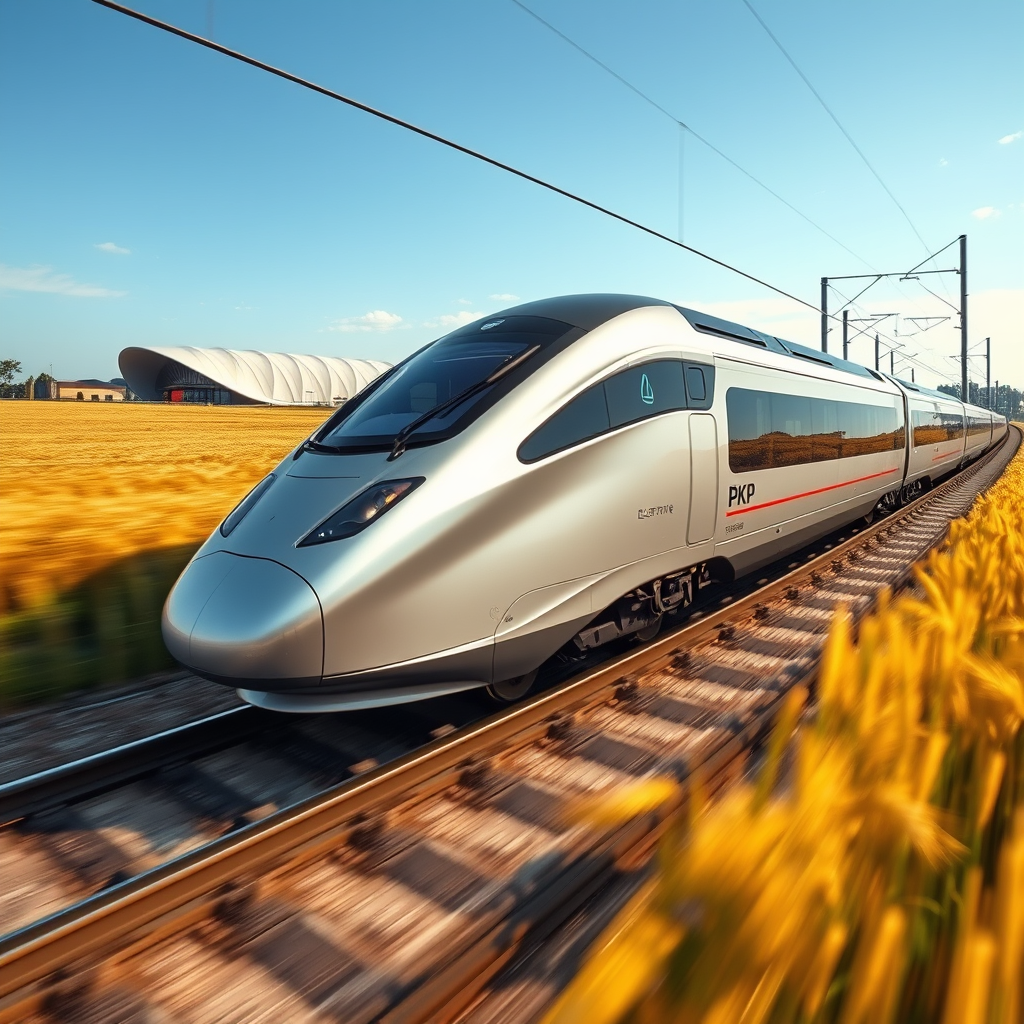
This article explores the significant €450 million ($516 million) loan agreement between the European Investment Bank (EIB) and PKP Polskie Linie Kolejowe (PLK SA), the Polish railway infrastructure manager. This substantial investment focuses on modernizing a crucial 120km rail line in southern Poland, connecting Skarzysko-Kamienna, Kielce, and Kozlow. The project aligns with the European Union’s (EU) strategic goals for cohesion and climate action by boosting rail transport’s efficiency, safety, and environmental friendliness. The modernization encompasses a range of improvements, from constructing new platforms and implementing advanced traffic management systems to upgrading power lines and building pedestrian underpasses and overpasses. This detailed approach highlights the EIB’s commitment to supporting sustainable and efficient transportation infrastructure within the EU. The project’s impact extends beyond immediate infrastructure improvements, influencing regional economic development, enhancing passenger and freight transport capacity, and reducing reliance on less sustainable modes of transportation. This initiative exemplifies a larger trend of significant investment in Poland’s railway infrastructure, supported by both the EIB and other financial institutions, reflecting the country’s commitment to modernizing its transportation network.
Infrastructure Enhancement and Capacity Expansion
The core of the project involves a substantial upgrade to the existing railway infrastructure along the 120km corridor. This includes the construction of new, modern train platforms designed to accommodate increased passenger numbers and improve accessibility. The modernization also focuses on significantly improving the existing signalling and train control systems. This will involve implementing an Advanced Traffic Control System (ATC), enhancing operational efficiency, increasing line capacity, and ultimately reducing journey times. Further improvements include the refurbishment of existing power lines to support the increased operational demands and ensure reliable electricity supply for trains. The construction of overground and underground pedestrian crossings is crucial for enhancing passenger safety and ensuring smooth pedestrian movement around the rail line, further optimizing the rail network.
Advanced Traffic Management and Safety Improvements
The implementation of a sophisticated Advanced Traffic Control System (ATC) represents a pivotal aspect of this modernization effort. An ATC system uses advanced technologies to monitor and control train movements, optimizing the flow of traffic and minimizing delays. This system significantly enhances safety by providing real-time information on train locations and speeds, allowing for proactive interventions to prevent potential accidents. Moreover, the ATC system contributes to increased capacity utilization by allowing for closer train spacing while maintaining safety standards. By streamlining train operations and minimizing delays, the ATC system directly enhances the overall efficiency and reliability of the rail network. The improvement of safety features through the construction of pedestrian overpasses and underpasses reduces the risks associated with level crossings, creating a safer environment for both passengers and local communities.
Financial Backing and Strategic Alignment
The €450 million loan from the EIB is not an isolated event but reflects a broader commitment by the EU and the EIB to invest in Poland’s transportation infrastructure. The EIB’s significant contribution to this project highlights the importance of rail modernization in achieving EU-wide climate goals, reducing carbon emissions, and strengthening regional connectivity. PLK SA’s proactive approach to securing external funding to leverage its €7 billion investment program underlines the company’s commitment to modernizing Poland’s railway network. The significant financial investment underscores the strategic importance of this rail corridor for regional development and economic growth within Poland. This investment aligns perfectly with the EU’s broader policy objectives related to sustainable transportation and regional cohesion.
Broader Implications and Future Outlook
The modernization of this crucial 120km rail line in southern Poland represents more than just infrastructure improvements; it symbolizes a broader transformation towards a more efficient, sustainable, and integrated transportation system. This project not only enhances passenger comfort and safety but also boosts freight transportation capabilities, supporting economic growth in the region. The successful implementation of the Advanced Traffic Control System (ATC) will serve as a model for future upgrades across Poland’s railway network. This initiative significantly contributes to the EU’s broader commitment to sustainable development, aligning with its targets for carbon reduction and improved regional connectivity. The EIB’s continued investment in Polish rail infrastructure, exceeding €8 billion to date, emphasizes the long-term strategic partnership and the shared commitment to modernizing the country’s transport sector. The substantial investment signifies not only a modernization of the physical infrastructure but also a commitment to improved operational efficiency and safety standards, benefiting both passengers and freight transport across the region. The success of this project is expected to serve as a catalyst for further investment and modernization in Poland’s rail system, reinforcing the country’s commitment to sustainable and efficient transportation.

Railway infrastructure, rolling stock and transport technologies specialist focused on global rail industry developments, high-speed rail systems, signaling technologies and freight transportation. Covering railway investments, public transport modernization, rail operations and international mobility projects across Europe, Asia and North America.
RELATED POSTS
September 6, 2026 5:19 am
Hitachi delivered Taiwan's first N700ST high-speed train from Japan in...

September 5, 2026 4:19 pm
CPK launched formal tender talks with four consortia to design...
September 6, 2026 1:17 am
Hitachi Toshiba Supreme Consortium confirmed the first of 12 N700ST...

September 6, 2026 4:12 am
Alstom delivered the first of 100 new G Class trams...

September 5, 2026 7:14 pm
HS2 Ltd signed renegotiated civils contracts with EKFB and Align...
September 6, 2026 6:17 am
Hungary ordered a national ban on most freight trains from...