
PKP Intercity Confirms First Six Combo Railcars Poland
PKP Intercity confirmed the first six of 50 Combo railcars from an €82 million modernization project in Poland.
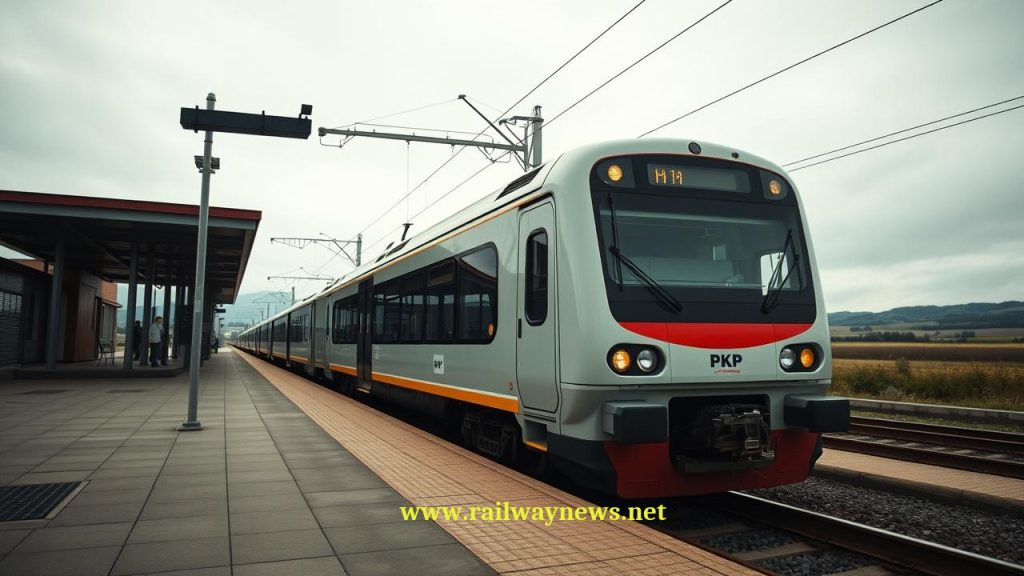
⚡ In Brief: PKP Intercity has received the first six of 50 modernized Combo multi-purpose railcars from a PESA-led consortium in Poland, part of an EUR 82 million project to enhance accessibility and capacity, with the full fleet of 172 Combo units expected by the end of 2026.
WARSAW, POLAND – PKP Intercity has accepted the first six of 50 modernized Combo railcars designed to improve accessibility for passengers with reduced mobility and families. The delivery is part of an EUR 82 million (351 million PLN) contract to upgrade the vehicles, which will be integrated into the fleet ahead of peak travel periods. This project is a component of a wider investment program funded by the European Union’s National Recovery and Resilience Plan (KPO).
What Is the Full Scope of This Project?
The project covers the detailed modernization of 50 passenger railcars to the “Combo” standard by a consortium of PESA Bydgoszcz and ZNTK “Mińsk Mazowiecki”. The original model of the railcars being upgraded was not disclosed. The scope includes new bogies for a quieter ride, installation of Wi-Fi, electrical outlets, USB ports, and vending machines, as well as significant accessibility upgrades like ramps, threshold-free floors, and Braille signage. This contract is part of a larger EUR 201 million (862.4 million PLN) framework to modernize a total of 500 railcars and purchase 56 new locomotives, aiming to meet demand from a projected 96 million passengers this year.
Key Project Data
| Parameter | Value |
|---|---|
| Project / Contract Name | PKP Intercity Combo Railcar Modernisation |
| Total Value | EUR 82 million (351 million PLN) for 50 Combo cars |
| Parties Involved | PKP Intercity, PESA Bydgoszcz / ZNTK “Mińsk Mazowiecki” consortium, European Union (via KPO) |
| Timeline / Completion | Deliveries ongoing; full fleet of 172 units by end of 2026 |
| Country / Corridor | Poland (nationwide network) |
How Does This Compare to Similar Projects?
This modernization strategy mirrors similar initiatives across Europe, where operators upgrade existing rolling stock to improve passenger experience and meet accessibility standards without the lead time of new builds. For example, Deutsche Bahn’s (DB) multi-year IC1 modernization program also focused on overhauling hundreds of Intercity carriages from the 1970s and 80s. DB’s project similarly incorporated modern interiors, power sockets, improved passenger information systems, and designated spaces for families and bicycles to extend the fleet’s operational life by over a decade. While the per-car cost varies based on the scope of work, both PKP Intercity and DB’s projects demonstrate a common European approach to asset life extension and service quality improvement. (Source: Deutsche Bahn, 2021).
Editor’s Analysis
PKP Intercity’s investment highlights a key European rail strategy: leveraging EU recovery funds to modernize existing assets for improved accessibility and capacity. This approach allows the state-owned operator to respond quickly to rising passenger numbers and meet modern technical specifications for interoperability, particularly for persons with reduced mobility (TSI PRM). The “Combo” concept reflects a broader industry trend toward flexible, multi-purpose rolling stock that can cater to diverse passenger groups, from cyclists to families, maximizing utility on a wide range of routes.
FAQ
Q: Who is modernizing the Combo railcars for PKP Intercity?
A: The modernization is being carried out by a Polish consortium consisting of PESA Bydgoszcz and ZNTK “Mińsk Mazowiecki”. This specific information was not included in the original source material.
Q: What is the total investment in this specific project?
A: The modernization of these 50 Combo cars is valued at 351 million zlotys (approximately EUR 82 million). This is part of a much larger rolling stock investment program being undertaken by PKP Intercity.
Q: How many Combo cars will PKP Intercity have in total?
A: PKP Intercity currently operates 115 Combo cars. With the delivery of these 50 modernized units, the total dedicated Combo fleet will grow to 172 by the end of 2026.

Railway infrastructure, rolling stock and transport technologies specialist focused on global rail industry developments, high-speed rail systems, signaling technologies and freight transportation. Covering railway investments, public transport modernization, rail operations and international mobility projects across Europe, Asia and North America.
RELATED POSTS

October 8, 2026 1:15 pm
Alstom secured a €1bn contract to build 13 automated trains,...

October 1, 2026 7:09 am
United States regulators confirmed a September 30 deadline for the...

October 4, 2026 5:14 pm
Alstom secured a CA$4.7 billion order from VIA Rail Canada...

October 1, 2026 12:13 am
Illinois approved $1.5 billion annually for the Northern Illinois Transit...

October 4, 2026 11:08 pm
Sound Transit confirmed the September 30 opening of Seattle Pinehurst...

October 5, 2026 1:13 pm
New York MTA confirmed a late 2026 DEIS release for...