
Penang LRT Mutiara Line: A 29.5km Transit Revolution
The LRT Mutiara Line project in Penang is an ambitious initiative aimed at upgrading public transportation infrastructure with the construction of a 29.5km light rail transit system, focusing on civil and structural works for the initial phase, showcasing significant engineering challenges and technological advancements expected to enhance connectivity and stimulate economic growth in the region.
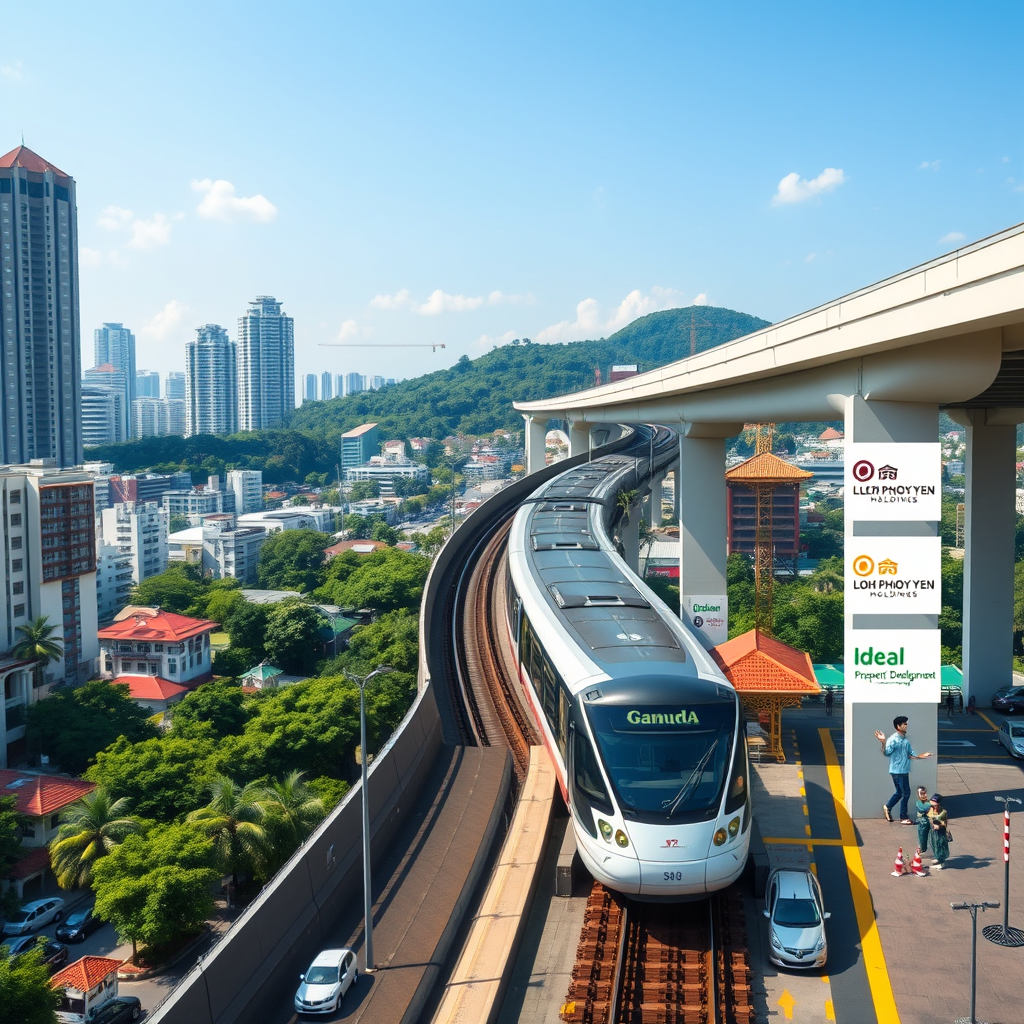
The Malaysian state of Penang is poised for a significant upgrade to its public transportation infrastructure with the construction of the LRT Mutiara Line, a 29.5km light rail transit (LRT) system. This article explores the details of this ambitious project, focusing on the recently awarded contract for the initial phase of construction, the key players involved, the scope of work, and the expected impact on Penang’s connectivity. We will examine the consortium responsible for the project’s civil and structural works, the challenges inherent in such a large-scale undertaking, and the technological advancements anticipated to be incorporated into the system. The project’s significance extends beyond simply improving commuting times; it is projected to stimulate economic growth and enhance the overall quality of life in the region. This analysis will provide a detailed overview of the LRT Mutiara Line, outlining its potential benefits and the complex engineering and logistical considerations required for its successful completion.
The LRT Mutiara Line Project: A Key Infrastructure Development
The LRT Mutiara Line is a crucial component of Penang’s transportation master plan, aimed at alleviating traffic congestion and providing a sustainable and efficient mass transit solution. Spanning 29.5km and encompassing 21 stations, the line will connect key areas such as Penang South Reclamation Island A (PSR-A), Penang International Airport, Bayan Lepas Free Industrial Zones, Komtar, and Penang Sentral. This extensive network will significantly improve accessibility and mobility for residents and visitors alike. The project is scheduled for commissioning by 2031, marking a substantial leap forward in Penang’s infrastructure development.
SRS Consortium: The Project Delivery Partner
The design and build contract for the civil and structural works of the first segment of the LRT Mutiara Line has been awarded to SRS Consortium, a joint venture with Gamuda holding a 60% stake, and the remaining shares divided between Loh Phoy Yen Holdings and Ideal Property Development. This consortium’s selection reflects their experience and expertise in large-scale infrastructure projects. Their responsibilities encompass a vast scope of work, including the construction of a 23.7km elevated viaduct, 19 above-ground stations (plus a provisional station on PSR-A), a maintenance depot on PSR-A, ancillary structures, utility relocations, park-and-ride facilities, and external works. The expertise of SRS Consortium in managing complex projects will be critical to the timely and efficient execution of this multifaceted undertaking.
Phased Approach and Contractual Framework
The project is being executed in three distinct tender packages. The first package focuses on civil construction from PSR-A to Komtar, the heart of Georgetown. Package 2 will handle the section from Macallum to Penang Sentral, and Package 3 will encompass the supply of systems and rolling stock. This phased approach allows for better management of resources and timelines, minimizing potential risks and facilitating more efficient project delivery. The main civil contract (Contract 1) has been signed between SRS Consortium and Mass Rapid Transit Corporation (MRT Corp), the project developer and asset owner, signifying a crucial milestone in the project’s progression.
Technological Advancements and Future Considerations
While the specifics of the technological elements are not yet fully detailed, it is expected that the LRT Mutiara Line will incorporate modern Intelligent Transportation Systems (ITS) to optimize operations and enhance passenger experience. This might include advanced signaling systems, real-time passenger information displays, and potentially automated train control systems. The integration of these technologies will be paramount in ensuring the efficiency and safety of the LRT system. Additionally, the sustainability aspects of the project, such as energy efficiency measures and consideration of environmental impact, will likely play a significant role in its long-term success.
Conclusion
The LRT Mutiara Line project represents a significant investment in Penang’s future, promising substantial improvements to public transportation and contributing significantly to economic growth. The awarding of the contract to SRS Consortium marks a critical step towards realizing this vision. The phased approach to construction, coupled with the consortium’s expertise and the anticipated integration of modern technologies, offers a strong foundation for the project’s successful completion. The project’s scale and complexity highlight the challenges inherent in large-scale infrastructure development, requiring meticulous planning, efficient resource management, and close collaboration between all stakeholders. The successful delivery of the LRT Mutiara Line will not only transform Penang’s transportation landscape but also serve as a model for future mass transit initiatives in other regions. The integration of ITS and sustainable practices will be crucial for ensuring the project’s long-term viability and positive impact on the community. The projected completion date of 2031 represents a considerable undertaking, but with careful planning and execution, the LRT Mutiara Line has the potential to become a vital artery for Penang, facilitating seamless connectivity and contributing to the overall economic and social progress of the region. The project’s success hinges on effective collaboration between the government, the private sector, and the community. Thorough planning, including environmental considerations and risk mitigation strategies, will be critical to ensure its timely and efficient completion within budget.

Railway infrastructure, rolling stock and transport technologies specialist focused on global rail industry developments, high-speed rail systems, signaling technologies and freight transportation. Covering railway investments, public transport modernization, rail operations and international mobility projects across Europe, Asia and North America.
RELATED POSTS

October 8, 2026 1:15 pm
Alstom secured a €1bn contract to build 13 automated trains,...

October 1, 2026 7:09 am
United States regulators confirmed a September 30 deadline for the...

October 4, 2026 5:14 pm
Alstom secured a CA$4.7 billion order from VIA Rail Canada...

October 8, 2026 12:18 pm
Siemens Mobility signed an agreement with VinSpeed to supply 350...

October 5, 2026 6:12 pm
AECOM and Jacobs secured a contract in September 2026 to...

October 4, 2026 11:08 pm
Sound Transit confirmed the September 30 opening of Seattle Pinehurst...