
Paris’s New T12 Tram: Sustainable Transit, Seamless Connectivity
The T12 tram line in the Île-de-France region exemplifies urban rail development trends by integrating sustainable, accessible, and interconnected transit solutions within a larger metropolitan network, showcasing significant investment in infrastructure and technological advancements for improved regional connectivity and environmental sustainability.
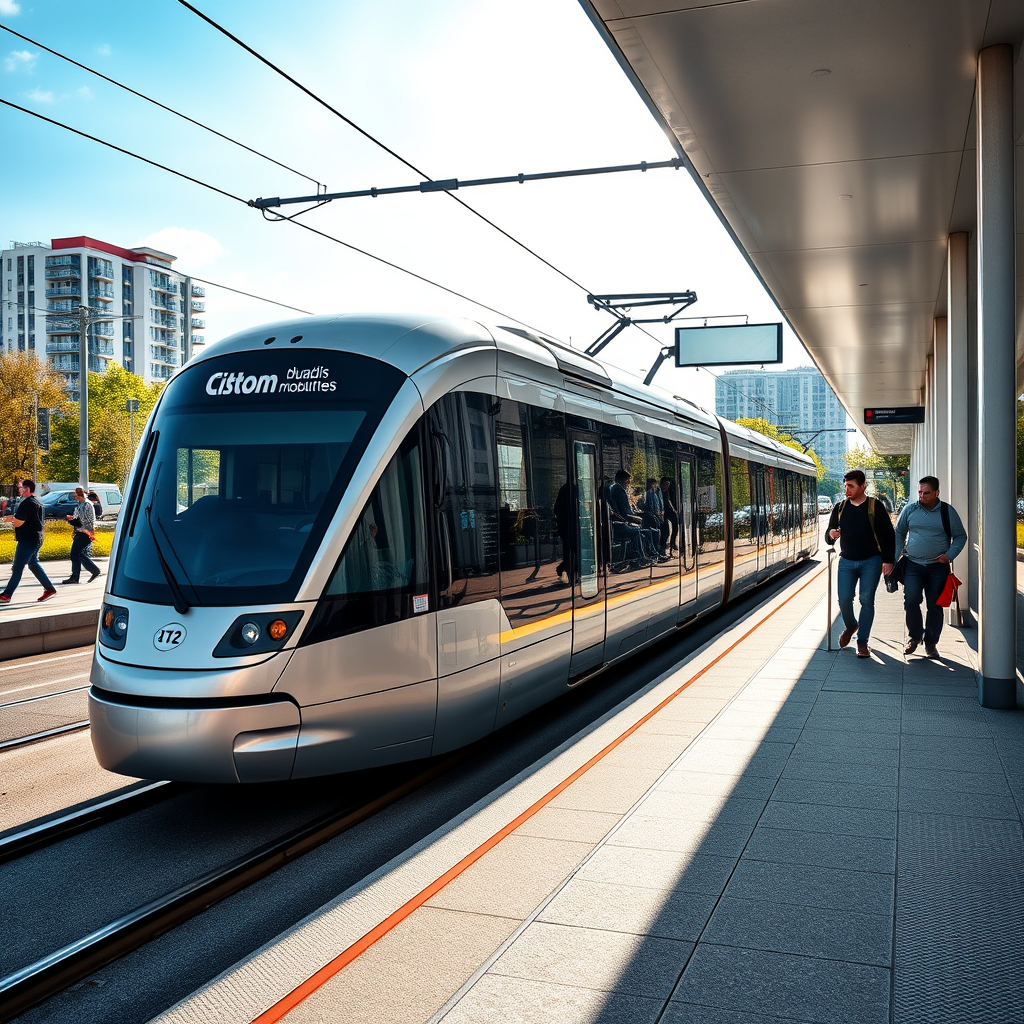
The Île-de-France region’s recent inauguration of the T12 tram line, connecting Évry-Courcouronnes to Massy-Palaiseau, exemplifies a broader trend in urban rail development: the integration of sustainable, accessible, and interconnected transit solutions within a larger metropolitan network. This article will delve into the key aspects of the T12 project, analyzing its design, construction, operational considerations, and its role within the evolving public transportation landscape of the Paris region. We will explore the significant investment in infrastructure, the technological advancements incorporated, and the project’s contribution to improved regional connectivity and environmental sustainability. Additionally, the T12’s success will be examined within the context of wider French railway modernization initiatives and broader international trends in light rail transit systems.
Infrastructure Development and Network Integration
The T12 project involved the construction of 10km of new track, extending an existing 10km section to create a 20km line serving 16 stations across 12 towns. This expansion necessitated significant civil engineering works, including track laying, station construction (compliant with accessibility standards), and the integration with existing rail infrastructure. The connection to the RER B, C, and D lines provides seamless transfers, significantly improving regional connectivity. Future integration with the Tzen 4 bus route and the Grand Paris Express Line 18 further enhances the T12’s role as a crucial transport hub. The strategic location of the line, south of Paris, addresses the transportation needs of a rapidly growing suburban area. The project cost €295 million ($317.9 million USD), reflecting the substantial investment required for modern light rail infrastructure.
Rolling Stock and Operational Efficiency
The T12 operates with 25 new Citadis Dualis four-section trams from Alstom, selected for their modern features and environmental performance. These trams are designed for accessibility, catering to passengers with disabilities. The service operates seven days a week, from 5:30 AM to 12:30 AM, with a frequency of one tram every 12 minutes during peak hours, aiming to transport 40,000 passengers daily. The efficient operation hinges on sophisticated signaling and control systems, which are crucial for maintaining punctuality and optimizing passenger flow. The collaboration between SNCF Voyageurs and Keolis demonstrates a successful public-private partnership model for managing and operating a modern light rail system. The operational efficiency is paramount for the line’s success in meeting the region’s transportation demand.
Sustainability and Accessibility
Sustainability is a core principle underpinning the T12 project. The use of modern, energy-efficient trams contributes to reduced carbon emissions compared to traditional bus or car travel. The construction of a cycle path alongside the entire 20km route promotes active transportation, further contributing to environmental sustainability. Accessibility is another key feature; all stations are designed to meet accessibility standards for passengers with disabilities. This commitment to universal accessibility ensures inclusivity and enhances the quality of the passenger experience. The project demonstrates a holistic approach to urban development, integrating environmental and social considerations into transport infrastructure planning. These features contribute to a more sustainable and inclusive urban environment.
Wider Regional Rail Network Improvements
The T12 is not an isolated project but part of a broader strategy to enhance the Île-de-France region’s rail network. The new Line V rail shuttle between Massy-Palaiseau and Versailles Chantiers, replacing a section of the RER C loop, exemplifies this wider effort. Additionally, planned improvements like the extension of Line 15 of the Grand Paris Express and service enhancements in the Vallée de l’Orge region highlight a concerted regional effort to modernize and improve rail transportation across the Île-de-France region. These interconnected projects create a more resilient and efficient transport network, addressing the needs of a growing population. The strategic planning and coordinated execution are critical to the successful implementation of large-scale railway infrastructure developments.
Conclusions
The inauguration of the T12 tram line represents a significant step forward in the modernization of the Île-de-France region’s public transportation system. The project successfully demonstrates the integration of several key factors crucial for successful urban rail development. First, significant investment in infrastructure, including the construction of new tracks and the upgrading of existing lines, has provided a crucial link between suburban communities and the wider Parisian network. Second, the use of modern, energy-efficient rolling stock, coupled with a well-planned operational strategy, ensures a high level of service and passenger satisfaction. Third, a focus on both sustainability and accessibility makes the T12 a model for future transit projects, promoting both environmental responsibility and social inclusion. Finally, the T12 project is not in isolation but a component of a wider effort to modernize the region’s rail network, demonstrating the importance of strategic planning and coordinated execution. The success of the T12 in enhancing regional connectivity, accessibility, and sustainability serves as a compelling case study for other urban areas seeking to upgrade their public transportation infrastructure. Its long-term impact will be measured by its ability to continue efficiently serving the growing population of the region, promoting sustainable transportation choices, and seamlessly integrating with other modes of transit. The T12’s success offers valuable lessons for planners and policymakers worldwide concerning the design, implementation, and operation of modern, integrated public transit systems.

Railway infrastructure, rolling stock and transport technologies specialist focused on global rail industry developments, high-speed rail systems, signaling technologies and freight transportation. Covering railway investments, public transport modernization, rail operations and international mobility projects across Europe, Asia and North America.
RELATED POSTS

October 8, 2026 1:15 pm
Alstom secured a €1bn contract to build 13 automated trains,...

October 1, 2026 7:09 am
United States regulators confirmed a September 30 deadline for the...

October 8, 2026 12:18 pm
Siemens Mobility signed an agreement with VinSpeed to supply 350...

October 4, 2026 5:14 pm
Alstom secured a CA$4.7 billion order from VIA Rail Canada...

October 5, 2026 6:12 pm
AECOM and Jacobs secured a contract in September 2026 to...

October 4, 2026 11:08 pm
Sound Transit confirmed the September 30 opening of Seattle Pinehurst...