
Pandrol & Mongolia: Rail Innovation & Sustainability
This article explores how Pandrol, a leading global rail technology company, strengthens partnerships with Mongolia through recent collaborations that focus on technological advancements, sustainable practices, and the potential for future automation in Mongolian railway infrastructure, highlighting specific contributions to key projects and the broader context of international railway development.
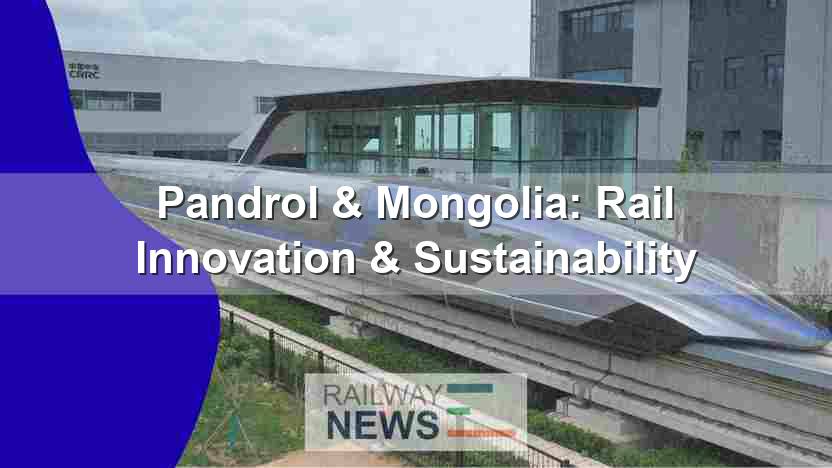
This article explores the strengthening partnership between Pandrol, a leading global rail technology company, and Mongolia, focusing on recent collaborations and the implications for the future of Mongolian and global rail infrastructure. The narrative unfolds through a detailed examination of a recent visit by a high-level Mongolian delegation to Pandrol’s UK facility, highlighting the technological advancements shared, the emphasis on sustainable practices, and the potential for future automation within the Mongolian railway system. We will analyze the specific contributions of Pandrol to key Mongolian railway projects, the successful implementation of innovative welding technologies, and the broader context of this collaboration within the framework of international railway development and the growing importance of sustainable rail solutions.
A Successful Mongolian Delegation Visit to Pandrol’s UK Facility
In June 2023, a significant delegation of 45 Mongolian officials, railway executives, and industry leaders visited Pandrol’s Worksop, UK, facility. This visit underscores the growing importance of the relationship between Pandrol and Mongolia, building upon a long-standing partnership established in 2019. The delegation’s participation in site visits, laboratory tours, and factory walkthroughs provided firsthand experience of Pandrol’s manufacturing processes and technological capabilities, fostering a deeper understanding of the company’s expertise and commitment to quality assurance. The visit served as a critical platform for knowledge exchange and the exploration of potential future collaborations.
Innovative Welding Solutions for the Tavantolgoi–Gashuunsukhait Railway
Pandrol’s involvement in the Tavantolgoi–Gashuunsukhait (T-G) heavy-haul railway project in Mongolia exemplifies its commitment to providing cutting-edge solutions. The 240km project benefited significantly from Pandrol’s versatile and reliable welding solutions, including the implementation of an automated welding system utilizing a 230V High Flow Preheater (HFP). The HFP significantly improved weld quality, accuracy, and reliability, proving particularly valuable in addressing the challenges of training and experience levels among local welders. The project’s success showcases Pandrol’s ability to adapt its technology to specific project needs and provide detailed training and support to ensure seamless integration.
Sustainable Rail Solutions and Environmental Responsibility
Pandrol’s commitment to sustainable rail infrastructure is a key aspect of its collaborations. The company actively promotes electrification processes and the adoption of environmentally friendly products, such as floating slab mats. The introduction of an electric furnace in the manufacturing of rail fasteners for the Mongolian market highlights this commitment. The shift from a traditional 1000-degree gas furnace to a more efficient electric alternative demonstrates Pandrol’s dedication to reducing its carbon footprint, aligning with global efforts towards greener rail transport. Between 2018 and 2020, Pandrol reduced its annual CO₂ equivalent emissions from 88,522 tonnes to 49,312 tonnes, showcasing its progress towards environmental sustainability.
Automation and the Future of Mongolian Rail Infrastructure
Pandrol’s experience in Mongolia underscores the potential for increased automation within the rail industry, particularly in countries with relatively sparse populations like Mongolia (approximately 3.5 million inhabitants). The high cost of human labor compared to automated systems points towards a future trend of automation adoption. Pandrol’s on-the-ground support team in Mongolia highlights the company’s ability to provide both technical expertise and training to aid this transition. The successful implementation of automated welding technologies on the T-G railway provides a strong case study for the potential benefits of automation in improving efficiency and reducing reliance on manual labor.
Conclusions
The collaboration between Pandrol and Mongolia represents a significant step forward in the development of modern, efficient, and sustainable rail infrastructure in Mongolia. The successful implementation of Pandrol’s technology and expertise, particularly on the Tavantolgoi–Gashuunsukhait railway project, demonstrates the tangible benefits of this partnership. The introduction of innovative welding solutions, coupled with a strong emphasis on training and support for Mongolian personnel, is not only improving the quality of rail infrastructure but also fostering a transfer of knowledge and skills. Pandrol’s commitment to sustainability, evident in its reduced carbon emissions and the adoption of eco-friendly technologies, further underscores the long-term value of this collaboration. The increasing focus on automation, driven by economic factors and the need for enhanced efficiency, suggests a promising future for the Mongolian rail industry. The visit by the Mongolian delegation serves as a powerful symbol of growing bilateral cooperation, emphasizing a shared commitment to advancing rail technology and infrastructure development. This collaboration holds significant potential not only for Mongolia but also for setting a precedent for sustainable and technologically advanced rail development in other regions globally. The long-term success of this partnership hinges on the continued exchange of knowledge, technical expertise, and a joint commitment to innovation and sustainability within the rail sector. The future likely holds a greater integration of automated systems and further advancements in sustainable rail technologies, promising a more efficient and environmentally responsible rail network for Mongolia.

Railway infrastructure, rolling stock and transport technologies specialist focused on global rail industry developments, high-speed rail systems, signaling technologies and freight transportation. Covering railway investments, public transport modernization, rail operations and international mobility projects across Europe, Asia and North America.
RELATED POSTS

October 8, 2026 1:15 pm
Alstom secured a €1bn contract to build 13 automated trains,...

October 1, 2026 7:09 am
United States regulators confirmed a September 30 deadline for the...

October 8, 2026 12:18 pm
Siemens Mobility signed an agreement with VinSpeed to supply 350...

October 4, 2026 5:14 pm
Alstom secured a CA$4.7 billion order from VIA Rail Canada...

October 5, 2026 6:12 pm
AECOM and Jacobs secured a contract in September 2026 to...

October 4, 2026 11:08 pm
Sound Transit confirmed the September 30 opening of Seattle Pinehurst...