
Optimizing Global Rail Infrastructure: Safety & Efficiency
Optimize railway safety and efficiency with advanced technologies like Positive Train Control (PTC). Discover how intelligent infrastructure solutions boost reliability and passenger experience.
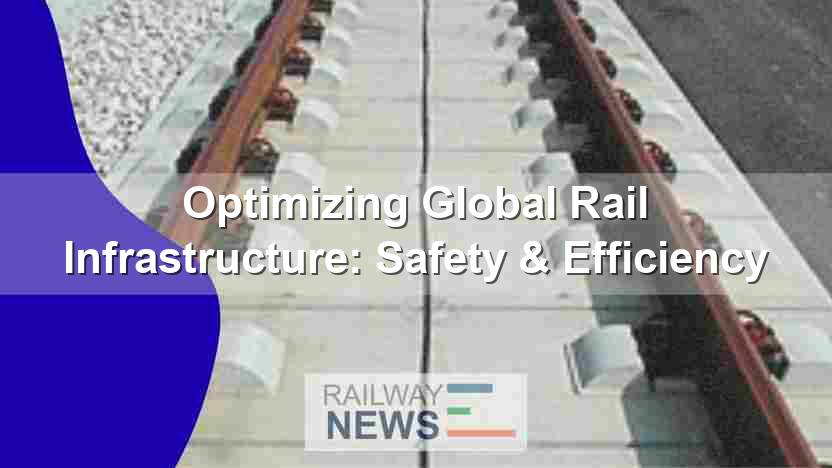
This article explores the multifaceted challenges and opportunities in modern railway infrastructure, focusing on the critical balance between safety, efficiency, and cost-effectiveness. The evolution of railway technology demands a detailed approach to infrastructure development and maintenance, ensuring seamless operations and passenger safety. From advanced signaling systems to robust track maintenance strategies, this exploration examines the key elements contributing to a superior and secure railway experience. Recent advancements in technology, coupled with the increasing demand for reliable transportation, emphasize the need for proactive and intelligent infrastructure solutions. This analysis considers the interplay between human factors, technological advancements, and operational procedures in creating a safer and more efficient rail network.
The Imperative of Safety-Conscious Infrastructure
Railway safety is paramount. A robust safety culture, meticulously designed infrastructure, and stringent maintenance protocols are crucial to mitigating risks and ensuring the reliability of the rail system. Advanced signaling systems, including Positive Train Control (PTC), play a pivotal role in preventing collisions and ensuring timely response to emergencies. Implementing sophisticated train control technologies, coupled with rigorous track maintenance schedules and inspections, is essential to minimize the likelihood of accidents. Proper maintenance of infrastructure, including bridges, tunnels, and track components, ensures the long-term structural integrity of the system and minimizes the potential for catastrophic failures. This emphasizes the ongoing and crucial investment in preventive maintenance strategies to maintain a high level of safety.
Optimizing Efficiency through Technological Integration
Enhanced efficiency in railway operations is directly linked to intelligent technological integration. This involves the deployment of advanced data analytics tools and real-time monitoring systems for optimized scheduling and resource allocation. Real-time data analysis from sensors placed along the track enables proactive maintenance and reduces disruptions. Integrated communications networks between trains, stations, and control centers allow for seamless data exchange, enabling quick responses to incidents and improving overall network performance. Advanced communication protocols allow for real-time monitoring of train performance and enable more precise scheduling and dispatch, resulting in more efficient travel times and reduced wait times for passengers.
Modernizing Maintenance Strategies for Longevity and Resilience
The long-term viability of a railway system depends critically on proactive and strategic maintenance practices. Predictive maintenance techniques using sensor data and AI-powered analysis enable proactive identification and rectification of potential issues before they escalate into costly breakdowns. This approach minimizes unplanned downtime, ensuring the long-term operational resilience of the rail network. The integration of advanced technologies facilitates a proactive approach, shifting the focus from reactive maintenance to preventative measures. Implementing advanced materials and construction techniques, such as using high-strength alloys and optimized track geometries, ensures infrastructure resilience against environmental stresses and extends the lifespan of the entire system. Modern maintenance practices go beyond simply repairing damages; they aim at extending the operational life of the system and minimizing disruptions.
The Future of Railway Infrastructure: Collaboration and Innovation
The future of railway infrastructure hinges on a collaborative approach involving stakeholders across the spectrum, from government agencies to private companies and technology providers. Partnerships and knowledge sharing are crucial for implementing advanced technologies and maintaining infrastructure effectively. Open innovation platforms encourage cross-industry collaboration to drive new technological developments and improve existing procedures. A crucial aspect of this collaboration is the need for standardized protocols and interoperability standards across different railway systems, enabling seamless integration and efficient operation. The key to success is the creation of an open ecosystem for knowledge sharing and technological advancements. The implementation of Bombardier Transportation contracts represents an important step in this strategic direction. This involves the use of shared expertise and resources in designing and implementing cutting-edge rail infrastructure.
You might be interested in:
Last January 2019, we covered the MBTA’s experience with Positive Train Control, a crucial aspect of rail safety. Click here to read – MBTA’s PTC Deployment: A Rail Safety Case Study
Conclusion
To summarize, this analysis underscores the importance of a multifaceted approach to optimizing railway infrastructure. A culture of safety, driven by advanced technologies like Positive Train Control (PTC) and sophisticated maintenance strategies, is essential for ensuring reliable and efficient operations. Integrating data analytics and real-time monitoring systems enhances efficiency in scheduling and resource allocation. Proactive maintenance techniques, using predictive analytics and advanced materials, guarantee infrastructure longevity and resilience. Collaboration among stakeholders is vital for leveraging innovations and implementing best practices. The need for standardization across different railway systems enables seamless integration and efficient operation. By combining these elements, the railway industry can move towards a future characterized by increased safety, enhanced efficiency, and enduring reliability. The successful implementation of Bombardier Transportation contracts is a testament to this approach and paves the way for an improved future for rail transportation. The integration of Bombardier Transportation contracts exemplifies this collaboration and contributes to a system that is more efficient and resilient. This detailed approach underscores the need to prioritize safety, efficiency, and cost-effectiveness for long-term success. Ultimately, the continuous modernization and enhancement of railway infrastructure will play a critical role in shaping the future of transportation and serving the needs of passengers and the community at large.

Railway infrastructure, rolling stock and transport technologies specialist focused on global rail industry developments, high-speed rail systems, signaling technologies and freight transportation. Covering railway investments, public transport modernization, rail operations and international mobility projects across Europe, Asia and North America.
RELATED POSTS

October 8, 2026 1:15 pm
Alstom secured a €1bn contract to build 13 automated trains,...

October 1, 2026 7:09 am
United States regulators confirmed a September 30 deadline for the...

October 4, 2026 5:14 pm
Alstom secured a CA$4.7 billion order from VIA Rail Canada...

October 5, 2026 6:12 pm
AECOM and Jacobs secured a contract in September 2026 to...

October 4, 2026 11:08 pm
Sound Transit confirmed the September 30 opening of Seattle Pinehurst...

October 1, 2026 12:13 am
Illinois approved $1.5 billion annually for the Northern Illinois Transit...