
ÖBB Nightjet Suspensions: European Rail Chaos?
ÖBB Nightjet suspensions (Aug 12–Oct 25, 2024) due to FR/DE maintenance. Vienna-Paris, Berlin-Paris, Berlin-Brussels affected. Cross-border rail coordination challenges.
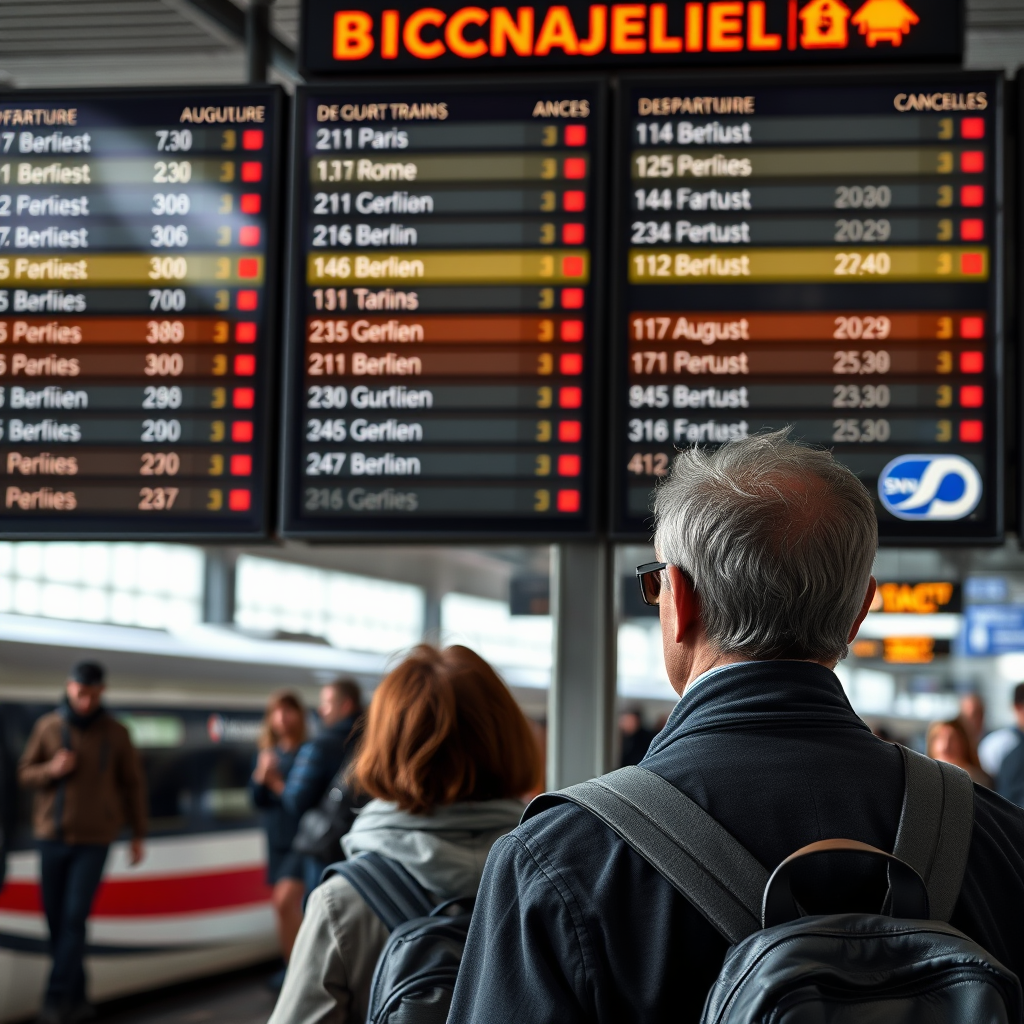
This article focuses the recent temporary suspension of several ÖBB Nightjet (Austrian Federal Railways) sleeper train services across Europe. The suspension, impacting routes to major cities such as Paris, Berlin, and Rome, is primarily attributed to extensive infrastructure maintenance and repair work on the French and German railway networks. This disruption highlights the intricate challenges involved in managing pan-European rail operations, the vulnerability of cross-border services to national infrastructure projects, and the complexities of coordinating schedules across multiple national railway systems. We will analyze the impact of these disruptions on passengers and the railway operator, explore the underlying causes, and discuss potential strategies for mitigating future disruptions to these vital long-distance passenger services. The interconnected nature of European rail networks and the increasing demand for efficient and reliable cross-border travel make understanding and addressing such challenges paramount for the future of European rail.
Impact on Passengers and ÖBB Nightjet Operations
The suspension of Nightjet services between August 12th and October 25th, 2024, significantly impacts passengers who rely on these overnight trains for travel between Vienna and various European capitals. The affected routes include Vienna-Paris, Berlin-Paris, and Berlin-Brussels. While the Vienna-Brussels route maintains a reduced frequency, the complete cessation of other services causes considerable inconvenience. ÖBB (Österreichische Bundesbahnen), the operator, proactively prevented further disruptions by ceasing ticket sales for the affected period, demonstrating a commitment to transparent communication and passenger satisfaction. This proactive approach minimizes last-minute cancellations and associated travel chaos, demonstrating a responsible approach to passenger management during infrastructure-related challenges. The temporary halting of the Rome service, unrelated to the German and French network works, further underscores the vulnerabilities inherent in long-distance rail operations relying on multiple national rail networks.
The Role of Infrastructure Maintenance and Repair
The primary reason cited for the Nightjet service suspensions is the extensive infrastructure maintenance and repair work undertaken on the German and French railway networks. These works are essential for ensuring the long-term safety and reliability of the rail infrastructure. However, the timing and scale of these projects inevitably cause disruptions to passenger services. The challenge lies in balancing the need for essential maintenance with the minimization of disruption to passenger services. Effective planning and coordination between national railway operators and infrastructure managers are crucial to mitigate the impact of such projects. Advanced scheduling techniques, optimized resource allocation, and improved communication with passengers are key factors in managing these inevitable periods of disruption.
Coordination Challenges in Pan-European Rail Operations
The Nightjet service suspensions highlight the inherent complexities in coordinating rail operations across multiple national railway systems. Different national railway companies (NRCs) have distinct operational procedures, maintenance schedules, and signaling systems. This fragmentation can create significant challenges in coordinating international services, especially for long-distance routes like those operated by Nightjet. Harmonizing infrastructure standards, improving interoperability between national systems, and establishing robust cross-border communication protocols are crucial steps towards enhancing the efficiency and resilience of pan-European rail networks. The effective implementation of European Union (EU) regulations aiming to improve interoperability remains a crucial factor in reducing future disruptions.
Mitigating Future Disruptions and Ensuring Service Reliability
To mitigate future disruptions to international rail services, several strategies must be implemented. These include improved long-term planning and coordination of infrastructure maintenance projects across national borders, enhanced communication and transparency with passengers, the development of contingency plans to manage unforeseen circumstances, investment in robust and reliable infrastructure, and continued efforts to improve interoperability among national railway systems. Investing in advanced technologies such as predictive maintenance and real-time monitoring systems can aid in identifying potential issues early and enable proactive interventions to avoid major disruptions. A collaborative approach among national railway operators, infrastructure managers, and regulatory bodies is essential for ensuring the long-term reliability and efficiency of cross-border rail services in Europe.
Conclusions
The temporary suspension of ÖBB Nightjet services across Europe serves as a stark reminder of the complexities and challenges inherent in managing pan-European rail operations. The disruptions, stemming primarily from essential infrastructure maintenance on French and German networks, highlight the need for better coordination among national railway operators and infrastructure managers. The impact on passengers, while mitigated by ÖBB’s proactive communication and suspension of ticket sales during the maintenance period, underscores the inconvenience and frustration caused by such large-scale service interruptions. The article has detailed the significant operational challenges faced by ÖBB Nightjet, emphasizing the difficulties in coordinating cross-border services across differing national systems and maintenance schedules. Moving forward, successful mitigation strategies require proactive long-term planning, transparent communication, improved infrastructure investment, and a strong commitment to harmonizing operational standards and infrastructure across national borders. Only through collaborative efforts and a focus on improving interoperability can the European rail network ensure the reliable and efficient delivery of cross-border passenger services, meeting the growing demands of the modern traveler and strengthening the vital role of rail in sustainable European transport.

Transport and railway industry editor covering global rail infrastructure, sustainable mobility, urban transit systems and next-generation railway technologies with a focus on accessible and industry-focused reporting.
RELATED POSTS

October 8, 2026 1:15 pm
Alstom secured a €1bn contract to build 13 automated trains,...

October 1, 2026 7:09 am
United States regulators confirmed a September 30 deadline for the...

October 8, 2026 12:18 pm
Siemens Mobility signed an agreement with VinSpeed to supply 350...

October 4, 2026 5:14 pm
Alstom secured a CA$4.7 billion order from VIA Rail Canada...

October 5, 2026 6:12 pm
AECOM and Jacobs secured a contract in September 2026 to...

October 4, 2026 11:08 pm
Sound Transit confirmed the September 30 opening of Seattle Pinehurst...