
NYCT Astoria Line: Rail Infrastructure Upgrades
The NYCT Astoria Line’s transformative station renovations demonstrate excellence in upgrading aging infrastructure. Discover how improved safety, reliability, and passenger experience were achieved through strategic planning and phased implementation!
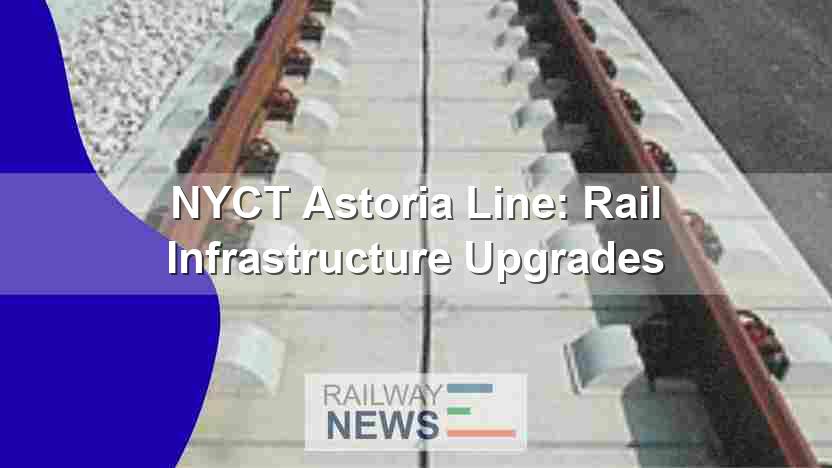
This article explores the extensive renovation project undertaken by the New York City Transit (NYCT) on its Astoria Line, focusing specifically on the Broadway and 39th Avenue stations. The project represents a significant investment in improving the safety, reliability, and passenger experience of this crucial subway line. The scope of work is substantial, encompassing structural repairs, upgrades to essential systems, and the implementation of modern technologies. We will examine the rationale behind this undertaking, the specific improvements being implemented, the challenges involved, and the anticipated long-term benefits for the NYCT and its commuters. The article further explores the broader context of this project within the context of the NYCT’s ongoing efforts to modernize its aging infrastructure. By understanding the complexities of this project, we can gain valuable insights into the challenges of maintaining and upgrading a large-scale, aging transit system, and appreciate the significant impact these renovations have on the daily lives of New Yorkers.
Structural Rehabilitation and System Upgrades
The core of the Astoria Line station renovations involves addressing significant structural deterioration. Decades of exposure to the elements – snow, rain, sun, and wind – along with the constant heavy foot traffic have taken their toll on these outdoor stations. The project includes replacing aging steel beams and columns, repairing or replacing staircases, and renovating open-air canopies and platforms. Track and platform girders are also undergoing rehabilitation, a critical aspect of ensuring safe and reliable train operations. The installation of new concrete slabs above mezzanines further enhances structural integrity and stability. Beyond structural repairs, the stations are receiving upgrades to power service, lighting systems (essential for passenger safety and security), new flooring and ceilings, and modern digital signage systems, improving wayfinding and providing real-time information to passengers.
Improving Passenger Experience and Operational Efficiency
These renovations are not merely cosmetic; they are designed to significantly improve the passenger experience and enhance operational efficiency. The upgraded lighting and digital signage enhance safety and convenience, while the new flooring and ceilings improve the overall aesthetic appeal and comfort of the stations. The improved power service ensures reliable operation of all station systems, reducing the likelihood of service disruptions. By addressing underlying structural issues, the project significantly increases the lifespan of these critical transit infrastructure assets, minimizing future maintenance needs and costs. The enhanced reliability of the Astoria Line resulting from these improvements benefits not only the passengers but also the overall efficiency of the NYCT’s operations.
Managing the Challenges of a Large-Scale Renovation
Undertaking such a large-scale renovation project in a heavily utilized transportation hub presents unique challenges. The temporary closure of the Broadway and 39th Avenue stations during the renovation period required careful planning to minimize disruption to commuters. Coordinating the work crews, managing material delivery and disposal, and ensuring adherence to safety regulations are all crucial aspects of the project management. The NYCT employed strategic planning and phased implementation to mitigate disruptions. Additionally, maintaining effective communication with passengers regarding planned closures and alternative transportation options was crucial for minimizing public inconvenience. The successful completion of this project underscores the expertise and professionalism of the NYCT’s construction and management teams.
The Broader Context of NYCT Modernization
The Astoria Line station renovations are not an isolated incident, but rather part of a broader, ongoing effort by the NYCT to modernize its aging infrastructure. Many of the city’s subway stations, built over a century ago, require substantial upgrades to maintain operational efficiency and ensure passenger safety. This project serves as a model for future renovations across the NYCT system, demonstrating the commitment to improving both the performance and the passenger experience of New York City’s vital transit network. This modernization initiative is critical to supporting the economic growth and sustainability of the city, as it ensures that the public transportation system remains capable of serving the needs of its ever-growing population.
Conclusions
The NYCT’s renovation of the Broadway and 39th Avenue stations on the Astoria Line represents a significant investment in improving the city’s crucial subway infrastructure. The project goes beyond simple cosmetic upgrades; it tackles significant structural issues, upgrades essential systems, and enhances the overall passenger experience. The replacement of aging steel beams and columns, the repair of staircases and canopies, and the installation of new concrete slabs address critical safety and operational concerns. Further improvements such as new power service, lighting, flooring, ceilings, and digital signage create a safer, more efficient, and more pleasant environment for commuters. The successful completion of this project showcases the NYCT’s commitment to maintaining and modernizing its aging infrastructure. The lessons learned from this undertaking, particularly in managing the complexities of a large-scale renovation in a high-traffic environment, will be invaluable in future modernization efforts. The successful outcome of the Astoria Line station renovations signals a positive step towards enhancing the overall reliability, safety, and passenger satisfaction of the NYCT system as a whole, positioning it for continued service to the needs of New York City for decades to come. This phased approach, focusing on strategic upgrades and improvements, will allow the NYCT to address long-standing infrastructure challenges in a systematic and sustainable manner. The overall positive impact on commuter satisfaction, improved system reliability, and enhanced safety will undoubtedly contribute to the economic vitality and quality of life in New York City.

Railway infrastructure, rolling stock and transport technologies specialist focused on global rail industry developments, high-speed rail systems, signaling technologies and freight transportation. Covering railway investments, public transport modernization, rail operations and international mobility projects across Europe, Asia and North America.
RELATED POSTS

October 1, 2026 7:09 am
United States regulators confirmed a September 30 deadline for the...

October 1, 2026 12:13 am
Illinois approved $1.5 billion annually for the Northern Illinois Transit...

October 1, 2026 6:10 am
Amtrak approved a System Expansion Committee on July 30 to...

October 4, 2026 5:14 pm
Alstom secured a CA$4.7 billion order from VIA Rail Canada...
October 1, 2026 3:12 am
Greenbrier confirmed Brian Comstock as new president and CEO effective...
October 1, 2026 4:10 am
DART launched two public ridership dashboards in March 2026 to...