
NS Sets Record: Rail Innovation, Chesapeake Bay Restoration Guide
Norfolk Southern sets record for Chesapeake Bay restoration, using a “living shoreline” approach at Lamberts Point.
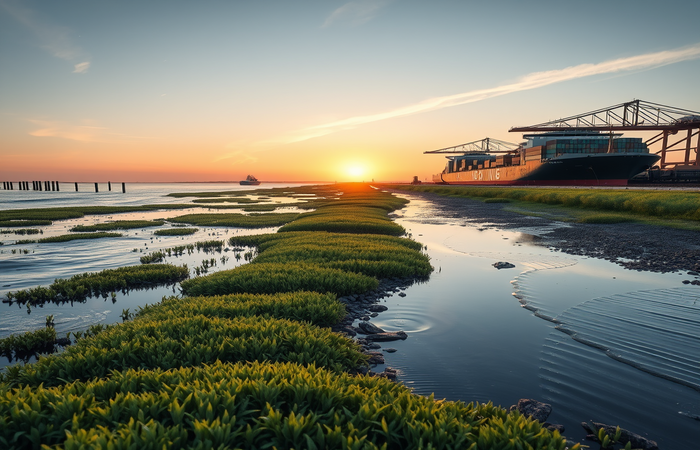
Norfolk Southern Sets Record with Chesapeake Bay Restoration Project
Norfolk Southern Railway (NS) has achieved a significant environmental milestone, establishing a record within Virginia’s nutrient credit program. The accomplishment stems from the Class I railroad’s innovative shoreline restoration project at Lamberts Point, a key marine terminal serving NS operations in Norfolk, Virginia. This initiative, completed in recent years, focuses on combating shoreline erosion, a persistent threat to water quality, land stability, and local wildlife. The project utilized a “living shoreline” approach, a departure from traditional hard-structure solutions, to enhance the natural environment and protect the Chesapeake Bay ecosystem. Specifically, when, the program was created in recent years; who, Norfolk Southern Railway; where, Lamberts Point in Virginia; why, to restore eroding shorelines; and how, by building a “living shoreline”. This article explores the details of NS’s successful approach, its impact on the environment, and its implications for the railway industry’s commitment to sustainability.
The Erosion Challenge at Lamberts Point
The Lamberts Point marine terminal, vital for NS’s operational efficiency, had been grappling with significant shoreline erosion for an extended period. This erosion posed a multi-faceted threat. It compromised the integrity of the land itself, potentially impacting railway infrastructure and operations. Additionally, the eroding shoreline contributed to diminished water quality, impacting the sensitive ecosystem of the Chesapeake Bay. The loss of land also threatened local wildlife habitats. Recognizing these dangers, NS initiated a proactive environmental stewardship strategy.
Embracing the “Living Shoreline” Approach
Instead of resorting to conventional methods like stone barriers, NS selected a forward-thinking “living shoreline” design. This technique emphasizes the use of natural elements and bioengineering principles. The project involved the strategic deployment of native plants, oyster beds, and sustainable grading techniques. This approach facilitated the natural stabilization of the shoreline. Over several years of painstaking work, NS’s team worked to strengthen the area’s natural habitat, thereby naturally improving water quality by filtering runoff and providing habitat for marine life. This eco-friendly design contrasts with hard-structure alternatives, offering greater resilience and long-term ecological benefits.
Navigating the Virginia Nutrient Credit Program
The State of Virginia, as well as other states, recognizes the environmental benefits of such restoration efforts through its Nutrient Credit Program. This system rewards organizations, like NS, for projects that actively reduce nutrient runoff and improve water quality. The restoration at Lamberts Point was so extensive that NS achieved the largest deposit of nutrient credits in Virginia’s history. This achievement reflects the magnitude of the project’s positive impact on the Chesapeake Bay ecosystem and demonstrates the economic value of ecological restoration. This credit system provides an incentive for sustainable practices and represents a positive development for the rail industry.
Implications for the Railway Industry
The Lamberts Point project serves as a compelling case study for other railway operators. NS’s success illustrates the feasibility and benefits of incorporating environmental stewardship into railway infrastructure management. The model established by this project can be adopted by other railway operators to enhance their sustainability profiles. This approach presents an innovative strategy for resolving infrastructure challenges while generating environmental advantages. Moreover, NS’s record-setting nutrient credit deposit underscores the growing importance of integrating environmental considerations into business strategy.
Conclusion
Norfolk Southern’s shoreline restoration project at Lamberts Point represents a significant achievement in sustainable railway practices. By successfully implementing a “living shoreline,” NS has not only stabilized the eroding coastline but also enhanced the local environment. This achievement, evidenced by the record-setting nutrient credit deposit within Virginia’s program, establishes a new benchmark for the railway industry. The project’s focus on ecosystem protection, using natural elements instead of conventional solutions, offers an important model for other railway operators facing similar environmental challenges. The success of the project will likely lead to a heightened focus on similar sustainable practices within the railway sector, creating greater opportunities for collaboration and further advancements in environmentally friendly infrastructure solutions. This project illustrates the railway industry’s potential to be both economically and environmentally responsible.
Company Summary
Norfolk Southern Corporation (NS), a Class I railway company, operates a vast rail network that facilitates the movement of freight across the Eastern United States. As an industry leader, NS transports a diverse range of commodities, from agricultural products to intermodal containers. The Lamberts Point marine terminal is an essential component of NS’s operations, facilitating the efficient loading and unloading of goods. The company has a strong emphasis on sustainability, which is reflected in its capital projects, community outreach programs and operations.

Railway infrastructure, rolling stock and transport technologies specialist focused on global rail industry developments, high-speed rail systems, signaling technologies and freight transportation. Covering railway investments, public transport modernization, rail operations and international mobility projects across Europe, Asia and North America.
RELATED POSTS

October 1, 2026 7:09 am
United States regulators confirmed a September 30 deadline for the...

October 8, 2026 1:15 pm
Alstom secured a €1bn contract to build 13 automated trains,...

October 4, 2026 5:14 pm
Alstom secured a CA$4.7 billion order from VIA Rail Canada...

October 1, 2026 12:13 am
Illinois approved $1.5 billion annually for the Northern Illinois Transit...

October 6, 2026 2:14 am
Union Pacific launched export rail shipments with Ferromex to deliver...

October 1, 2026 6:10 am
Amtrak approved a System Expansion Committee on July 30 to...