
NRW’s RE 47: Battery Rail for Sustainable Transport & Passenger
NRW’s RE 47 line gets battery-electric trains, boosting sustainable regional transport. Siemens Mobility’s Mireo Smart Plus B units, starting summer 2026, replace diesel.
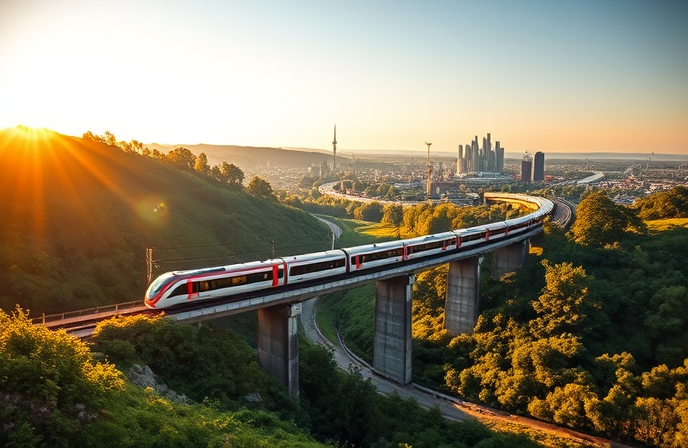
NRW Embraces Battery-Powered Rail: A Sustainable Future for Regional Transport
The bustling railway lines of North Rhine-Westphalia (NRW) are poised for a significant transformation as the first battery-electric trains are set to commence service on the RE 47 route. Developed by Siemens Mobility and leased through Smart Train Lease, these Mireo Smart Plus B trains represent a pivotal step toward low-emission regional mobility. The unveiling of these trains at Siemens’ test centre in Wegberg-Wildenrath marks a moment of innovation. Scheduled to replace the existing diesel fleet beginning in the summer of 2026, the new trains aim to modernize regional rail services and support NRW’s broader decarbonisation goals. This article explores the technology, benefits, and implications of the deployment of these battery-powered trains on the RE 47 line, examining how they address the specific challenges of the route and contribute to a more sustainable transport ecosystem. The focus is on how this initiative aims to enhance passenger experience and boost operational reliability.
A New Era for the RE 47 Line: The Mireo Smart Plus B in Action
The RE 47 line, connecting Remscheid-Lennep and Düsseldorf Central Station, will be served by three two-car Mireo Smart Plus B units. These battery-electric multiple units (BEMU) offer a sustainable alternative for commuters, offering a range of up to 120 km and a maximum speed of 140 km/h. The versatility of these trains lies in their ability to operate under existing overhead wires and switch to battery power in sections without electrification. This is particularly crucial on the RE 47 route, which includes the Müngstener Bridge, Germany’s highest railway bridge, which is not electrified. The deployment of the Mireo Smart Plus B units is a strategic move aimed at providing a reliable and modern service, following years of disruptions caused by rail replacement services.
Technological Innovations: Efficiency and Passenger Experience
The Mireo Smart Plus B incorporates cutting-edge technology to enhance both operational efficiency and passenger comfort. Each train offers 122 seats, including eight in first class, as well as spacious multi-purpose areas designed to accommodate 12 bicycles. Passengers will benefit from features like WiFi, USB ports, power sockets, and barrier-free access, ensuring a comfortable and connected journey. Siemens has integrated its high-frequency window technology to optimize mobile signal reception throughout the trip. Inside, the trains feature wide gangways, quiet operation, and thoughtfully designed lighting. The batteries can be charged while the trains are in motion or stationary using the existing rail infrastructure, avoiding costly infrastructure modifications. The use of advanced silicon carbide (SiC) technology contributes to reduced energy consumption and lower operating costs, thereby improving sustainability and economic efficiency.
Operational Excellence: Maintenance and Reliability
A full-service contract with Siemens Mobility ensures nearly 100% availability for the Mireo Smart Plus B fleet. Preventive and corrective maintenance will be performed at the Siemens Rail Service Centre in Dortmund. The trains will be monitored continuously using Siemens’ Railigent X platform, providing real-time data on performance and identifying potential faults before they impact operations. This proactive approach to maintenance is critical for achieving high levels of operational reliability and ensuring consistent service for passengers. The aim is to restore the dependable and high-quality services passengers have come to expect, especially after recent disruptions to the RE 47 line.
Collaboration and Investment: A Regional Approach to Sustainable Mobility
The project receives strong backing from the Verkehrsverbund Rhein-Ruhr (VRR), which recently became the majority shareholder in Regiobahn. This regional support underscores the commitment to sustainable mobility solutions. VRR’s involvement facilitated a streamlined procurement process for the new emission-free vehicles, reflecting a shared vision among regional stakeholders. Alexandra Westerkamp, Chairwoman of Regiobahn’s Supervisory Board and Head of Department at VRR, emphasizes the project’s benefit to passengers, providing direct transport between the Bergisches Land region and the state capital, Düsseldorf, without requiring transfers. The partnership between Regiobahn, VRR, Siemens Mobility, and Smart Train Lease underscores a collaborative strategy for modernizing public transportation.
Conclusion
The introduction of the battery-electric Mireo Smart Plus B trains on the RE 47 line marks a significant advancement in NRW’s commitment to sustainable and passenger-focused regional rail transport. The project illustrates the feasibility of integrating innovative technologies to address operational challenges, enhance the customer experience, and reduce environmental impact. The utilization of BEMUs not only supports emission reduction goals but also ensures operational flexibility, which is crucial for routes like the RE 47, which traverses a partially electrified network and a challenging piece of infrastructure. The deployment of these trains will likely have implications for the wider rail industry, demonstrating how strategic partnerships and technological investments can support the transition to cleaner, more efficient rail transport. Future initiatives can draw on the successes of this project, particularly the approach to fleet management and maintenance, to optimise service reliability. The initiative suggests the possibilities of wider adoption of battery-powered trains in areas where electrification is difficult or expensive. This approach demonstrates a commitment to providing reliable and passenger-centric transportation, improving the connection between Remscheid and Düsseldorf.
Company Summary
Siemens Mobility is a global leader in transport solutions. Its railway division develops and manufactures a wide range of rolling stock, signalling systems, and infrastructure solutions for the global rail market. Their focus includes innovations in sustainable and intelligent transport systems. Smart Train Lease GmbH specializes in providing leasing services for railway rolling stock. They facilitate the acquisition of modern trains by operating on a model that enables swift deployment and caters to the specific demands of transport operations. The collaboration between these entities allows for the introduction of the Mireo Smart Plus B trains. Regiobahn is a regional railway operator in North Rhine-Westphalia responsible for providing transport links on the RE 47 line, the company is vital to making the project a reality, and their work with the VRR is beneficial to providing services on the line.

Railway infrastructure, rolling stock and transport technologies specialist focused on global rail industry developments, high-speed rail systems, signaling technologies and freight transportation. Covering railway investments, public transport modernization, rail operations and international mobility projects across Europe, Asia and North America.
RELATED POSTS

October 1, 2026 7:09 am
United States regulators confirmed a September 30 deadline for the...

October 8, 2026 1:15 pm
Alstom secured a €1bn contract to build 13 automated trains,...

October 4, 2026 5:14 pm
Alstom secured a CA$4.7 billion order from VIA Rail Canada...

October 1, 2026 12:13 am
Illinois approved $1.5 billion annually for the Northern Illinois Transit...

October 6, 2026 2:14 am
Union Pacific launched export rail shipments with Ferromex to deliver...

October 1, 2026 6:10 am
Amtrak approved a System Expansion Committee on July 30 to...