
Norway Rail Electrification: Trønder, Meråker Modernization
Norway’s Trønder and Meråker railway lines electrification nears completion in 2025, modernizing the network.
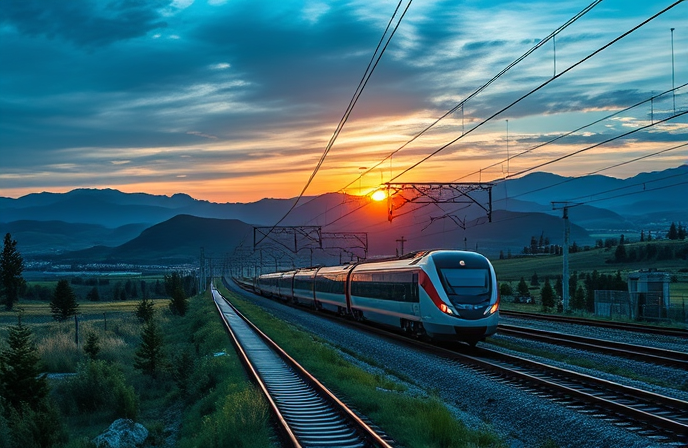
Trønder and Meråker Lines Electrification Nears Completion, Promising Modern Railway Advancements
As the summer of 2024 progresses, the ambitious electrification project for Norway’s Trønder and Meråker lines is entering its final phase, with completion expected by the close of 2025. This significant undertaking, spearheaded by rail infrastructure manager Bane NOR, represents a crucial step towards modernizing Central Norway’s railway network. The project involves electrifying 120 km of track at an estimated cost of NOK 2.4 billion (EUR 203 million). What is being done? The electrification of the lines. When is this happening? The final phase is underway, with completion slated for the end of 2025. Where is this happening? On the Trønder and Meråker lines in Norway. Why is this happening? To modernize the railway, increase capacity, and reduce emissions. How is this happening? Through the installation of overhead lines, rigorous testing, and a transition to electric train operations. This article will delve into the key milestones and benefits of this transformative project, examining the challenges overcome, the technological advancements employed, and the long-term impact on both passenger and freight services.
Overhead Line Installation and Testing Phase
A critical milestone is the nearing completion of the electrical infrastructure. By the end of July, the overhead lines—critical for the provision of electricity to the trains—will be substantially installed, with only a few buffer sections remaining to be completed in August. Following the installation, a rigorous testing phase is underway. This involves detailed inspections and quality assurance checks of the entire system. These critical tests, conducted from August to October, are essential to ensure the safe and reliable operation of the electric trains. John Petter Reklev, Project Manager for the electrification of the Trønder and Meråker lines, emphasizes that “We are entering a critical phase where everything must be thoroughly tested and quality assured before the power can be switched on for the entire system.” This meticulous approach underscores the commitment to passenger safety and the long-term reliability of the electrified railway network. The project has faced some challenges, significantly on the Meråker Line where adverse weather, including heavy snowmelt, caused landslides and closures, which have delayed parts of the project.
Transition to Electric Train Operations
The transition to electric train operations marks a pivotal moment in the project. Starting September 1st, SJ Norge, the primary operator on the line, will initiate testing of electric train services between Trondheim S and Hell. This marks a crucial step away from diesel-powered trains and towards a more sustainable railway system. SJ Norge’s commitment to the testing phase highlights its support for the new technology and its dedication to improving passenger services. The move to electric trains is a key component of the project’s environmental goals. Electric trains generate significantly less noise and contribute to reduced greenhouse gas emissions compared to their diesel counterparts. This shift aligns with broader efforts to reduce the environmental impact of the rail sector and promote sustainable transportation solutions.
Enhancements for Freight and Passenger Services
The electrification of the Trønder and Meråker lines promises substantial improvements for both freight and passenger services. Once complete, the railway will provide enhanced capacity and more modern, comfortable, and eco-friendly trains. Passenger services will benefit from increased seating capacity, easier boarding, and improved overall travel comfort. Freight operators will enjoy lower operating costs, faster journey times, and the ability to run longer trains. The Meråker Line, already electrified on the Swedish side, will strengthen freight services between Norway and Sweden, becoming a vital route for diversion traffic. It will also improve local passenger services to destinations such as Åre. This project also marks the first time since the electrification of the Dovre Line in 1970 that a railway line in Trøndelag is being upgraded to electric operation.
Capacity Improvements and Cross-Border Collaboration
Beyond electrification, Bane NOR is implementing capacity improvements along the Trønder Line. This includes the replacement of older diesel-powered Type 92 trains with bimodal Type 76 trains. These newer trains can operate on both electricity and diesel and have significantly greater capacity—carrying up to 241 passengers compared to the 136 seats on the older models. The Meråker Line is already central Norway’s fastest route to neighboring Sweden. This cross-border railway, which is a Swedish-Norwegian collaboration, is locally known as the “Neighbour Train.” It links Trondheim with the Swedish ski resort of Åre, the regional center Östersund, and the wider Swedish rail network. This emphasis on cross-border connectivity underscores the importance of the project in facilitating regional integration and promoting economic cooperation between Norway and Sweden.
Conclusion
The electrification project on the Trønder and Meråker lines represents a major investment in Norway’s railway infrastructure, offering a modern and sustainable future. As the final phases of overhead line installation and rigorous testing progress, the project will transition to electric operations with SJ Norge. Once complete, this project will deliver substantial benefits for both freight and passenger services, promising enhanced capacity, reduced emissions, and improved connectivity. This initiative will also boost cross-border transport through the Meråker Line. The successful completion of this project has significant implications for the broader rail industry, showcasing the potential of electrification to modernize existing infrastructure and improve both operational efficiency and environmental sustainability. As other countries seek to modernize their rail networks, the lessons learned and the technological solutions implemented in Norway will provide a valuable roadmap for similar projects worldwide. The future outlook for the Trønder and Meråker lines is promising, as the modernized railway network is poised to play a crucial role in supporting regional economic growth and promoting sustainable transportation for years to come.

Railway infrastructure, rolling stock and transport technologies specialist focused on global rail industry developments, high-speed rail systems, signaling technologies and freight transportation. Covering railway investments, public transport modernization, rail operations and international mobility projects across Europe, Asia and North America.
RELATED POSTS

October 1, 2026 7:09 am
United States regulators confirmed a September 30 deadline for the...

October 8, 2026 1:15 pm
Alstom secured a €1bn contract to build 13 automated trains,...

October 4, 2026 5:14 pm
Alstom secured a CA$4.7 billion order from VIA Rail Canada...

October 1, 2026 12:13 am
Illinois approved $1.5 billion annually for the Northern Illinois Transit...

October 6, 2026 2:14 am
Union Pacific launched export rail shipments with Ferromex to deliver...

October 1, 2026 6:10 am
Amtrak approved a System Expansion Committee on July 30 to...