
Northern Trains: 450 New Trains, A Green Revolution
Northern Trains to procure up to 450 new electric and battery‑powered trains by 2030, replacing aging diesel fleets, enhancing regional connectivity across the North of England, and supporting the UK’s net‑zero targets with a phased rollout of modern rolling stock.
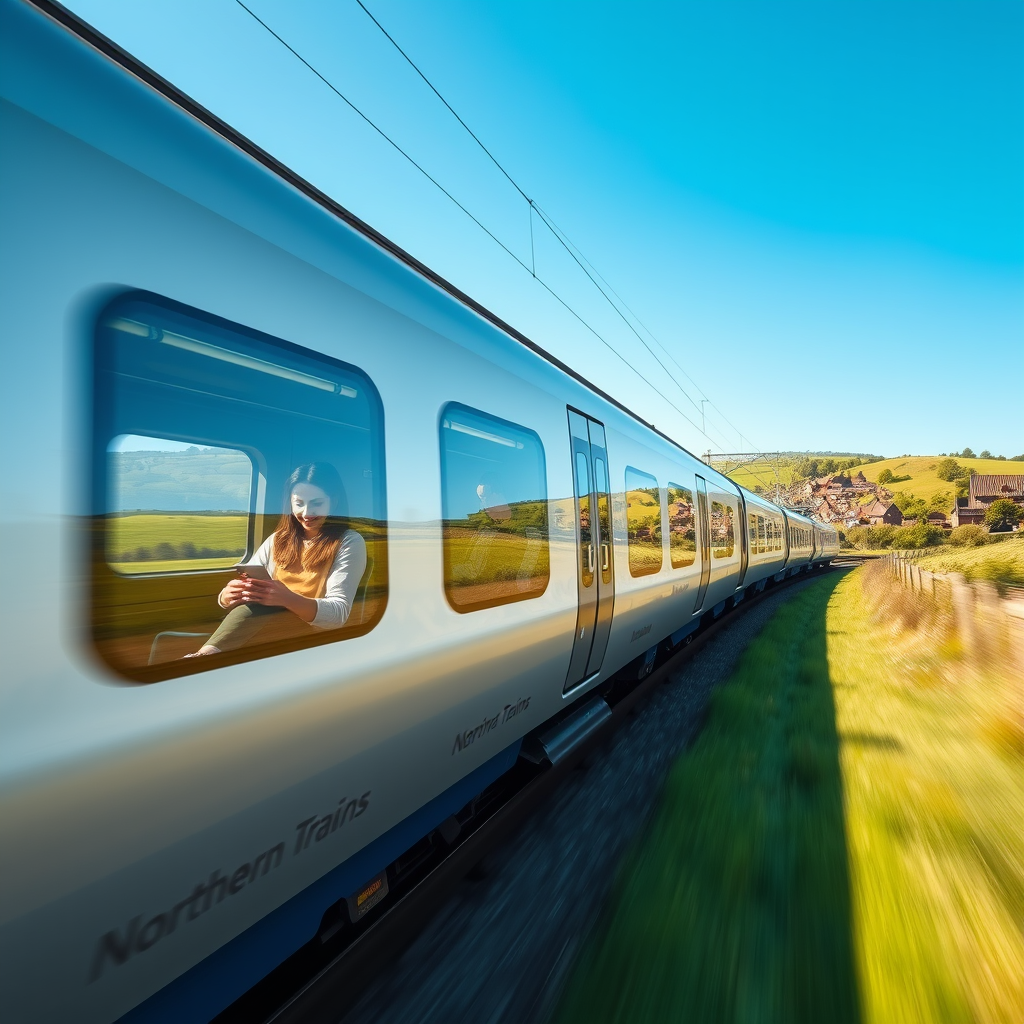
This article focuses into the ambitious fleet modernization plan undertaken by Northern Trains, a significant British train operating company. The plan involves the procurement and deployment of up to 450 new trains, representing a substantial investment in upgrading its rolling stock and significantly improving passenger experience across the North of England. This undertaking is not merely a matter of replacing aging assets; it signifies a strategic shift toward enhanced sustainability, technological advancement, and improved operational efficiency. The phased rollout, expected to commence in 2030, promises to revitalize rail travel in the region, addressing critical issues of aging infrastructure and aligning with national decarbonization goals. The process of selecting manufacturers, negotiating contracts, and strategically phasing in the new trains will be examined in detail, highlighting the complexities and opportunities involved in such a large-scale project. Additionally, the environmental impact of this modernization, focusing on the transition from diesel to electric and battery-powered trains, will be explored.
The Need for Modernization
Northern Trains’ existing fleet contains a significant number of trains that are nearing or have exceeded their operational lifespan. Almost 60% of the current fleet consists of units aged between 32 and 40 years, leading to increased maintenance costs, reduced reliability, and a subpar passenger experience. The age of these trains, many of which date back to the 1980s and 90s (e.g., Class 150, 155, and 156 units), directly impacts operational efficiency and negatively affects passenger satisfaction. The urgent need for modernization is evident, impacting not just customer satisfaction, but also the overall sustainability and viability of Northern Trains’ operations. Replacing these aging assets is critical for improving punctuality, reducing delays caused by mechanical failures, and enhancing the overall quality of the rail services.
Procurement and Technological Advancements
The procurement process involves a competitive bidding process, inviting proposals from leading rail manufacturers such as Alstom, CAF, Hitachi, Siemens, and Stadler. The selection criteria will prioritize not only cost-effectiveness but also technological innovation, focusing on enhancing passenger comfort, reliability, and sustainability. The new fleet will incorporate state-of-the-art technologies to address the evolving needs of modern commuters. This includes the integration of advanced passenger information systems, improved accessibility features for passengers with disabilities, and enhanced onboard comfort amenities. The specifications emphasize the use of electric and multi-modal (diesel/electric) trains, with a strong push for battery-powered options to align with the UK government’s net-zero emission targets. The possibility of converting multi-modal units to fully electric or battery operation in the future demonstrates long-term commitment to environmental sustainability.
Phased Implementation and Environmental Impact
The introduction of the new trains will be implemented in a phased manner, prioritizing the replacement of the oldest units first. This strategic approach minimizes disruption to services and allows for a smooth transition. The initial phase targets the Class 150, 155, and 156 trains, including an initial order of 12 electric three-carriage trains for services connecting major cities such as York, Leeds, Huddersfield, and Manchester. Subsequent phases will systematically replace other aging fleets. The gradual phasing out of older diesel trains is expected to significantly improve air quality and reduce noise pollution in urban areas, contributing to a more environmentally friendly railway network. This phased approach will allow for adjustments and improvements based on feedback from operational experience.
Conclusion
The Northern Trains fleet upgrade represents a significant investment in the future of rail travel in the North of England. The procurement of up to 450 new trains, incorporating cutting-edge technology and emphasizing sustainable energy sources, marks a pivotal moment in the modernization of the region’s rail network. The phased approach, prioritizing the replacement of the oldest and least efficient units first, ensures a smooth transition while minimizing service disruptions. The emphasis on electric and battery-powered trains signifies a strong commitment to environmental sustainability and aligns with national decarbonization goals. Beyond the immediate benefits of improved passenger comfort, reliability, and punctuality, this project stimulates the UK’s rail manufacturing industry and creates jobs. The successful implementation of this project will not only enhance the passenger experience but also contribute significantly to a greener and more efficient railway system, ultimately benefiting both the economy and the environment of the North of England. The long-term success of this initiative will depend on effective project management, collaboration between stakeholders, and a continued commitment to innovation and sustainability.

Transport and railway industry editor covering global rail infrastructure, sustainable mobility, urban transit systems and next-generation railway technologies with a focus on accessible and industry-focused reporting.
RELATED POSTS

October 1, 2026 7:09 am
United States regulators confirmed a September 30 deadline for the...

October 8, 2026 1:15 pm
Alstom secured a €1bn contract to build 13 automated trains,...

October 4, 2026 5:14 pm
Alstom secured a CA$4.7 billion order from VIA Rail Canada...

October 4, 2026 11:08 pm
Sound Transit confirmed the September 30 opening of Seattle Pinehurst...
October 1, 2026 10:14 am
HS2 installed a 55-metre steel span in Birmingham, completing phase...

October 5, 2026 6:12 pm
AECOM and Jacobs secured a contract in September 2026 to...