
Northern Rail’s £500M Train Revolution: CAF Fleet Upgrade
The introduction of 101 new CAF-built trains on Northern Rail’s fleet represents a substantial upgrade in comfort, efficiency, and accessibility, marking a significant shift from the aging Pacer fleet while addressing longstanding customer complaints and preparing for future rail modernization efforts.
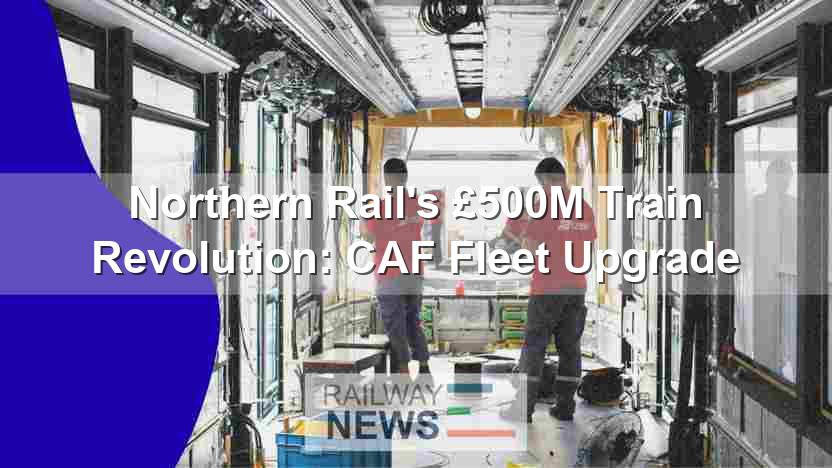
This article explores the significant upgrade to Northern Rail’s fleet with the introduction of 101 new CAF (Construcciones y Auxiliar de Ferrocarriles) trains, representing a substantial investment in Northern England’s rail infrastructure. This modernization project, funded by Eversholt Rail Group, marks a considerable step forward in passenger comfort and operational efficiency. The phased rollout, commencing with nine trains on key routes, signifies a substantial shift from the older Pacer trains, known for their limitations in passenger experience and technological capabilities. We will examine the specifics of these new trains, the logistical challenges of their deployment, the long-term implications for Northern Rail and its passengers, and the broader context of this investment within the UK’s ongoing rail modernization efforts. The financial commitment of £500 million underlines the scale of the transformation and its projected impact on the regional economy and commuting patterns.
The Arrival of Modern Rolling Stock
The introduction of the first nine CAF-built trains (Class 195 and Class 331 units) on July 1st, 2019 marked a pivotal moment for Northern Rail. These trains, manufactured in Spain and Wales, offer a significant improvement over the aging Pacer fleet. Key features include air-conditioning, at-seat power outlets, free Wi-Fi, real-time passenger information systems, and dedicated spaces for wheelchairs and bicycles. This enhancement in passenger amenities directly addresses longstanding customer complaints about comfort and accessibility on Northern Rail’s network.
Deployment and Operational Integration
The phased rollout of the 101 trains across various routes throughout 2019 and 2020 presented significant logistical challenges. Coordinating the introduction of new rolling stock with existing schedules, driver training, and maintenance requirements demanded meticulous planning and coordination between Northern Rail, Eversholt Rail Group, CAF, and other stakeholders. The success of the initial deployment on routes between Doncaster and Leeds, Cumbria and Manchester Airport, and Liverpool to Manchester Airport provided a crucial benchmark for subsequent phases of the project. Careful consideration was given to minimizing disruption to passengers during the transition.
Replacing the Pacer Fleet and Beyond
A primary driver for this investment was the planned decommissioning of the outdated Pacer trains. These trains, known for their age and lack of modern amenities, have been gradually phased out, with the complete retirement expected by the end of 2019. Replacing the Pacers with the modern CAF fleet represents a marked improvement in service quality, significantly enhancing the overall passenger experience and reducing maintenance costs. This transition marks a significant step towards modernizing the UK’s regional rail networks.
The Broader Context of Rail Modernization
The £500 million investment in Northern Rail’s new fleet is part of a broader national strategy to upgrade the UK’s railway infrastructure. This commitment to improving passenger comfort and operational efficiency reflects the government’s recognition of the vital role of rail transport in supporting economic growth and social inclusion. The success of this project serves as a valuable case study for future rail modernization initiatives across the country, highlighting the importance of collaborative partnerships between private and public sectors.
Conclusions
The introduction of the CAF-built trains by Northern Rail signifies a transformative upgrade to its passenger services. The replacement of the aging Pacer fleet with modern, technologically advanced rolling stock, boasting amenities such as air conditioning, power outlets, Wi-Fi, and improved accessibility, marks a substantial improvement in passenger experience. The phased deployment of the 101 new trains, meticulously planned and executed by Northern Rail, Eversholt Rail Group, and CAF, showcases a successful collaboration in large-scale infrastructure projects. The £500 million investment highlights the commitment to improving regional rail networks, boosting economic growth and social inclusion. The logistical complexities of integrating a new fleet, including driver training and maintenance procedures, were effectively managed. This project serves as a model for future railway modernization efforts, demonstrating the benefits of collaborative partnerships and strategic investments in improving passenger transport infrastructure. The long-term success will depend on continued maintenance, effective operational management, and adaptation to evolving passenger needs. Ultimately, this modernization significantly enhances the attractiveness and efficiency of rail travel in Northern England, setting a benchmark for improvements throughout the UK’s railway system.

Railway infrastructure, rolling stock and transport technologies specialist focused on global rail industry developments, high-speed rail systems, signaling technologies and freight transportation. Covering railway investments, public transport modernization, rail operations and international mobility projects across Europe, Asia and North America.
RELATED POSTS

October 8, 2026 1:15 pm
Alstom secured a €1bn contract to build 13 automated trains,...

October 1, 2026 7:09 am
United States regulators confirmed a September 30 deadline for the...

October 8, 2026 12:18 pm
Siemens Mobility signed an agreement with VinSpeed to supply 350...

October 4, 2026 5:14 pm
Alstom secured a CA$4.7 billion order from VIA Rail Canada...

October 5, 2026 6:12 pm
AECOM and Jacobs secured a contract in September 2026 to...

October 4, 2026 11:08 pm
Sound Transit confirmed the September 30 opening of Seattle Pinehurst...