
Norfolk Southern Upgrades 96 SD70M-2 Locomotives 2027-2029
Norfolk Southern Railway contracted Progress Rail to modernize 96 SD70M-2 locomotives into AC-traction units between 2027 and 2029.
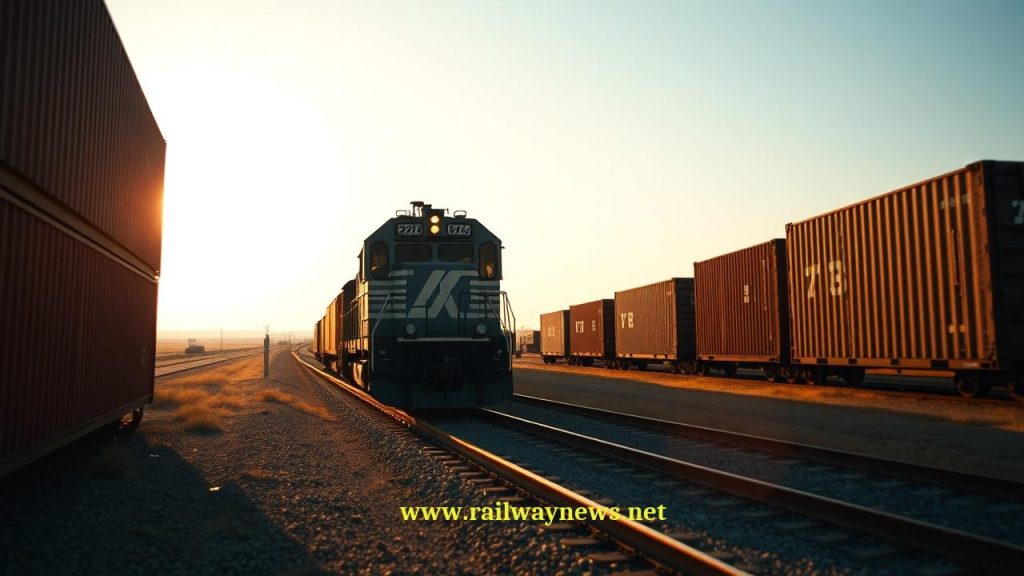
⚡ In Brief: Progress Rail, a Caterpillar subsidiary, will modernize 96 of Norfolk Southern Railway’s SD70M-2 locomotives into SD70ICC AC-traction units between 2027 and 2029, enabling three upgraded units to perform the work of four legacy locomotives.
[CHICAGO, IL] – Norfolk Southern Railway has contracted Caterpillar’s Progress Rail subsidiary to execute a multi-year modernization program covering 96 locomotives. The agreement will transform legacy EMD® SD70M-2 units into SD70ICC models featuring AC traction technology. Deliveries are scheduled to begin in 2027 and conclude by 2029.
What Does This Contract Cover?
The contract entails the complete overhaul of 96 EMD SD70M-2 locomotives, which currently use DC traction motors. Each unit will be remanufactured with a 16-cylinder EMD 710 engine rated at 4,300 horsepower, equipped with modern control systems, and converted to an AC traction platform. This modernization results in a 25% efficiency gain, allowing Norfolk Southern to haul the same tonnage with fewer locomotives.
Key Contract Data
| Parameter | Value |
|---|---|
| Contract Name | SD70M-2 to SD70ICC Modernization Program |
| Total Value | Not disclosed |
| Parties Involved | Norfolk Southern Railway (Client), Progress Rail (Supplier) |
| Timeline / Completion | 2027 – 2029 |
| Country / Corridor | United States |
How Does This Compare to Similar Contracts?
This locomotive modernization strategy aligns with a broader North American Class I railroad trend of upgrading existing assets rather than purchasing new ones. The approach offers significant capital savings compared to acquiring new Tier 4 locomotives, which can cost upwards of $3 million per unit. While passenger rail projects like Sound Transit’s light rail expansion face multi-billion dollar funding challenges (Source: KOMO News, 2024), freight operators are using modernization to improve fuel efficiency and reliability without the major capital investment or long lead times associated with new builds.
Editor’s Analysis
Norfolk Southern’s decision reflects a calculated fleet strategy focused on capital efficiency and extending the service life of proven platforms. By converting to AC traction and upgrading engine controls, the railway can achieve performance and fuel economy gains comparable to newer models at a fraction of the cost. This asset-optimization approach is becoming standard practice for Class I operators aiming to lower operating ratios and reduce emissions amid financial and regulatory pressures.
FAQ
Q: Why is Norfolk Southern modernizing these locomotives instead of buying new ones?
A: Modernization provides significant fuel savings and performance improvements without the higher capital investment and longer lead times required for new locomotives. This strategy allows Norfolk Southern to upgrade its fleet in a more capital-efficient manner.
Q: What is the main benefit of AC traction technology?
A: AC traction motors offer superior adhesion and pulling power, especially at low speeds, compared to older DC motors. This allows a locomotive to pull heavier trains and perform more reliably in adverse weather conditions, increasing overall network efficiency.
Q: Will this modernization affect the locomotive’s emissions compliance?
A: The upgraded EMD 710 engines and Caterpillar control systems are designed to improve fuel efficiency, which directly reduces overall emissions. The specific EPA Tier compliance level for the remanufactured units was not disclosed in the announcement.

Railway infrastructure, rolling stock and transport technologies specialist focused on global rail industry developments, high-speed rail systems, signaling technologies and freight transportation. Covering railway investments, public transport modernization, rail operations and international mobility projects across Europe, Asia and North America.
RELATED POSTS

October 8, 2026 1:15 pm
Alstom secured a €1bn contract to build 13 automated trains,...

October 1, 2026 7:09 am
United States regulators confirmed a September 30 deadline for the...

October 8, 2026 12:18 pm
Siemens Mobility signed an agreement with VinSpeed to supply 350...

October 4, 2026 5:14 pm
Alstom secured a CA$4.7 billion order from VIA Rail Canada...

October 5, 2026 6:12 pm
AECOM and Jacobs secured a contract in September 2026 to...

October 1, 2026 12:13 am
Illinois approved $1.5 billion annually for the Northern Illinois Transit...