
Network Rail’s CP7: £45.5bn Rail Revolution
Network Rail’s CP7 Plan prioritizes climate resilience and infrastructure renewal by investing £45.5 billion over five years, focusing on enhancing weather resistance, constructing drainage systems to mitigate flooding, and renewing existing rail infrastructure while ensuring operational performance improvements.
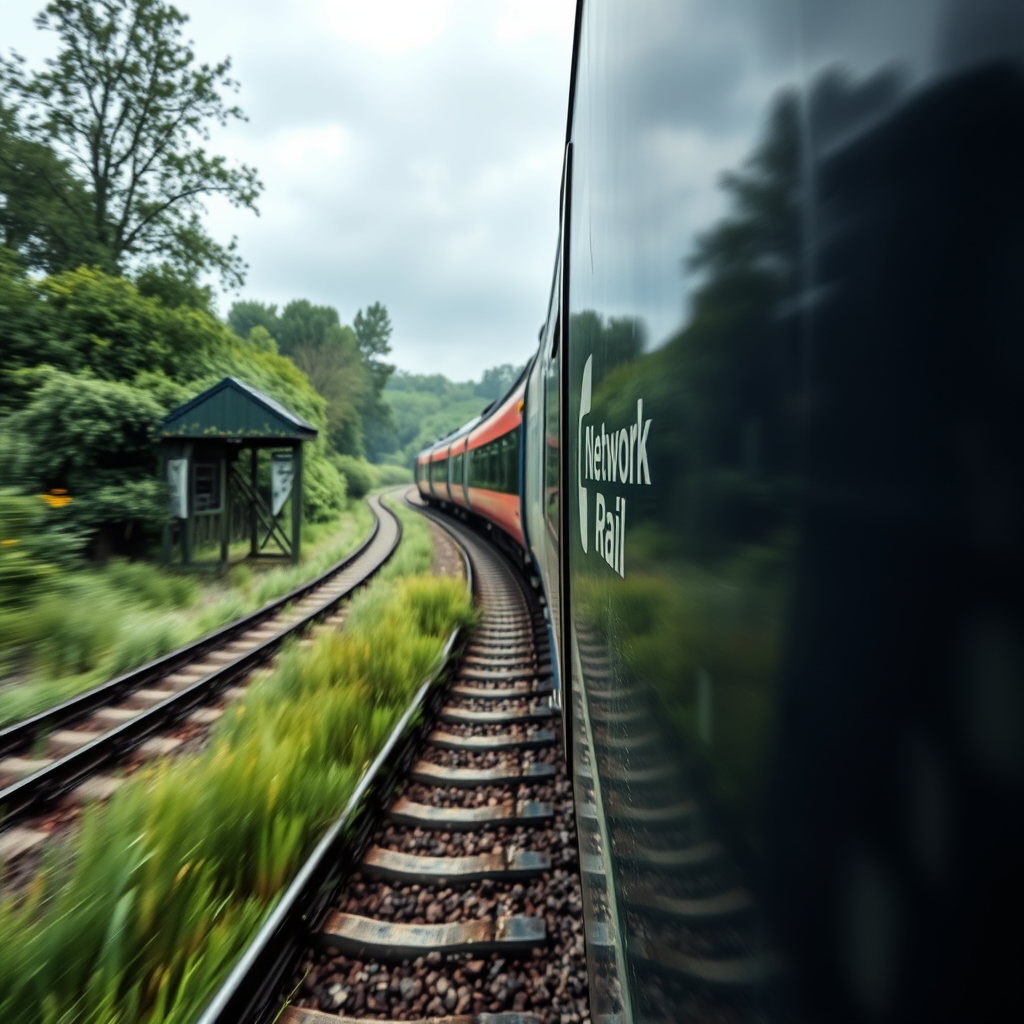
Network Rail’s Control Period 7 (CP7) plan, covering the next five years, represents a significant investment in the UK’s rail infrastructure, totaling £45.5 billion ($57.4 billion). This ambitious plan prioritizes enhancing the resilience of the network against the increasing impacts of climate change, while simultaneously addressing the need for substantial infrastructure renewal and improved operational performance. This article will delve into the key elements of the CP7 plan, examining its focus on climate change adaptation, investment strategies, technological advancements, and the overall implications for the future of the UK rail system. The plan’s success hinges on effective collaboration between Network Rail, the UK government, and the wider rail industry to ensure timely implementation and coordination of projects.
Climate Change Adaptation: A Central Focus
Network Rail has explicitly identified climate change as the most significant challenge facing the rail network. The CP7 plan dedicates considerable resources to improving weather resilience. This includes investing in early warning systems, such as GUSTO (Geographic Understanding of Surface Topography for Operational predictions), a technology that uses topographical data to predict wind speeds and optimize train operations during adverse weather. Additionally, the plan commits to constructing or rebuilding over 600km of drainage systems to mitigate the effects of heavier rainfall and flooding. The recruitment of nearly 400 additional drainage engineers underscores the commitment to improving the ongoing maintenance and upkeep of these vital systems. These proactive measures reflect a shift towards a more preventative approach to managing the risks posed by extreme weather events, aiming to minimize disruptions and ensure the continued reliability of the rail network.
Strategic Infrastructure Investment: Maintenance and Renewal
The CP7 plan allocates a substantial £12.6 billion (a 6% increase from CP6) for maintenance activities, reflecting a significant commitment to preserving the existing infrastructure. This investment aims to address the ongoing challenge of maintaining an aging rail network, enhancing its longevity, and preventing costly failures down the line. Concurrently, £19.3 billion is earmarked for renewals across Network Rail’s five regional organizations. This investment targets the replacement of worn-out assets and the implementation of upgrades to enhance the overall efficiency and capacity of the network. This balanced approach to both maintenance and renewal is crucial for ensuring the long-term sustainability and reliability of the UK’s rail infrastructure.
Technological Advancements and Operational Efficiency
The plan’s emphasis on technological advancements is evident in the adoption of systems like GUSTO, improving operational efficiency and safety during extreme weather. Beyond GUSTO, the plan implicitly supports ongoing advancements in centralized train control systems and the continued expansion of electric locomotives, contributing to both operational efficiency and environmental sustainability. The integration of advanced technologies plays a pivotal role in enhancing network resilience, optimizing resource allocation, and improving the overall passenger experience. This commitment to technological modernization positions the UK rail network for future challenges and opportunities.
Funding and Collaboration: A Multi-Stakeholder Approach
The CP7 plan’s financing demonstrates a collaborative approach involving the UK and Scottish Governments (£29.8 billion), track access charges from rail operators (£13.8 billion), and Network Rail’s commercial income (£1.7 billion). This multi-faceted funding model ensures financial stability and underlines the shared responsibility in maintaining and improving the nation’s rail network. The Railway Industry Association (RIA) has called for greater transparency regarding the government’s planned network enhancements, highlighting the importance of clear communication and coordination between stakeholders to ensure effective project delivery. This collaborative approach is crucial for maximizing the impact of the CP7 investments and fostering a unified vision for the future of the UK’s rail infrastructure.
Conclusion
Network Rail’s CP7 plan signifies a significant investment in the future of the UK’s rail network, prioritizing climate change adaptation, infrastructure renewal, and technological advancement. The substantial allocation of funds towards maintenance and renewals demonstrates a commitment to addressing the challenges of an aging infrastructure and ensuring the long-term sustainability of the network. The integration of advanced technologies, such as GUSTO, enhances both operational efficiency and resilience against extreme weather. The plan’s success depends heavily on the continued collaboration between Network Rail, the UK government, and other stakeholders. Open communication, transparency in project planning, and a shared commitment to the timely execution of projects are paramount to achieving the ambitious goals outlined in the CP7 plan. The successful implementation of this plan will not only enhance the reliability and performance of the rail network but also contribute significantly to the UK’s wider efforts in combating climate change and ensuring a sustainable transportation system. The clear focus on resilience building against the impacts of climate change marks a crucial step towards future-proofing the rail infrastructure and ensuring its continued effectiveness in serving the nation’s transportation needs for years to come. The collaborative funding model, involving government bodies and rail operators, highlights the shared responsibility for the network’s success, emphasizing the importance of a unified and collaborative approach across all stakeholders.

Railway infrastructure, rolling stock and transport technologies specialist focused on global rail industry developments, high-speed rail systems, signaling technologies and freight transportation. Covering railway investments, public transport modernization, rail operations and international mobility projects across Europe, Asia and North America.
RELATED POSTS

October 1, 2026 7:09 am
United States regulators confirmed a September 30 deadline for the...

October 8, 2026 1:15 pm
Alstom secured a €1bn contract to build 13 automated trains,...

October 4, 2026 5:14 pm
Alstom secured a CA$4.7 billion order from VIA Rail Canada...

October 8, 2026 12:18 pm
Siemens Mobility signed an agreement with VinSpeed to supply 350...

October 5, 2026 6:12 pm
AECOM and Jacobs secured a contract in September 2026 to...

October 4, 2026 11:08 pm
Sound Transit confirmed the September 30 opening of Seattle Pinehurst...