
Network Rail’s £800m Rail Investment Boosts Safety & Efficiency
Network Rail’s £800m investment in rail haulage transforms UK rail operations. Discover how enhanced efficiency and strategic partnerships boost safety and reliability!
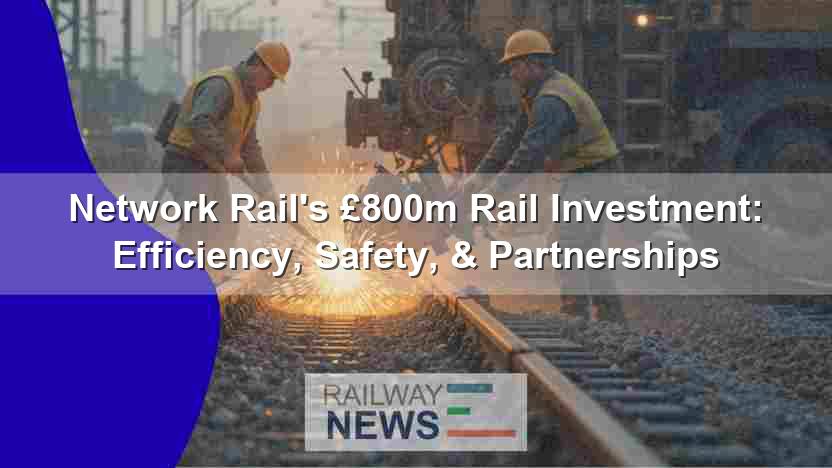
This article explorers into the strategic implications of Network Rail’s (NR) decision to award £800 million in contracts for rail haulage and seasonal services. This significant investment, spanning Control Period 6 (CP6, 2019-2024), represents a substantial shift in NR’s procurement strategy, moving towards a more collaborative and flexible approach with its supply chain partners. The awarding of these contracts to Freightliner, GB Railfreight, Direct Rail Services (DRS), DB Cargo UK, and Colas Rail UK signifies a multi-faceted approach to enhancing operational efficiency, improving safety standards, and ensuring the reliable delivery of both passenger and freight services across the UK rail network. The analysis will examine the rationale behind this investment, the specific services covered by the contracts, and the long-term impact on the overall performance and sustainability of the rail infrastructure. We will also consider the implications of this approach for the future of rail infrastructure maintenance and operations in the UK.
Enhanced Operational Efficiency and Safety
The contracts awarded focus on optimizing the operation and maintenance of Network Rail’s engineering trains, encompassing the transport of bulk materials like ballast, and the execution of possession engineering works (planned closures of sections of track for maintenance). Outsourcing these tasks to specialized freight operators allows NR to concentrate on its core competencies – infrastructure management and strategic planning – while leveraging the expertise and efficiency of dedicated haulage providers. Additionally, the integration of supply chain operations and local distribution centers into the contracts improves logistical efficiency, reducing transit times and optimizing resource allocation. This enhanced efficiency directly translates to improved safety by reducing the time spent on the network by NR’s own personnel during maintenance operations.
Seasonal Service Provision and Infrastructure Upkeep
A critical aspect of the contracts is the provision of seasonal services, addressing the specific challenges posed by varying weather conditions. This includes weed control, autumn/winter maintenance (MPV – Multi Purpose Vehicle services), and winter snow and ice treatment (SITT – Snow and Ice Treatment Train). The allocation of these services across multiple contractors ensures redundancy and resilience, mitigating the risk of service disruptions during adverse weather events. The use of specialized equipment, operated by experienced contractors, ensures the timely and effective execution of these crucial tasks, which are vital for maintaining the operational integrity of the rail network throughout the year.
Collaborative Procurement and Strategic Partnerships
Network Rail’s adoption of a more collaborative and commercially creative approach is a pivotal shift in its procurement strategy. The emphasis on mutual benefit and long-term partnerships fosters stronger relationships with its supply chain partners, promoting innovation and shared responsibility. This approach contrasts with previous, potentially more adversarial, procurement models, resulting in a more efficient and integrated working relationship which extends beyond the transactional nature of a standard contract.
Impact and Future Implications
The £800 million investment represents a significant commitment to enhancing the efficiency and resilience of the UK rail network. The strategic partnerships forged through these contracts are poised to deliver significant improvements in operational performance, safety, and the overall quality of service for passengers and freight customers. The integrated approach to haulage, infrastructure maintenance, and seasonal service provision ensures a cohesive and well-coordinated response to the diverse challenges faced in maintaining a complex and extensive rail network. This approach can serve as a model for other infrastructure projects, highlighting the benefits of collaborative procurement and strategic partnerships in delivering complex, large-scale infrastructure projects.
Conclusions
Network Rail’s award of £800 million in contracts for rail haulage and seasonal services signifies a proactive and strategic investment in the future of the UK rail network. By outsourcing specialized tasks to experienced contractors and adopting a collaborative procurement model, NR has demonstrably improved efficiency and safety across its operations. The focus on seasonal services ensures the network’s resilience against adverse weather conditions, mitigating the risk of service disruptions. The long-term implications of this approach extend beyond financial gains; it fosters stronger, more strategic partnerships with key players in the rail industry. This innovative approach underscores a move towards a more integrated and efficient management of rail infrastructure, setting a potential benchmark for future rail projects globally and highlighting the advantages of a collaborative, commercially creative approach to rail network management.
The success of this initiative will depend on effective monitoring and evaluation of the performance of the contractors, ensuring that the agreed-upon service levels are consistently met. Continuous communication and collaboration between Network Rail and its supply chain partners will be vital in optimizing the efficiency and effectiveness of these contracts, ultimately contributing to a more robust and reliable rail network for the benefit of all stakeholders.

Transport and railway industry editor covering global rail infrastructure, sustainable mobility, urban transit systems and next-generation railway technologies with a focus on accessible and industry-focused reporting.
RELATED POSTS

October 8, 2026 1:15 pm
Alstom secured a €1bn contract to build 13 automated trains,...

October 1, 2026 7:09 am
United States regulators confirmed a September 30 deadline for the...

October 4, 2026 5:14 pm
Alstom secured a CA$4.7 billion order from VIA Rail Canada...

October 5, 2026 6:12 pm
AECOM and Jacobs secured a contract in September 2026 to...

October 1, 2026 12:13 am
Illinois approved $1.5 billion annually for the Northern Illinois Transit...

October 4, 2026 11:08 pm
Sound Transit confirmed the September 30 opening of Seattle Pinehurst...