
Network Rail Completes Portsmouth Upgrade: Digital Boost for Commuters
Network Rail completes the £129M Portsmouth Direct Upgrade, with a £49M digital signalling overhaul. Boosting reliability and safety on a key commuter route.
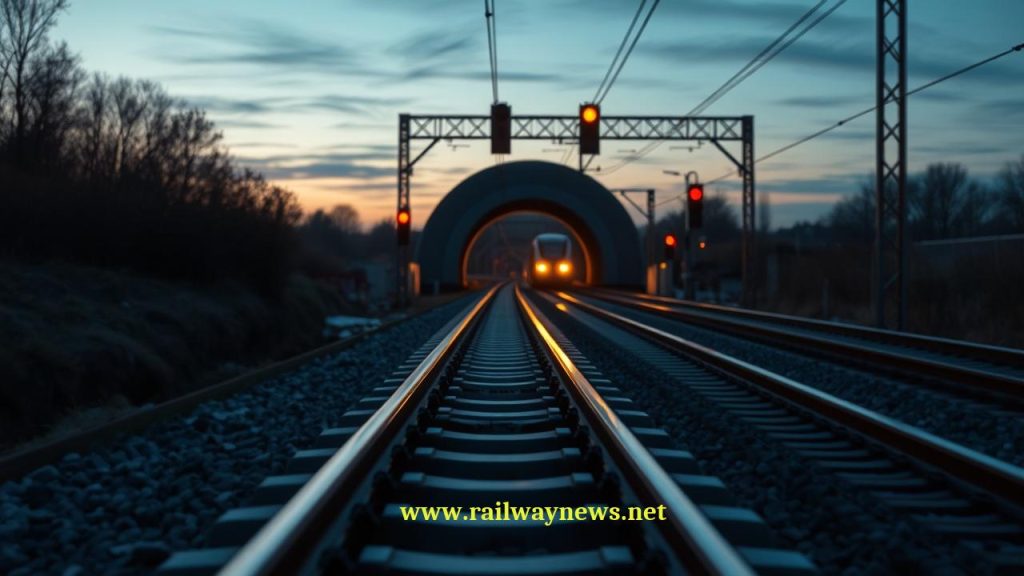
Network Rail has concluded its £129 million Portsmouth Direct Upgrade programme, culminating in a £49 million final phase that modernises a 150-year-old section of track with digital-ready signalling technology. This major investment on one of the UK’s busiest commuter routes into London Waterloo is designed to significantly boost reliability, safety, and operational efficiency for both passenger and freight services.
| Category | Details |
|---|---|
| Project Name | Portsmouth Direct Upgrade (Final Phase) |
| Total Investment | £129 million (Wider Programme); £49 million (Final Phase) |
| Location | Guildford to Havant, on the London Waterloo to Portsmouth Harbour line |
| Key Stakeholders | Network Rail & MSFA Southern Region Partners |
| Core Technology | SmartIO Object Controllers, LED Signals, Obstacle Detection |
| Completion Window | November – December 2025 |
The final, £49 million stage of the programme focused on the line between Guildford and Havant, a critical artery for services into London. The work, delivered as part of the Major Signalling Framework Agreement (MSFA) for the Southern Region, was completed during a planned nine-day closure in November 2025. “This £129 million investment brings the route firmly into the modern era, with new signalling and safer level crossings that will make journeys more reliable and reduce the need for future closures,” stated the Operations Director at Network Rail, thanking passengers for their patience.
At the heart of the technological leap forward is the introduction of a digital SmartIO system. This technology connects trackside assets like signals and points directly to a central control hub, enhancing safety and maintenance efficiency. During the closure, engineers installed 17 new SmartIO object controllers, tested 90 new energy-efficient LED signals, and laid over 30km of new cable. A key sustainability feature of the new trackside equipment housings is that they operate without requiring air conditioning, heating, or domestic power supplies. Additionally, seven level crossings were upgraded with new obstacle-detection technology, CCTV cameras for signallers, and miniature stop lights at two foot crossings to improve public safety.
This project is a cornerstone of Network Rail’s broader strategy to modernise the UK’s rail infrastructure, particularly on high-traffic routes serving major hubs like London Waterloo. The use of planned closures, such as those often scheduled over holiday periods like Christmas and New Year, allows for major upgrades to be carried out with minimised disruption to daily commuter traffic. “Modernising a route that dates back more than 150 years creates a foundation for the digital railway of the future,” said the Digital and Integrated Systems Managing Director UK and Ireland, highlighting the project’s forward-looking impact and the successful partnership with Network Rail.
Key Takeaways
- Major Investment Complete: The £49 million project marks the completion of the wider £129 million Portsmouth Direct Upgrade, enhancing a vital commuter and freight line.
- Digital and Sustainable Tech: The rollout of SmartIO object controllers and low-power LED signals provides a template for modernising legacy lines efficiently and sustainably.
- Enhanced Safety & Reliability: Upgrades to 90 signals and seven level crossings are set to reduce faults, improve service reliability, and increase safety for both rail and road users.
Editor’s Analysis
The completion of the Portsmouth Direct Upgrade is more than a regional success; it serves as a crucial case study in the “brownfield” digitisation of legacy rail networks. By retrofitting a 150-year-old line with decentralised, low-power SmartIO technology, Network Rail demonstrates a scalable and cost-effective model for modernisation that avoids the prohibitive expense of a complete rebuild. This approach is vital for mature rail markets globally, which must balance the drive for digital transformation with the reality of aging infrastructure and fiscal constraints. The project’s success underscores a strategic shift towards more distributed, resilient, and sustainable signalling architectures, paving the way for the future digital railway without abandoning the past.
Frequently Asked Questions
- What was the total cost of the Portsmouth Direct Upgrade?
- The entire upgrade programme involved a £129 million investment. The final phase of work, focusing on signalling and level crossings, cost £49 million.
- What is the main new technology introduced in this project?
- The core innovation is the digital SmartIO system. This connects trackside equipment like signals and points directly to a central control system, making the railway safer, more efficient, and easier to maintain.
- How will this upgrade benefit passengers?
- Passengers on the busy London Waterloo to Portsmouth Harbour route can expect more reliable journeys with fewer delays caused by signal failures. The upgrades also enhance safety at level crossings and will reduce the need for future unplanned line closures for maintenance.

Railway infrastructure, rolling stock and transport technologies specialist focused on global rail industry developments, high-speed rail systems, signaling technologies and freight transportation. Covering railway investments, public transport modernization, rail operations and international mobility projects across Europe, Asia and North America.
RELATED POSTS

October 1, 2026 7:09 am
United States regulators confirmed a September 30 deadline for the...

October 8, 2026 1:15 pm
Alstom secured a €1bn contract to build 13 automated trains,...

October 4, 2026 5:14 pm
Alstom secured a CA$4.7 billion order from VIA Rail Canada...

October 1, 2026 12:13 am
Illinois approved $1.5 billion annually for the Northern Illinois Transit...

October 6, 2026 2:14 am
Union Pacific launched export rail shipments with Ferromex to deliver...

October 1, 2026 6:10 am
Amtrak approved a System Expansion Committee on July 30 to...