
Moldova Rail Electrification: EU Boosts Infrastructure Modernisation
EU funds Moldova’s railway electrification, modernizing the Iași–Ungheni line.
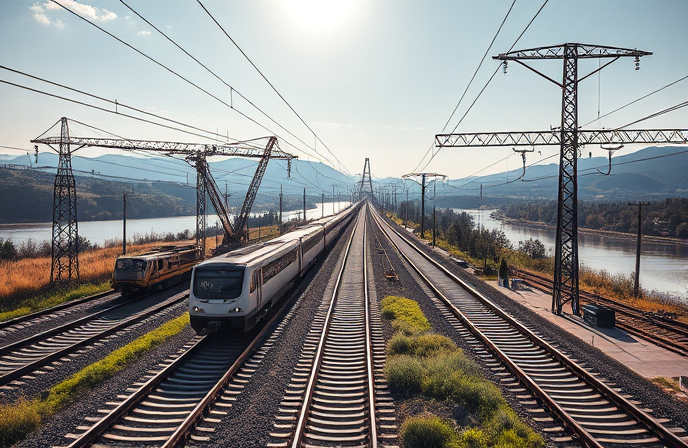
Moldova’s Rail Network Electrification Receives EU Boost, Ushering in Modernisation
The European Commission has greenlit funding for the electrification of Moldova’s inaugural railway segment, a critical milestone in the nation’s integration into the broader European transport network. The initiative centers on the 25-kilometer Iași–Ungheni railway line, encompassing the strategically important cross-border bridge spanning the Prut River. This project, approved in 2025, will be fully electrified and undergo detailed rehabilitation with non-reimbursable financial support from the European Union’s Connecting Europe Facility (CEF). The project, spearheaded by Moldova’s Ministry of Infrastructure and Regional Development (MIDR), was selected from a vast pool of international applications. The impetus for this electrification stems from a drive to modernize Moldova’s infrastructure, reduce transit times, and align the nation’s transport capabilities with the EU’s standards, bolstering economic ties and promoting sustainable development. The signing of agreements is scheduled for October 2025, with construction slated to begin in June 2026 and a projected completion date of June 2028.
Strategic Alignment and Project Scope
The Iași–Ungheni railway project represents a substantial commitment to cross-border rail infrastructure. The electrification of the track, with 21 km of the section located on Romanian territory, reflects a strategic vision of increased connectivity between Moldova and the EU. The project’s core objective is to elevate operational efficiency and environmental sustainability within the rail system. The EU-backed CEF program, a critical funding mechanism, supports key infrastructure projects aligned with the Trans-European Transport Network (TEN-T) guidelines. This railway corridor holds significant economic importance and is pivotal for facilitating smoother and more efficient movement of goods and people, thereby stimulating economic activity.
Technical Specifications and Enhanced Capabilities
The MIDR-led project promises transformative upgrades to the Iași–Ungheni line’s operational capabilities. Once electrified, the track is designed to accommodate passenger trains at speeds up to 140 km/h, vastly improving travel times and passenger experience. Freight services will also see substantial improvements, with operational speeds projected to reach 80 km/h. The electrification system will likely employ state-of-the-art technologies to ensure reliability and reduce maintenance costs. The project will incorporate modern signalling and control systems, optimizing overall railway performance and improving safety standards in line with European practices. These improvements are directly tied to reducing delays and optimizing operational costs for rail operators.
Environmental and Economic Impact Assessment
A significant advantage of railway electrification is its ability to substantially reduce the carbon footprint of the transport sector. By transitioning from diesel-powered locomotives to electric trains, the project contributes to the reduction of greenhouse gas emissions, aligning with both the EU’s environmental objectives and Moldova’s commitments under international climate agreements. The electrification project is projected to lead to significant cost savings in the long term due to reduced fuel and maintenance expenses, further boosting the economic viability of the railway. The project’s benefits extend beyond emissions reductions, enhancing regional connectivity and fostering economic growth, attracting both freight and passenger traffic.
Funding, Timelines and Future Prospects
The financing for the electrification of the Iași–Ungheni segment comes as part of a broader EUR 2.8 billion investment package, demonstrating the EU’s commitment to bolstering infrastructure within its partner countries. The official financial agreements are expected to be finalized in October 2025, setting the stage for construction to commence in June 2026, with a completion date targeted for June 2028. These timelines reflect an understanding of the engineering and logistical complexities inherent in infrastructure development projects, especially those involving cross-border cooperation. This initial project will likely serve as a catalyst for future initiatives, fostering continued modernisation and enhanced rail integration across Moldova, potentially leading to investments in other critical lines.
Conclusion
The European Commission’s approval of funding for the Iași–Ungheni railway electrification represents a major stride in Moldova’s rail modernization program. The project’s positive influence will be multi-faceted: from the acceleration of rail travel times and the reduction of freight costs, to the lowering of carbon emissions and promotion of cross-border economic activity. This project is a significant component of Moldova’s strategic goals to improve ties with the European Union and foster economic growth. This investment sets the stage for future expansion and integration, including further modernizations and alignment of Moldovan rail standards with those of the EU, improving regional connectivity and economic prospects. This project is not only an infrastructure upgrade but also a vital contribution to promoting sustainability and regional partnership.

Railway infrastructure, rolling stock and transport technologies specialist focused on global rail industry developments, high-speed rail systems, signaling technologies and freight transportation. Covering railway investments, public transport modernization, rail operations and international mobility projects across Europe, Asia and North America.
RELATED POSTS

October 8, 2026 1:15 pm
Alstom secured a €1bn contract to build 13 automated trains,...

October 1, 2026 7:09 am
United States regulators confirmed a September 30 deadline for the...

October 4, 2026 5:14 pm
Alstom secured a CA$4.7 billion order from VIA Rail Canada...

October 5, 2026 6:12 pm
AECOM and Jacobs secured a contract in September 2026 to...

October 1, 2026 12:13 am
Illinois approved $1.5 billion annually for the Northern Illinois Transit...

October 4, 2026 11:08 pm
Sound Transit confirmed the September 30 opening of Seattle Pinehurst...