
Mitsubishi Electric Powers Dutch Rail: Sustainable Traction
Dutch railways get Mitsubishi Electric’s advanced traction systems for 60 double-decker trains. Partnership with CAF boosts efficiency and reliability.
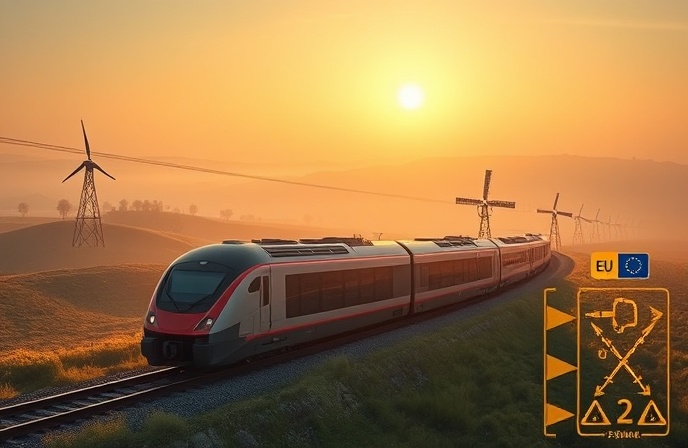
Mitsubishi Electric Powers Dutch Double-Decker Fleet with Advanced Traction Systems
Mitsubishi Electric has commenced the supply of traction systems for the new Double-Decker New Generation (DDNG) trains for Nederlandse Spoorwegen (NS), the Dutch national railway operator. This significant project, announced August 5, 2025, will see Mitsubishi Electric provide traction systems to Spanish rolling-stock manufacturer Construcciones y Auxiliar de Ferrocarriles (CAF). These systems will outfit 60 DDNG trains, comprising a total of 300 carriages, with initial deliveries beginning in July. This initiative underscores the growing demand for modern, efficient rail transport in the Netherlands. Why this partnership? The selection of Mitsubishi Electric was driven by the proven performance of their traction systems in enhancing railway safety and reliability, particularly in the NS’s Sprinter New Generation (SNG) fleet. The project involves a strong collaboration between Mitsubishi Electric and CAF, and will run through to 2031. This article will explore the specifics of the traction system, its technical specifications, and the broader implications for the rail industry.
Traction System Overview and Technical Specifications
The core of the project centers around Mitsubishi Electric’s advanced traction systems. These systems are responsible for converting electrical power into mechanical energy, enabling the trains to move efficiently and reliably. The DDNG trains utilize CAF’s designs and will integrate Mitsubishi Electric’s power conversion units, motors, and control systems. A crucial aspect is the system’s focus on regenerative braking, where the train’s kinetic energy is converted back into electrical energy and fed back into the power grid, increasing efficiency. The systems incorporate sophisticated control algorithms to optimize performance under varying load conditions and track gradients. Mitsubishi Electric aims to supply traction systems for a total of 266 trains, equating to 1,006 carriages by 2031. The systems’ reliability is key, and the existing traction systems implemented in the SNG trains since 2018 demonstrate their commitment to quality.
The Significance of the CAF-Mitsubishi Electric Collaboration
The partnership between CAF and Mitsubishi Electric is vital to the project’s success. CAF, a globally recognized rolling stock manufacturer, handles the design, construction, and integration of the DDNG trains. Mitsubishi Electric provides its expertise in traction technology. The relationship between the two companies leverages the strengths of each: CAF’s rolling stock expertise and Mitsubishi Electric’s technical prowess in traction systems. This collaboration highlights a wider trend in the rail industry towards specialized partnerships, where manufacturers team up to provide detailed solutions. This project also benefits from the existing proven track record of traction systems in the SNG trains, supplied under previous contracts awarded by CAF in 2015 and 2019.
MEDCOM’s Contribution and the European Market
Further enhancing the project, MEDCOM, a Polish manufacturer of railcar traction systems and a capital partner of Mitsubishi Electric, will supply auxiliary power supply units for the DDNG trains. This collaboration underscores Mitsubishi Electric’s strategy of expanding its European presence through strategic partnerships. This also provides MEDCOM with the opportunity to be involved in a leading rail project, enhancing the company’s reputation. Mitsubishi Electric has been working with MEDCOM since 2015, establishing a robust supply chain and enhancing its customer base across Europe. This partnership facilitates the implementation of advanced technologies, such as silicon carbide (SiC) technology, which promotes greater energy efficiency in railway drive systems, which aligns with the EU’s goal of climate neutrality by 2050.
Industry Implications and Future Outlook
The Mitsubishi Electric traction system project has significant implications for the Dutch rail network and the broader industry. The deployment of advanced traction systems directly contributes to increased operational efficiency, reduced energy consumption, and enhanced passenger experience. By improving reliability and performance, the systems will support higher train frequencies and reduced delays, critical for high-volume passenger services. The Netherlands’ investment in double-decker trains reflects a commitment to handle increasing ridership. This project exemplifies the growing trend towards integrating advanced technologies into rail transport, driving sustainability and efficiency. Looking ahead, the ongoing partnership between Mitsubishi Electric and CAF, and the collaboration with MEDCOM, points to a robust and resilient supply chain. The implementation of innovative technologies like SiC, and continuous improvements in energy efficiency will be key for ensuring long-term sustainability, aligning with the European Green Deal’s aims.
Company Summary:
Mitsubishi Electric is a global leader in electrical and electronic equipment for residential, commercial, and industrial use. In the railway sector, Mitsubishi Electric is a major supplier of traction systems, train control systems, and related equipment. Their technology aims to improve efficiency, safety, and environmental sustainability within the global rail industry. The company is actively involved in projects worldwide, offering integrated solutions that address the evolving needs of railway operators.
CAF (Construcciones y Auxiliar de Ferrocarriles) is a Spanish rolling stock manufacturer with a global presence. CAF designs, manufactures, and maintains a wide range of railway vehicles, including high-speed trains, commuter trains, and trams. CAF provides detailed solutions for rail transport, focusing on innovation and sustainability. Their work is vital for increasing the global capacity for public transport.

Railway infrastructure, rolling stock and transport technologies specialist focused on global rail industry developments, high-speed rail systems, signaling technologies and freight transportation. Covering railway investments, public transport modernization, rail operations and international mobility projects across Europe, Asia and North America.
RELATED POSTS

October 1, 2026 7:09 am
United States regulators confirmed a September 30 deadline for the...

October 4, 2026 5:14 pm
Alstom secured a CA$4.7 billion order from VIA Rail Canada...
October 6, 2026 2:14 am
Union Pacific launched export rail shipments with Ferromex to deliver...

October 1, 2026 12:13 am
Illinois approved $1.5 billion annually for the Northern Illinois Transit...

October 1, 2026 6:10 am
Amtrak approved a System Expansion Committee on July 30 to...
October 1, 2026 3:12 am
Greenbrier confirmed Brian Comstock as new president and CEO effective...