
Metrolinx Launches Yonge North Extension RFP 11 Consortia
Metrolinx and Infrastructure Ontario invited 11 prequalified consortia to submit proposals by 2026 for three work packages on the 8-km Yonge North Metro Extension.
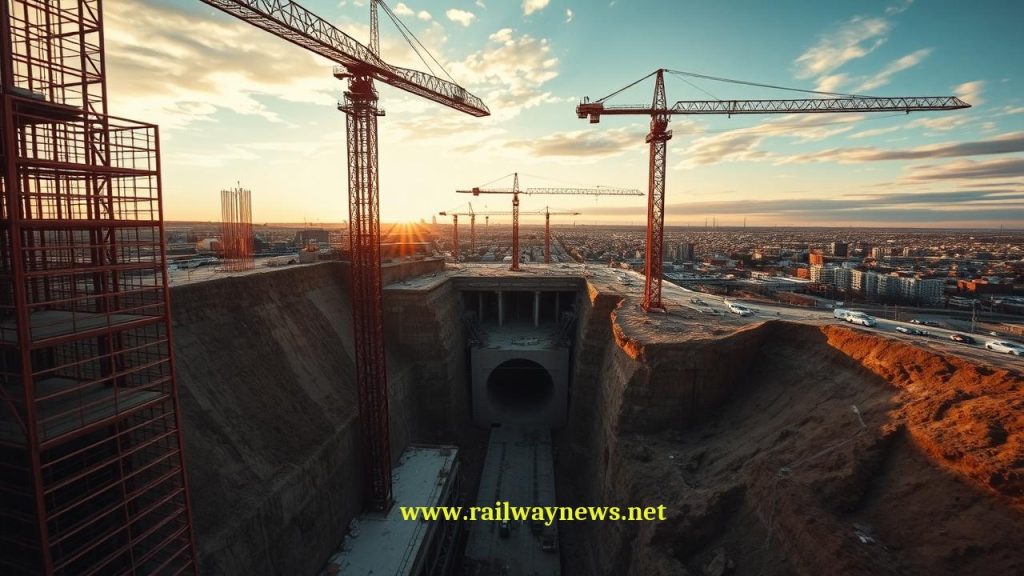
⚡ In Brief: Metrolinx and Infrastructure Ontario issued an RFP for three work packages on the 8-km Yonge North Metro Extension, with 11 prequalified consortia invited to submit proposals by late 2026 for stations, rail infrastructure, and systems.
TORONTO, CANADA – Metrolinx and Infrastructure Ontario launched a Request for Proposals on 14 July 2026 for stations, rail infrastructure, and related systems on the Yonge North Metro Extension, a project adding nearly 8 km to Line 1 of Toronto’s metro network. Eleven prequalified participants, selected during an October 2025 assessment phase, will compete across three distinct work packages. The contract will be delivered through a Progressive Owner-Formed Alliance procurement model, with winning consortia signing alliance agreements at the close of the submission period in late 2026.
What Does This Contract Cover?
The contract splits into three work packages, each with separate bidding consortia. The first package covers underground works, including construction of Steeles, Clark, and Royal Orchard stations, the Finch Transition Box, and ancillary structures such as emergency exit buildings and traction power substations. The second package addresses above-ground construction at Bridge and High Tech stations, the train depot, and the portal structure. The third package encompasses systems design and integration, covering railway infrastructure, technological systems, and depot-related work. During the development phase following selection, Metrolinx and alliance partners will finalize designs, conduct investigations, and execute preliminary work before the contracting authority approves the final proposal on design, costs, and schedule.
Key Contract Data
| Parameter | Value |
|---|---|
| Contract Name | Yonge North Metro Extension – Stations, Rail Infrastructure & Systems |
| Total Value | Not disclosed |
| Parties Involved | Metrolinx, Infrastructure Ontario, 11 prequalified consortia (specific consortia names not publicly released in the RFP notice) |
| Timeline / Completion | Bid submission deadline: late 2026; development phase follows alliance agreement signing; full project completion date not disclosed |
| Country / Corridor | Canada – Greater Toronto Area, York Region (Toronto, Vaughan, Markham, Richmond Hill) |
How Does This Compare to Similar Contracts?
The Yonge North procurement draws 11 prequalified bidders across three packages, a more fragmented structure than the single-package approach seen in other major urban rail tenders. By comparison, the Warsaw high-speed railway project in Poland attracted 19 firms to a single procurement process in October 2025, with Centralny Port Komunikacyjny (CPK) planning to shortlist up to five contractors following assessment (Source: Global Construction Review, 2025). The Progressive Owner-Formed Alliance model used for Yonge North differs from conventional design-bid-build approaches, embedding selected contractors into the design finalization phase alongside the owner—a structure that transfers less risk to bidders upfront but requires longer collaborative development periods before construction approval. The separate Advance Tunnel contract, already procured for this same extension, runs parallel to this stations-and-systems RFP, a decoupling strategy also employed on Toronto’s Eglinton Crosstown and Ontario Line projects to accelerate early works.
Editor’s Analysis
Metrolinx is betting that the Progressive Owner-Formed Alliance model will avoid the claims and cost overruns that plagued earlier Toronto transit builds, but the trade-off is a procurement timeline stretching into late 2026 before a single shovel moves on stations. The three-package split also signals that no single consortium is likely large enough to absorb the full scope, which may limit the pool of truly competitive bidders per package despite 11 prequalified firms. Broader market conditions support the urgency: metro urban rail investment is projected to rise through 2025 and beyond, with Eurostar’s 2026 economic impact report forecasting a jump from £2 billion and 23,000 jobs to £2.8 billion and 40,000 jobs by 2035, contingent on capacity decisions that mirror the supply-chain constraints facing North American transit agencies (Source: Eurostar / Rail Business UK, 2026). If labour and materials inflation outpace the alliance’s cost-setting mechanisms during the development phase, Metrolinx faces a difficult approval decision on the final proposal.
FAQ
Q: Which companies are bidding on the Yonge North Metro Extension contract?
A: Infrastructure Ontario and Metrolinx prequalified 11 participants in October 2025, but the specific names of the consortia competing for each of the three work packages were not included in the RFP notice. The bidders will be publicly confirmed once proposals are submitted by the late-2026 deadline.
Q: When will construction begin on the Yonge North stations and rail systems?
A: A start date has not been officially disclosed. After alliance agreements are signed following the late-2026 bid deadline, a development phase will finalize designs, investigations, and preliminary work. Construction can only begin after Metrolinx approves the final proposal covering design, costs, and schedule.
Q: How does the Yonge North extension connect to the existing transit network?
A: The 8-km extension will link Line 1 from Finch Station to Richmond Hill, adding five new stations plus a 6.3-km tunnel and an elevated section along an existing rail corridor. It will provide direct connections to York Region Transit and GO Transit networks at the northern end, improving cross-agency mobility through Vaughan, Markham, and Richmond Hill.

Railway infrastructure, rolling stock and transport technologies specialist focused on global rail industry developments, high-speed rail systems, signaling technologies and freight transportation. Covering railway investments, public transport modernization, rail operations and international mobility projects across Europe, Asia and North America.
RELATED POSTS

October 8, 2026 1:15 pm
Alstom secured a €1bn contract to build 13 automated trains,...

October 1, 2026 7:09 am
United States regulators confirmed a September 30 deadline for the...

October 4, 2026 5:14 pm
Alstom secured a CA$4.7 billion order from VIA Rail Canada...

October 1, 2026 12:13 am
Illinois approved $1.5 billion annually for the Northern Illinois Transit...

October 6, 2026 2:14 am
Union Pacific launched export rail shipments with Ferromex to deliver...

October 1, 2026 6:10 am
Amtrak approved a System Expansion Committee on July 30 to...