
Metrolink GBP 1.6B: UK Rail Infrastructure Upgrade & Supplier Opportunities
Metrolink gets GBP 1.6B overhaul, boosting UK rail. Infrastructure modernization, accessibility improvements planned.
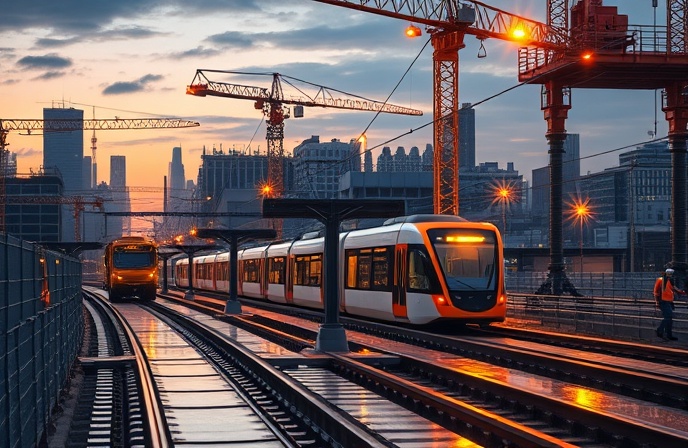
Metrolink Gears Up for GBP 1.6 Billion Infrastructure Overhaul
Transport for Greater Manchester (TfGM) has launched a major procurement process for a contract potentially worth up to GBP 1.6 billion, marking a significant investment in the future of the UK’s largest light rail network, Metrolink. This ambitious project, announced on July 28, 2025, aims to modernize infrastructure across the Greater Manchester region, enhancing Metrolink’s long-term sustainability and accessibility for passengers. The initiative focuses on maintaining, upgrading, and expanding the existing light rail system, while simultaneously improving accessibility at rail stations. This article will explore the scope of the project, the key areas of investment, and the opportunities for suppliers to contribute to the development of a world-class, integrated transport network. The contract will address critical asset renewals, potentially extend the Metrolink network, and enhance the overall travel experience for users as part of the “Bee Network” integrated transport strategy.
Asset Renewal and Infrastructure Modernization
The core of the contract revolves around the detailed renewal of Metrolink’s aging infrastructure. This includes replacing critical components such as track, overhead lines, and power distribution systems. The initiative is designed to support the ongoing asset renewals program and ensure the network continues to meet the demands of modern rail transportation. TfGM’s focus is on maintaining the network’s reliability and safety, while also minimizing disruption to passengers. The investment in track renewals is crucial, addressing wear and tear from daily operations and high passenger volumes. Replacing overhead lines is essential for powering the network’s trams, guaranteeing safe and consistent operation. Upgrading power distribution systems ensures efficient electricity delivery to the network, improving its overall energy efficiency. The new contract, slated to run for up to 12 years from 2027, allows for long-term planning and investment in the essential components that support passenger transport.
Expanding the Scope: Enhancements and Accessibility Improvements
Beyond core infrastructure renewals, the contract encompasses a broader scope of enhancements designed to transform the passenger experience. This includes upgrades to existing Metrolink stops, the construction of new stops and line extensions, and infrastructure for the next generation of vehicles. These initiatives aim to improve access for all, aligned with the Department for Transport’s “Access for All” program. The contract also includes the development of Travel Hubs to support seamless, multimodal journeys across Greater Manchester. Adding new Metrolink stops directly benefits those located on the outer edges of the city, and the increased reach has a ripple effect on business and leisure opportunities in the area. Improving accessibility through upgrades to existing stations will help to accommodate those with mobility issues, including the installation of lifts, ramps, tactile paving, and other enhancements. Travel hubs provide connections to bus, rail, cycle, and pedestrian networks, as well as providing more opportunities to travel. These enhancements reflect TfGM’s commitment to creating an inclusive and user-friendly transport system.
Supplier Engagement and Procurement Process
TfGM has initiated a market engagement phase, inviting interested suppliers to provide feedback on the proposed scope and delivery approach. This phase allows suppliers to contribute to the project’s design, focusing on how best to manage the scale, complexity, and variety of the planned works. The procurement process will consider various delivery models, including partner-led arrangements and the bundling of multiple workstreams into a single contract. The goal is to maximize efficiency and minimize disruption to passengers and communities during construction. Interested parties are invited to review the Preliminary Market Engagement (PME) and Planned Procurement Notice (PPN) documents via the Central Digital Platform and ProContract. Following the initial questionnaire phase, up to 10 suppliers will be selected for one-to-one workshops, where their feedback will be explored in greater depth. This collaborative approach ensures that the final contract structure aligns with industry capacity, best practice, and market expectations.
Strategic Alignment and Economic Growth
This infrastructure investment is part of a broader transformation underway across Greater Manchester, with ongoing investment in transport, housing, and innovation designed to drive inclusive economic growth and improve the quality of life. The Metrolink network is a central component of the “Bee Network,” Greater Manchester’s plan for an integrated, accessible, and sustainable transport system, connecting people to jobs, education, and opportunities. The enhancements to the light rail system and more accessible rail infrastructure directly support the Greater Manchester Strategy and its goal of building a global city-region. TfGM is particularly interested in understanding suppliers’ capacity to deliver large-scale infrastructure within an evolving urban environment. TfGM’s approach demonstrates a commitment to sustainable and collaborative working practices that will help to define the region’s future as a global city.
Conclusion
TfGM’s GBP 1.6 billion infrastructure contract represents a critical investment in the future of Greater Manchester’s public transportation system. The project emphasizes the importance of modernizing and expanding the Metrolink network, ensuring a sustainable and accessible transport solution for the region. The procurement process highlights TfGM’s commitment to collaboration and innovation, encouraging suppliers to propose efficient and effective solutions. This contract provides significant opportunities for suppliers in the rail industry, offering a chance to contribute to a project that will shape the future of transport infrastructure. The success of this initiative will have broader implications for similar urban rail projects across the UK and beyond, demonstrating how integrated transport solutions can support economic growth, enhance connectivity, and improve the quality of life for residents. The careful selection of suppliers and the emphasis on collaboration are crucial for ensuring a smooth project lifecycle, which will ultimately benefit passengers and the community for many years to come.

Railway infrastructure, rolling stock and transport technologies specialist focused on global rail industry developments, high-speed rail systems, signaling technologies and freight transportation. Covering railway investments, public transport modernization, rail operations and international mobility projects across Europe, Asia and North America.
RELATED POSTS
October 1, 2026 10:14 am
HS2 installed a 55-metre steel span in Birmingham, completing phase...
October 1, 2026 11:13 am
Norfolk Southern expanded its 3B Corridor in Alabama in 2025,...
October 1, 2026 8:12 am
Knorr-Bremse expanded its UK rail adhesion trial on Chiltern Railways...

October 1, 2026 11:14 pm
CATS confirmed a six-mile streetcar route in Charlotte to add...
October 1, 2026 1:12 pm
CSX expanded Queensgate Yard in Cincinnati by installing 42 power...

October 1, 2026 9:10 am
Transpennine Route Upgrade launched a £270,000 fund on 28 September,...