
Metro Tunnel Trials: Melbourne Rail Upgrade & Enhanced Passenger Experience
Melbourne’s Metro Tunnel trials, crucial for rail upgrade, begin this weekend. Tests on Sunbury, Cranbourne, and Pakenham lines will assess new systems.
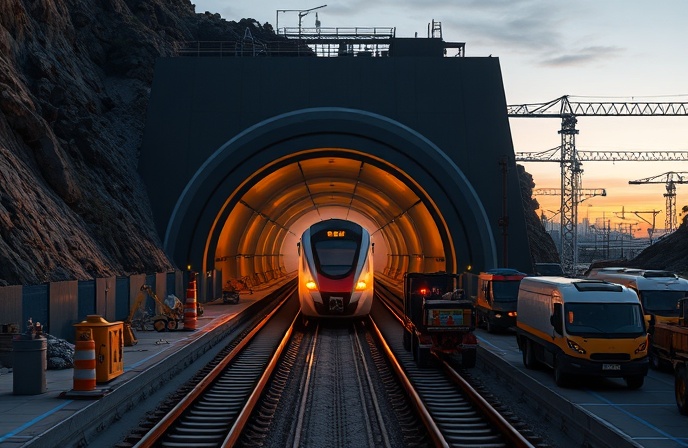
Metro Tunnel Trials Advance Towards Melbourne’s Rail Transformation
Melbourne’s rail network is on the cusp of a major upgrade. Over the weekend of August 16th and 17th, extensive trial runs will be conducted on the new Metro Tunnel, marking a crucial step toward its eventual opening. The trials, spanning the Sunbury, Cranbourne, and Pakenham lines, will utilize an increased service frequency compared to standard weekend timetables. The “what” is the testing of new systems and infrastructure; the “when” is this upcoming weekend; the “where” is the Metro Tunnel itself and connecting lines; the “who” involves Metro Trains, the Rail Network Alliance, and most importantly, the eventual passengers; the “why” is to ensure all components are functioning safely and efficiently; and the “how” is through these full-scale, yet passenger-less, trial runs. This article will explore the intricacies of these trials, the challenges faced, and the anticipated benefits of Melbourne’s forthcoming rail network enhancement.
Simulating Operations: The Trial Structure
The primary goal of the trial is to assess the functionality and integration of the Metro Tunnel’s advanced systems. Trains will traverse the tunnel without passengers, allowing for focused testing of signaling, communication, and operational protocols. Passengers on the Sunbury, Cranbourne, and Pakenham lines will be affected during these trials. Instead of a direct route through the tunnel, passengers will need to disembark at designated stations (Caulfield for Cranbourne/Pakenham lines and Footscray for the Sunbury Line) to transfer to connecting services, highlighting the need for robust communication and clear wayfinding during these times. Announcement systems on trains and at stations will provide updated information to passengers. The Transport Victoria Journey Planner will reflect the altered timetable, however live incident updates will not be available during this trial phase.
Infrastructure Integration: The Rail Network Alliance’s Role
The Metro Tunnel’s remaining rail infrastructure and systems package is being delivered by the Rail Network Alliance (RNA). This consortium, comprising John Holland, CPB Contractors, Alstom, AECOM, the Metro Tunnel Project, and Metro Trains, brings together diverse expertise in design, construction, and operational management. The RNA’s objective is to provide all the components necessary for full operations. As of 2022, the delivery of the systems package has been under the control of the RNA. The June trial run, when trains covered over 3,400 kilometers, showcased the preliminary capabilities of the Metro Tunnel infrastructure, including signaling, power distribution, and control systems.
Operational Testing and Safety: Prioritizing Passenger Well-being
Ensuring passenger safety and operational efficiency is paramount in these trials. The Metro Tunnel project is a large undertaking which will change rail operations in Melbourne significantly, and detailed trials are critical. The process includes thorough checks of every piece of equipment and infrastructure. These trials focus on verifying signaling integrity, emergency response systems, and passenger information displays. It includes the validation of train performance throughout the tunnel’s complex network of tracks, including inclines, curves, and station approaches. Passengers will be reliant on real-time information and effective communication, underscoring the importance of accurate announcements and accessible staff support. The government’s directive to prioritize live announcements and station staff as key information sources illustrates the commitment to transparency and passenger support.
Conclusion
The Metro Tunnel trials represent a significant milestone in Melbourne’s rail network modernization. These exercises highlight the extensive efforts required to integrate complex railway systems safely and effectively. The trial’s structure, with trains traversing the tunnel without passengers, allows for an intensive assessment of operational readiness, focusing on the seamless integration of infrastructure, signaling, and passenger information systems. The detailed testing conducted by the RNA demonstrates the scale of investment and technical expertise required to successfully implement the Metro Tunnel project, which will increase the capacity of the rail system and enhance the passenger experience. While disruptions are expected during these trial weekends, they pave the way for a vastly improved service. The successful completion of these trials will build confidence and allow the project to move toward opening the Metro Tunnel later this year. The outcome will reshape how commuters traverse the city.

Railway infrastructure, rolling stock and transport technologies specialist focused on global rail industry developments, high-speed rail systems, signaling technologies and freight transportation. Covering railway investments, public transport modernization, rail operations and international mobility projects across Europe, Asia and North America.
RELATED POSTS

October 1, 2026 7:09 am
United States regulators confirmed a September 30 deadline for the...

October 8, 2026 1:15 pm
Alstom secured a €1bn contract to build 13 automated trains,...

October 4, 2026 5:14 pm
Alstom secured a CA$4.7 billion order from VIA Rail Canada...

October 1, 2026 12:13 am
Illinois approved $1.5 billion annually for the Northern Illinois Transit...

October 6, 2026 2:14 am
Union Pacific launched export rail shipments with Ferromex to deliver...

October 1, 2026 6:10 am
Amtrak approved a System Expansion Committee on July 30 to...