
LTG Infra Cuts €64M Rail Baltica Neris Bridge Contract
LTG Infra terminated a €64M contract with Rizzani de Eccher for the Neris rail bridge project in Lithuania citing contract breaches and unpaid subcontractors.
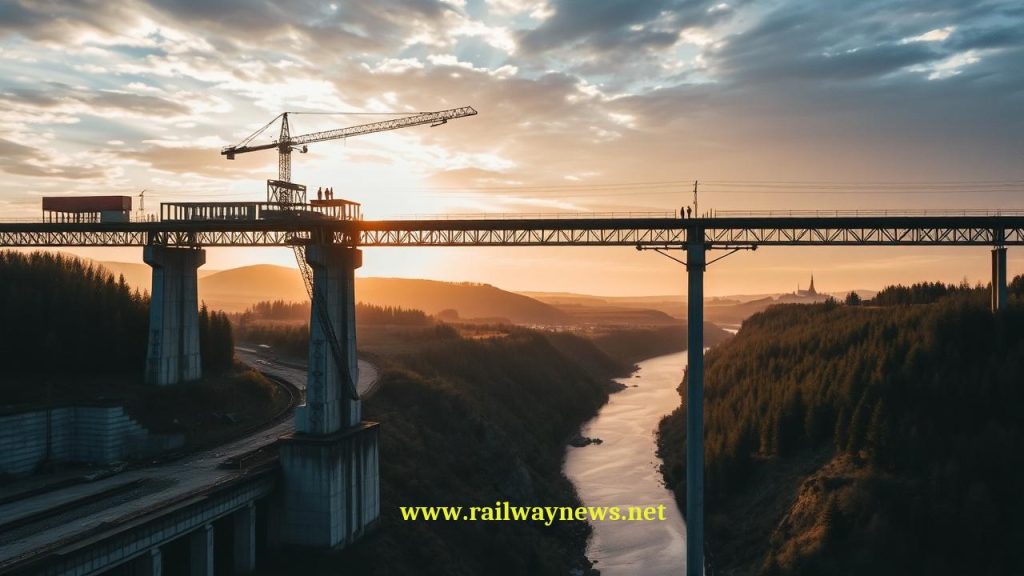
⚡ In Brief: LTG Infra terminated a EUR 64 million contract with Rizzani de Eccher for the 1.5 km Neris River railway bridge on the Rail Baltica corridor, citing major contractual violations and non-payment of subcontractors.
VILNIUS, Lithuania – LTG Infra terminated its EUR 64 million contract with Italian general contractor Rizzani de Eccher for construction of the Neris River railway bridge, a component of the Rail Baltica project. The decision, made after a progress and financial assessment, halts work that began in July 2022 on a structure designed to carry a double-track European-gauge line 40 meters above the river valley.
What Does This Contract Cover?
The terminated contract covered design and build of a 1.5 km railway bridge near the Neris River as part of the 114-km Kaunas–Panevėžys section, where first European-gauge tracks have already been laid. The bridge spans nearly 14 meters in width and rises 40 meters above the river, forming a critical link for the wider Rail Baltica main line targeted for completion by end-2030.
Key Contract Data
| Parameter | Value |
|---|---|
| Contract Name | Neris River Bridge Construction (Rail Baltica) |
| Total Value | EUR 64 million |
| Parties Involved | LTG Infra (client), Rizzani de Eccher (general contractor) |
| Timeline / Completion | Work started July 2022; terminated June 2026; Rail Baltica main line target end-2030 |
| Country / Corridor | Lithuania, North Sea–Baltic TEN-T Core Network Corridor |
| Status | Terminated; re-procurement to follow |
How Does This Compare to Similar Contracts?
Contract terminations on EU-funded TEN-T rail projects are rare but carry cascading schedule consequences. Re-procurement on comparable Baltic infrastructure contracts has historically added 12–18 months to completion timelines, according to European Court of Auditors performance audits of TEN-T implementation (Source: ECA, 2020). No directly comparable termination of a single bridge contract on the Rail Baltica corridor was available at publication time, but the broader railway investment environment in 2025–2026 is tilting toward premium assets and selective contractor participation, as flagged in PwC’s midyear outlook on transportation dealmaking (Source: PwC, 2025). This could narrow the pool of qualified bidders for the re-tender and shift pricing power toward contractors.
Editor’s Analysis
Terminating a live contract mid-construction signals that LTG Infra and Lithuania’s transport ministry are prioritising the 2030 deadline over the sunk costs of a restart. The enforcement posture aligns with the region’s security-driven urgency around Rail Baltica, but it also burdens LTG Infra with subcontractor litigation risk and potential bonding difficulties for the replacement contract. If re-procurement overlaps with the UK’s £1.2 billion overhead line programme drawing on the same European contractor pool—where five firms secured major civils work—capacity constraints could raise bid prices. The undisclosed value of unpaid subcontractor liabilities remains a key variable that will shape legal exposure and market confidence.
FAQ
Q: Why exactly did LTG Infra terminate the contract with Rizzani de Eccher?
A: Major contractual violations, including failure to meet progress milestones and non-payment of subcontractors. A remediation plan proposed by the contractor was reviewed but rejected.
Q: Will LTG Infra compensate subcontractors who were not paid by Rizzani de Eccher?
A: No. LTG Infra confirmed all payments for completed work were made to the contractor. Unpaid subcontractors must pursue funds through legal action.
Q: How long might the re-procurement delay the Neris Bridge and the overall Rail Baltica line?
A: The main line deadline remains end-2030, but typical re-tendering for such works could extend the bridge component by 12–18 months, potentially compressing subsequent commissioning phases.

Railway infrastructure, rolling stock and transport technologies specialist focused on global rail industry developments, high-speed rail systems, signaling technologies and freight transportation. Covering railway investments, public transport modernization, rail operations and international mobility projects across Europe, Asia and North America.
RELATED POSTS

October 1, 2026 7:09 am
United States regulators confirmed a September 30 deadline for the...

October 1, 2026 12:13 am
Illinois approved $1.5 billion annually for the Northern Illinois Transit...

October 4, 2026 5:14 pm
Alstom secured a CA$4.7 billion order from VIA Rail Canada...

October 1, 2026 6:10 am
Amtrak approved a System Expansion Committee on July 30 to...

October 1, 2026 3:12 am
Greenbrier confirmed Brian Comstock as new president and CEO effective...

October 6, 2026 2:14 am
Union Pacific launched export rail shipments with Ferromex to deliver...