
London’s £8.1bn Transport Upgrade: Modernization & Growth
Transport for London (TfL) invests £8.1 billion in a comprehensive plan that includes replacing aging rolling stock and modernizing signaling systems, aiming to revitalize London’s public transport infrastructure while addressing the city’s economic recovery and sustainability.
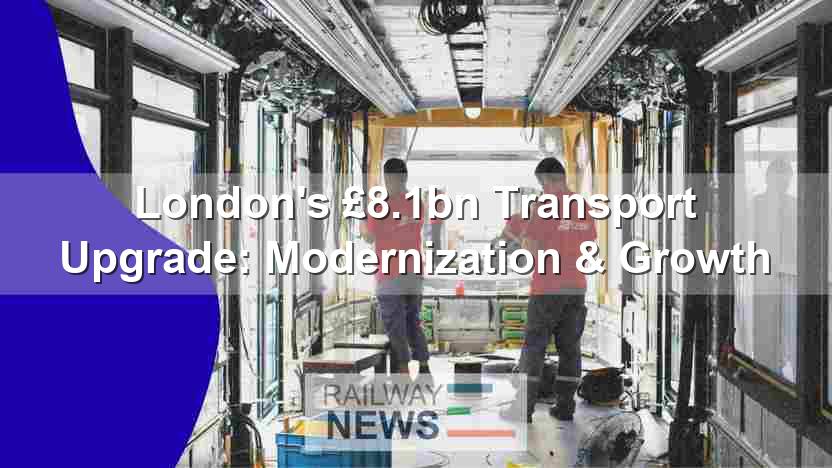
Transport for London (TfL) faces the monumental task of revitalizing London’s aging public transport infrastructure. This article explores TfL’s ambitious £8.1 billion investment plan, focusing on the crucial role of rolling stock and signaling upgrades in achieving operational efficiency and economic recovery. The plan aims to not only address the immediate needs of a post-pandemic London but also to lay the foundation for a sustainable and modern public transport system for years to come. This investment will be crucial in improving the passenger experience, increasing network capacity, and supporting London’s overall economic growth. The modernization projects will address the challenges posed by aging infrastructure, outdated signaling systems, and the increasing demand for public transport in a rapidly growing city. The scale of this investment underscores the critical importance of London’s transport network to the city’s economic vitality and the well-being of its citizens. We will examine the specific projects, their technological implications, and their projected impact on both the city and the wider UK economy.
Rolling Stock Replacement and Fleet Modernization
A significant portion of the £8.1 billion investment is dedicated to replacing outdated rolling stock. The aging Piccadilly line fleet, a critical artery of the London Underground (LU), is slated for complete replacement. This involves not only acquiring new trains but also managing the complex logistical challenges of phasing out the old fleet and integrating the new one seamlessly into the existing network. Similarly, the Docklands Light Railway (DLR) will receive a new fleet, enhancing passenger comfort and operational efficiency. The selection process for these new trains will likely involve rigorous testing and evaluation, focusing on factors such as passenger capacity, energy efficiency, and accessibility features. The decision to replace these fleets is not merely about aesthetics; it’s about enhancing reliability, improving passenger experience through increased comfort and accessibility, and reducing maintenance costs in the long run. The successful implementation of this project will significantly enhance the overall capacity and reliability of the London Underground network.
Signaling System Upgrades and Network Optimization
TfL’s investment extends beyond rolling stock replacement; it also encompasses crucial upgrades to signaling systems. The recent deployment of new signaling on the Circle line is a prime example of this modernization effort. This project represents a substantial investment in modern Automatic Train Protection (ATP) and signaling technologies, improving safety, enhancing operational efficiency, and increasing overall network capacity. The ongoing Four Lines Modernisation programme, encompassing several LU lines, further underlines TfL’s commitment to enhancing signaling infrastructure. Modern signaling systems improve train scheduling, reduce delays, and enhance safety by minimizing the risk of human error. This is critical for a network as complex and high-volume as London’s Underground. Moreover, improved signaling technologies facilitate the introduction of new operational strategies, such as increased train frequencies and optimized scheduling, that would be impossible with outdated systems.
Infrastructure Improvements: Bank Station and Beyond
The £8.1 billion investment also targets essential infrastructure improvements, with the modernization and expansion of Bank station serving as a prominent example. This project is particularly critical, given the high passenger volume handled by this central London interchange. The expansion and upgrade involve not just increasing platform capacity and improving passenger flow but also integrating improved accessibility features to enhance the overall passenger experience. Beyond Bank Station, the investment strategy likely encompasses other crucial infrastructural upgrades throughout the network, such as track improvements, station renovations, and enhancements to power supply systems. These unseen aspects of the investment are equally critical to the long-term efficiency and reliability of the entire transport network.
Economic Impacts and Job Creation
TfL’s investment is not merely about upgrading infrastructure; it’s about stimulating economic growth and job creation. The procurement of new rolling stock and the implementation of signaling upgrades will generate significant demand for skilled labor across the UK. This investment will support manufacturers, engineers, and technicians across the country, boosting employment in various sectors and contributing to a wider economic recovery. The improved efficiency of the transport network will also have a positive knock-on effect on businesses, enabling better connectivity, facilitating trade, and making London a more attractive destination for investment. The ripple effect of this investment extends beyond the immediate construction and implementation phases, creating long-term sustainable employment opportunities.
Conclusions
TfL’s £8.1 billion investment represents a significant commitment to modernizing London’s transport infrastructure. The plan addresses critical needs, including the replacement of aging rolling stock on the Piccadilly line and DLR, implementation of advanced signaling systems across multiple lines, and crucial infrastructure improvements such as the Bank station upgrade. These improvements are not isolated projects; they are interconnected elements of a detailed strategy to enhance operational efficiency, passenger experience, and network capacity. The success of this investment hinges not only on the successful procurement and implementation of new technology but also on effective project management, ensuring minimal disruption to the city’s daily operations. The long-term economic benefits of this investment are significant, boosting employment across the UK and enhancing London’s position as a global hub. This investment is crucial for London’s economic recovery from the pandemic and for the sustainable growth of the city’s public transport network for many years to come. The successful implementation of this detailed strategy is vital to ensuring a seamless, efficient, and sustainable future for London’s vital public transport system, fostering economic prosperity and improving the quality of life for all Londoners.

Railway infrastructure, rolling stock and transport technologies specialist focused on global rail industry developments, high-speed rail systems, signaling technologies and freight transportation. Covering railway investments, public transport modernization, rail operations and international mobility projects across Europe, Asia and North America.
RELATED POSTS

October 8, 2026 1:15 pm
Alstom secured a €1bn contract to build 13 automated trains,...

October 1, 2026 7:09 am
United States regulators confirmed a September 30 deadline for the...

October 8, 2026 12:18 pm
Siemens Mobility signed an agreement with VinSpeed to supply 350...

October 4, 2026 5:14 pm
Alstom secured a CA$4.7 billion order from VIA Rail Canada...

October 5, 2026 6:12 pm
AECOM and Jacobs secured a contract in September 2026 to...

October 4, 2026 11:08 pm
Sound Transit confirmed the September 30 opening of Seattle Pinehurst...